A Flavor-Filled Tour of Ethiopian and Somali Food in The Junction
The Junction has become one of Toronto’s most interesting places to eat when you want a meal with history, hospitality, and plenty of spice. Along Dundas Street West and the surrounding side streets, newer Ethiopian and Somali restaurants are adding East African flavours to a neighborhood already known for independent cafés, bakeries, and globally inspired dining.
This food tour is best approached with time to linger. Ethiopian cooking invites sharing around a communal platter, while Somali cuisine brings fragrant rice, grilled meats, sambusas, and tea to the table. Portions are generous, service is often personal, and many dishes reward curious diners who are willing to move beyond familiar takeout orders.
The Junction’s restaurant scene changes quickly, so check the latest hours and menus before setting out. For more neighborhood coverage, event listings, and local culture, the Toronto food guide is a useful companion to a weekend spent exploring the west end.
Begin Along Dundas Street West
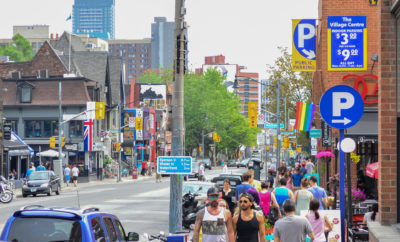
Start near the main stretch of Dundas Street West and plan to walk between stops rather than treating the meal as a single reservation. The route takes you through a lively mix of vintage stores, bars, cafés, and small food businesses, making it easy to build in time for browsing between courses.
The newer Ethiopian and Somali spots in and around the Junction are often casual, with counter service or relaxed dining rooms. That atmosphere suits the food. You can order a few items for the table, ask about unfamiliar dishes, and return to a favourite restaurant on another visit without the formality of a long tasting menu.
Discover Ethiopian Comfort Food
An Ethiopian meal usually centres on injera, the soft, slightly tangy flatbread made from teff flour. It serves as plate, utensil, and accompaniment, allowing diners to scoop up stews, vegetables, and seasoned meats with their hands. The texture may take a moment to appreciate, but it quickly becomes part of the pleasure.
Look for doro wat, a deep red chicken stew with berbere spice and egg, as well as misir wat, a warming lentil dish with a rich chilli flavour. Vegetarian combinations are especially rewarding, with collard greens, cabbage, potatoes, split peas, and seasoned lentils bringing contrast to the platter. Tibs, made with sautéed beef or lamb, offer a more savoury and smoky option.
Taste Somali Rice, Sambusas, and Grilled Meat
Somali cooking draws on East African, Arab, and Indian Ocean influences. Rice is often the anchor, coloured and perfumed with spices before being served beside chicken, goat, beef, or fish. A plate of basmati rice with tender meat and a fresh salad makes an ideal shared lunch, particularly after a walk through the neighborhood.
Sambusas are a natural first order: crisp pastry triangles filled with spiced beef, chicken, or vegetables. Somali-style tea, sometimes prepared with milk, cardamom, cinnamon, and cloves, gives the meal a fragrant finish. For a heartier order, try suqaar, small pieces of sautéed meat, or a grilled dish paired with rice and a bright green chutney.
| Dish | Cuisine | What To Expect | Best For |
|---|---|---|---|
| Doro wat | Ethiopian | Spiced chicken stew with egg | First-time visitors |
| Misir wat | Ethiopian | Berbere-seasoned red lentils | Vegetarian diners |
| Injera platter | Ethiopian | Shared selection of stews and vegetables | Groups |
| Sambusa | Somali | Crisp pastry filled with meat or vegetables | A quick snack |
| Suqaar | Somali | Sautéed cubes of seasoned meat | A filling main |
| Spiced rice plate | Somali | Fragrant rice with meat and salad | A relaxed lunch |
Make Room for Vegetarian Plates
Vegetarian diners will find plenty to enjoy on both sides of the food tour. Ethiopian restaurants are particularly strong on plant-based combinations, especially during fasting periods when menus emphasize lentils, greens, potatoes, cabbage, and other vegetables prepared without meat or dairy.
Somali restaurants also offer satisfying vegetable sides, beans, rice, and sambusas. Ask whether a dish contains ghee, meat stock, or other animal ingredients if that matters for your meal. A little communication can turn a quick visit into a more tailored dining experience, and staff are usually happy to explain the preparation.
Pair the Meal With Toronto’s Neighborhood Energy
The Junction works well as a daytime or early-evening food destination. Begin with coffee or tea, visit one restaurant for small plates, then walk west or east before settling in for a larger shared meal. Public transit makes the area accessible, and the neighborhood’s walkable streets help create a sense of occasion without requiring a long trip across the city.
Keep an eye out for seasonal events, pop-ups, and community gatherings. East African restaurants often connect food with music, family celebrations, and local networks, so the most memorable visit may include more than what appears on the menu. The room, the welcome, and the pace of the meal are part of the experience.
Plan a Better East African Food Crawl
A little planning will help you sample more dishes while respecting the generous portions served at many restaurants.
- Visit with at least one other person so you can share platters and compare flavours.
- Order one familiar dish alongside something new, such as goat, lentils, or a vegetable combination.
- Bring cash or confirm payment options before ordering, since smaller restaurants may have different policies.
- Ask about spice levels, allergens, halal preparation, and vegetarian ingredients.
- Leave time between stops for a walk, coffee, or dessert rather than rushing through every course.
A food tour of the Junction’s Ethiopian and Somali restaurants offers a fresh way to experience one of Toronto’s most welcoming neighborhoods. Bring an appetite, take your time with the menu, and support the independent kitchens helping shape the Junction’s next chapter.