A Guide To Toronto’s Community-Run Pop-Up Markets
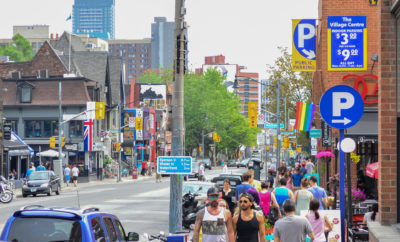
Toronto’s community-run pop-up markets turn parks, laneways, schoolyards, and neighbourhood streets into temporary gathering places. They bring together local growers, makers, vintage sellers, food entrepreneurs, artists, and residents looking for something beyond a standard shopping trip.
These markets are often seasonal, volunteer-supported, or organized by small business associations and resident groups. Their lineups can change from week to week, which makes each visit feel connected to the neighbourhood hosting it.
For a broader look at Toronto’s local character, 416 Mag covers the city’s restaurants, events, communities, and independent destinations. Its neighbourhood coverage is a useful companion when planning a market day around food, shopping, and culture.
What Makes These Markets Special
A community market is shaped by the people who organize and attend it. Vendors may live nearby, source their products from Ontario, or use the event to test a new food, fashion, or craft business. The atmosphere tends to be informal, social, and more personal than a conventional retail setting.
Pop-ups also give neighbourhood organizations a way to animate public space. A parking lot can become a food court, a church courtyard can host artisans, and a quiet stretch near a park can support live music and local commerce. Purchases often go directly to small operators rather than large chains.
Where To Find Them Across Toronto
Market activity changes with the season. Spring and summer bring farmers’ markets, outdoor craft fairs, and community festivals, while autumn is ideal for harvest events, vintage sales, and cultural gatherings. Winter pop-ups often move indoors to community centres, studios, cafés, and shared retail spaces.
Look beyond the downtown core. The Beaches, Leslieville, Parkdale, the Junction, Roncesvalles, Kensington Market, Scarborough, North York, and Etobicoke all host rotating events or recurring neighbourhood markets. When planning a full outing, the Beaches guide offers ideas for pairing a market visit with cafés, boutiques, and a walk by the water.
Choosing The Right Market Experience
Different markets serve different purposes, so checking the format before heading out can save time. A produce-focused event may be best for a Saturday grocery run, while a makers’ market is better for gifts, home décor, and one-of-a-kind clothing. Food halls and cultural bazaars tend to be ideal for sampling several dishes in one visit.
| Market Style | What You’ll Usually Find | Best For | Useful Timing |
|---|---|---|---|
| Farmers’ market | Produce, preserves, baked goods, flowers | Weekly groceries and seasonal food | Morning |
| Makers’ market | Ceramics, art, candles, jewellery | Gifts and independent design | Late morning or afternoon |
| Vintage pop-up | Clothing, records, furniture, collectibles | One-off finds | Arrive early |
| Cultural bazaar | Prepared food, textiles, crafts, community groups | Food discovery and local connection | Check event schedule |
| Neighbourhood flea | Mixed resale goods and small vendors | Browsing and bargain hunting | Flexible, weather-dependent |
Many organizers publish vendor lists shortly before an event. Use those announcements to identify dietary options, payment methods, accessibility details, and whether the market is indoors or outdoors. A small amount of planning is especially helpful when the event has limited hours or a popular vendor lineup.
How To Shop Like A Local
Bring a reusable bag, a water bottle, and a payment method that works for small businesses. Some vendors accept cards and mobile payments, but cash can still be useful at informal flea markets or community fundraisers. If you are buying produce, leave room in your bag for heavier items such as preserves, bread, or root vegetables.
Arriving early usually means better access to limited-run products and shorter lines. Visiting later can create a livelier atmosphere and may lead to end-of-day deals, though popular goods may already be sold. Treat each market as a browsing experience rather than a tightly scheduled shopping stop.
Supporting The People Behind The Pop-Up
The best way to support a community market is to spend with several vendors instead of treating the event as free entertainment. Buy a snack, pick up a small handmade item, or contribute to a community fundraiser when one is available. Sharing an organizer’s event post can also help independent sellers reach new customers.
Respect the rules of the space. Keep aisles clear, ask before photographing products or people, and be patient when a vendor is working alone. These small actions matter because many markets depend on volunteer labour and limited budgets.
Planning A Neighbourhood Market Day
A market visit can become the anchor for a wider Toronto itinerary. Add a coffee stop, explore nearby independent shops, visit a park, or look for a gallery or community event within walking distance. This approach helps distribute spending across the neighbourhood and gives the outing a stronger local rhythm.
Before leaving home, check the organizer’s latest announcement for cancellations, venue changes, weather policies, and updated hours. Pop-ups are flexible by nature, and a schedule posted months earlier may not reflect the current event.
Smart Ways To Make The Most Of Your Visit
- Check the official event page on the morning of your visit.
- Bring reusable bags, water, and a small amount of cash.
- Arrive early for limited products and popular food vendors.
- Ask vendors about ingredients, sourcing, and care instructions.
- Pair the market with nearby cafés, parks, shops, or cultural attractions.
Community-run markets reveal Toronto through its residents: what they grow, cook, design, collect, and share. Save a few upcoming dates, choose a neighbourhood, and make your next weekend outing a direct investment in the people who give the city its character.