A Guide to Toronto’s Free Outdoor Concerts in Public Squares
Toronto’s summer calendar makes room for music in some of its most recognisable civic spaces. Free outdoor concerts in public squares can turn an ordinary evening into a city-wide gathering, with local bands, DJs, choirs and touring performers sharing stages beneath office towers and apartment balconies.
For Australian visitors, the appeal is easy to understand. The atmosphere has some of the openness of a Brisbane riverfront event, the multicultural energy of a Melbourne street festival and the after-work convenience of a Sydney city performance. Toronto’s public squares also offer a useful way to see the city without committing to expensive tickets or a long journey across the suburbs.
Free Music In A Big-City Setting
Toronto’s square concerts are shaped by the city’s varied neighbourhoods. A lunchtime set may attract office workers carrying takeaway coffee, while an evening performance brings families, students, older residents and visitors together on the same paving stones. The crowd is often as interesting as the programme.
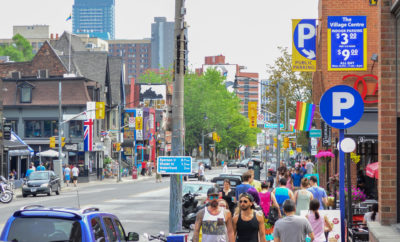
Nathan Phillips Square is the best-known setting, with Toronto City Hall creating a dramatic backdrop. Its broad open space suits larger civic events and makes it relatively easy to arrive by public transport. Yonge-Dundas Square, increasingly associated with the Sankofa Square name, has a busier commercial feel, with bright signs, shopping streets and a constant flow of pedestrians nearby.
A useful place to track local culture beyond concert listings is Toronto’s city guide, which covers neighbourhood happenings, food, fashion and entertainment. It can help visitors build a full day around an evening performance rather than treating the music as an isolated stop.
Squares Worth Watching
Nathan Phillips Square usually belongs near the top of any visitor’s list because it is central, spacious and visually memorable. The open layout gives audiences a clear view of the stage, while the surrounding restaurants, cafés and civic buildings provide options before or after the show. Events can vary from pop and jazz to community celebrations and cultural showcases.
Mel Lastman Square in North York offers a different experience. It feels more neighbourhood-oriented and may appeal to travellers who want to explore beyond downtown. The square is close to North York Centre Station, making it practical for an evening trip without needing a car.
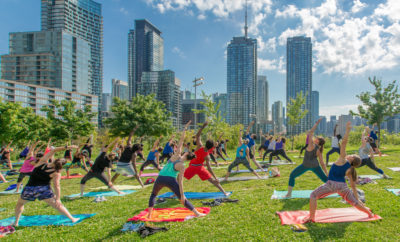
Harbourfront and nearby waterfront spaces sometimes host free performances in settings that feel more like plazas or promenades than formal squares. The lake breeze can make these events noticeably cooler than inland streets, so a light layer is useful even during a warm Canadian summer evening. Always check the organiser’s current details, as stages, times and weather arrangements can change.
Reading The Seasonal Rhythm
The busiest period is generally late spring through early autumn, when Toronto can make full use of outdoor stages. June and July bring long daylight hours, while August often delivers a relaxed festival mood. September concerts can be especially pleasant, with cooler temperatures and fewer intense midday conditions.
This schedule may feel familiar to Australians, although the seasons are reversed. A Melbourne visitor accustomed to planning around sudden weather changes should still pack for flexibility, while someone from Sydney or Brisbane may find Toronto’s summer evenings cooler than expected. Unlike a typical Australian outdoor concert, darkness arrives later in June, so an 8 pm show may begin in lingering daylight.
Check the start time, access arrangements and cancellation policy before leaving. Rain can arrive quickly, and some events have limited shelter. Public transport is usually the sensible choice: Toronto’s subway, streetcars and buses connect many central venues, while rideshare prices can rise sharply after a popular performance.
A Simple Concert-Day Checklist
The right preparation keeps a free event comfortable without making the outing feel over-planned. Toronto’s paved squares can become warm in direct sun, while standing for several hours may be harder than expected. A small backpack is generally more useful than a large picnic setup.
- Bring a reusable water bottle and refill it before settling into the crowd.
- Pack sunscreen, sunglasses and a light waterproof layer.
- Wear supportive shoes for standing and walking between venues.
- Carry a portable charger, especially when using transit apps and digital tickets.
- Check whether chairs, blankets, food or large bags are permitted.
- Keep a small amount of Canadian cash for independent vendors, while expecting card payments at most established stalls.
Australian visitors should also remember that prices are listed in Canadian dollars and sales tax is often added at the till. A quick AUD conversion helps avoid surprises, particularly when buying snacks, drinks or merchandise. Unlike some Australian outdoor gatherings, alcohol rules can be strict in civic spaces, so do not assume that a BYO picnic is acceptable.
Food, Neighbours And The Full Evening
A concert in a public square works well as part of a broader city outing. Start with a meal in Chinatown, the Entertainment District, Kensington Market or North York, then walk to the performance with time to find a comfortable position. Toronto’s food scene makes this easy, with everything from Jamaican patties and Korean barbecue to bakeries serving excellent coffee.
For a slower daytime plan, browse weekend brunch spots before heading towards an evening show. The city’s brunch culture will feel familiar to anyone who enjoys a Melbourne flat white and a long café meal, though Toronto portions and tipping customs can differ from Australian expectations.
Leave room for local vendors and community stalls around the venue. These may feature artists, charities, small businesses or cultural organisations. Buying a snack or browsing a stall helps keep the event connected to the neighbourhood rather than turning the square into a temporary stage with no local character.
A Welcoming Night Out
Free concerts are often designed for broad public access, but conditions differ from one event to the next. Look for information about accessible entrances, seating areas, washrooms and quiet spaces before arriving. Nathan Phillips Square and other central venues can be busy, so meeting a companion at a clearly marked landmark is easier than relying on a precise spot in the crowd.
Be considerate when choosing where to stand, especially if children, wheelchair users or older audience members are nearby. Keep walkways open, dispose of rubbish properly and follow staff directions if the square becomes crowded. Applause, dancing and conversation are welcome, but a little awareness helps everyone enjoy the performance.
The strongest memories may come from the setting as much as the soundtrack: a brass line echoing between towers, a singer performing as commuters pass, or a warm crowd gathering under Toronto’s late sunset. Treat the city square as shared neighbourhood space, arrive prepared for changing weather and remember that the best free concerts are experienced as part of the city around them.