A guide to Toronto’s indoor flea markets and antique fairs
Toronto’s vintage scene rewards curiosity. Behind the city’s busy streets are compact dealer malls, weekend markets, church-hall sales, and antique fairs filled with furniture, records, jewellery, art, books, sports memorabilia, and objects with stories attached.
Shopping these spaces is different from browsing a regular store. Stock changes constantly, prices may be negotiable, and the best discoveries often appear in an unassuming booth. For neighbourhood ideas, events, and local culture, 416 Mag is a useful companion to a day spent exploring the city.
A successful visit depends on timing, patience, and knowing what kind of experience you want. Some shoppers look for a specific mid-century lamp, while others simply want an afternoon of browsing followed by coffee or lunch.
What to expect from Toronto’s vintage markets
Indoor flea markets tend to offer a broad mix of affordable second-hand goods. You might find vintage clothing beside old comic books, framed prints, kitchenware, toys, and household pieces. These venues are ideal for treasure hunters who enjoy sorting through varied stock rather than following a carefully curated collection.
Antique fairs are usually more specialised. Dealers may bring formal furniture, estate jewellery, ceramics, rare books, advertising signs, Indigenous art, or collectible design. Prices can range from a few dollars to several thousand, so ask questions before assuming an item is either a bargain or an investment.
Where to start your search
The St. Lawrence area is a natural starting point for market-minded visitors. Its historic food market and surrounding streets provide a lively setting for browsing, while occasional antique and collectible events nearby can turn the visit into a full day of urban exploring. Check event calendars before travelling, since fair dates and vendor lineups change.
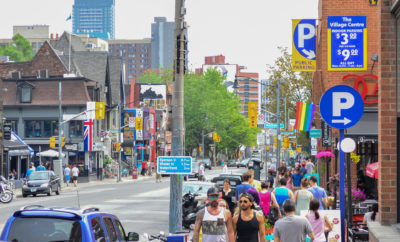
Kensington Market is another strong choice for vintage clothing, used goods, independent shops, and a relaxed atmosphere. It is less about one large indoor hall and more about moving between small retailers and stalls. The Junction, Leslieville, and other west and east-end neighbourhoods also host rotating vintage pop-ups, community sales, and flea-style events.
For a more concentrated antiques experience, look for established dealer galleries and multi-vendor showrooms. These spaces are helpful when you want furniture, decorative objects, or collectible pieces without waiting for a once-a-year fair. Their opening hours can vary, so verify details through the venue or dealer before setting out.
How to shop like a seasoned browser
Arrive early for the widest selection, especially when a fair attracts specialist dealers. Early visitors have more time to inspect fragile objects and ask about provenance. Arriving later can work well for casual browsing, and some sellers may be more flexible near closing, though there is no guarantee.
Carry cash as well as a payment card, a reusable shopping bag, and measurements for the space where an item will go. A small tape measure is particularly useful for furniture and framed art. For larger purchases, ask about delivery, pickup windows, and whether an item can be held while you arrange transportation.
Look closely at condition. Check drawers, chair joints, fabric seams, electronics, signatures, and the backs of framed pieces. Wear may be part of an object’s charm, but repairs, reproductions, and missing parts should influence the price. When buying jewellery, art, or high-value collectibles, request documentation and compare similar pieces before committing.
Choosing the right market experience
Different venues suit different budgets and collecting interests. The comparison below can help you decide where to spend a Saturday afternoon.
| Market style | Best for | Typical finds | Shopping approach |
|---|---|---|---|
| Indoor flea market | Broad browsing and low-cost discoveries | Clothing, records, toys, books, housewares | Search patiently and compare prices |
| Antique dealer gallery | Furniture and carefully selected objects | Ceramics, art, jewellery, design pieces | Ask about age, condition, and provenance |
| Seasonal antique fair | Specialist collecting and larger selection | Vintage décor, advertising, estate goods | Arrive early and bring measurements |
| Community sale | Affordable local finds | Kitchenware, clothing, children’s items | Carry cash and expect limited stock |
| Vintage pop-up | Fashion and contemporary nostalgia | Denim, accessories, home décor | Follow vendor updates for dates and locations |
The best option may change according to the item you want. Someone furnishing a condo might prefer a dealer gallery, while a record collector could spend hours at a flea market. Visitors who want atmosphere, food, and neighbourhood character may enjoy combining a smaller sale with nearby cafés and shops.
Making a day of the hunt
A market visit becomes more enjoyable when it is treated as a neighbourhood outing rather than a single transaction. Build in time for coffee, a casual meal, or a walk through nearby independent businesses. Toronto’s dense streets make it easy to pair vintage shopping with galleries, bakeries, bookstores, and public spaces.
Food is part of the city-guide experience, particularly when browsing takes longer than expected. If you want to extend the day with a playful dessert stop, this guide to unique ice cream flavours offers ideas beyond standard chocolate and vanilla.
Remember that many fairs operate on specific weekends rather than every week. Follow venue announcements, vendor pages, and local event listings for opening times, admission fees, parking information, and changes caused by weather or building availability.
A practical checklist before you go
A little preparation helps you focus on the objects rather than the logistics. Before leaving home, consider:
- Measuring available space for furniture, mirrors, and framed artwork
- Bringing cash, a card, reusable bags, and protective wrapping
- Wearing comfortable shoes for prolonged browsing
- Checking opening hours, admission fees, and vendor updates
- Setting a spending limit while leaving room for an unexpected find
Keep photographs of items you already own if you are searching for a matching lamp, chair, frame, or dish. For clothing, wear simple layers so trying on vintage pieces is easier. If you are shopping for records or books, bring a list of titles and artists, but leave room for discoveries outside your original plan.
The most memorable purchase may be inexpensive: a hand-painted sign, an old Toronto postcard, a distinctive glass, or a jacket with the right fit. Take time to learn the story behind an object, respect dealer expertise, and make an offer politely when negotiation is appropriate.
Set aside a weekend, choose a neighbourhood, and start with one market or fair. Browse slowly, speak with vendors, and let the city’s second-hand treasures lead you somewhere unexpected.