A Local’s Walking Tour of Corktown’s Historic Streets
Corktown is one of Toronto’s most rewarding neighborhoods to explore on foot. Its streets bring together early workers’ cottages, landmark churches, converted industrial buildings, quiet residential lanes, and the open green space of Corktown Common.
The area sits just east of downtown, but its atmosphere changes quickly once you leave the busy traffic of Parliament Street. Brick façades, narrow sidewalks, mature trees, and glimpses of the Don River create a walking route that feels layered rather than polished into a single identity.
Wear comfortable shoes and allow two to three hours, especially if you plan to stop for coffee, photographs, or a meal. For more ideas on local places and city happenings, browse this Toronto city guide before setting out.
Begin Along King Street East
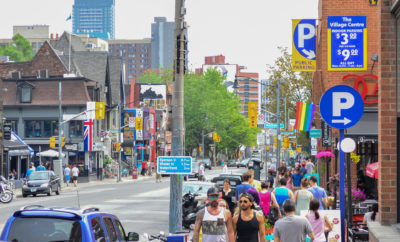
Start near the intersection of King Street East and Parliament Street, where Corktown’s commercial edge meets a mix of historic buildings and newer residences. King Street is busy, yet its older storefronts and brickwork reward a slower pace. Look above the modern signs for arched windows, stone details, and repaired façades that reveal the street’s earlier character.
Walk east along King Street and pay attention to how quickly the streetscape becomes quieter. Small businesses, restaurants, and pubs occupy buildings that once served practical neighborhood functions. This is a good place to establish the rhythm of the walk: observe the architecture first, then pause at whichever storefront or public space catches your attention.
Follow The Older Street Lines
Turn onto Trinity Street or Sackville Street to see Corktown at a more residential scale. Trinity is especially useful for understanding how the district developed around compact lots and modest homes. The houses are close to the sidewalk, and many have front steps, small gardens, or additions that show how generations of residents adapted them.
Sackville Street offers a similarly intimate walk, with a mixture of restored properties and contemporary infill. Rather than rushing between attractions, notice the transitions between old and new. A century-old cottage may sit beside a clean-lined townhouse, while laneways and side entrances hint at the working life that once filled these blocks.
Pause At Corktown’s Historic Landmarks
Little Trinity Anglican Church, on King Street East, is one of the neighborhood’s most recognizable landmarks. Its small scale and surrounding greenery create a striking contrast with the surrounding city. The church dates to the nineteenth century, and its cemetery preserves an important record of early Toronto families and civic figures.
Nearby, Enoch Turner Schoolhouse offers another perspective on local history. The former schoolhouse helps explain how education and community life took shape in the city’s growing working-class districts. Check opening information before building your route around an interior visit, then take time to view the building from Trinity Street.
| Stop | What To Notice | Suggested Time |
|---|---|---|
| King and Parliament | Historic commercial façades and changing streetscape | 15 minutes |
| Little Trinity Church | Church architecture, grounds, and cemetery | 25 minutes |
| Enoch Turner Schoolhouse | Early urban education and restored brickwork | 20 minutes |
| Sackville and Trinity Streets | Workers’ cottages and residential details | 25 minutes |
| Corktown Common | Wetlands, skyline views, and Don Valley landscape | 35 minutes |
Make Room For Coffee And Local Flavor
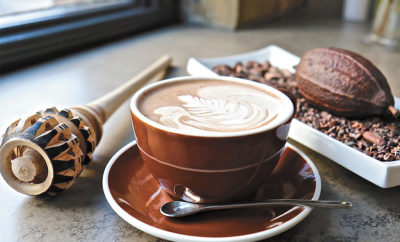
A walking tour needs a pause, and Corktown has plenty of options around its edges. King Street East is the easiest place to find coffee, baked goods, a casual lunch, or a drink. The nearby Distillery District can add galleries, restaurants, and public art to the route, though its cobbled lanes and popular courtyards have a distinctly busier feel.
For a quieter break, pick up something to go and continue toward the Don River. This keeps the outing connected to the neighborhood rather than turning it into a series of indoor stops. Supporting independent cafés, bakeries, and small restaurants also gives the walk a current, everyday dimension beyond its historical landmarks.
Walk South Toward Corktown Common
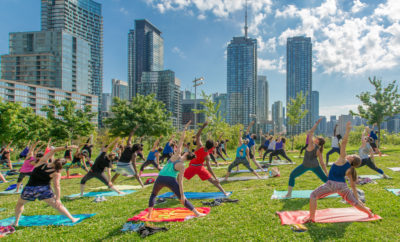
From the older streets, continue south and east toward Corktown Common. The park occupies a former industrial area near the Don River and offers a dramatic change of scenery. Grassy slopes, wetlands, footpaths, and broad views of the downtown skyline make it an excellent place to finish the heritage portion of the walk.
The park’s design also reflects Toronto’s relationship with its waterfront and flood-prone river valley. Follow the paths at an unhurried pace, especially near the planted areas and bridges. On clear days, the skyline photographs well from the higher ground, while overcast weather brings out the textures of the grasses, concrete, and river landscape.
Walk With A Few Local Habits
Corktown is best experienced with attention to small details. Read plaques when available, look into courtyards from public paths, and notice how the neighborhood’s historic buildings have been reused. Keep voices low around church grounds and residential streets, and avoid blocking narrow sidewalks while taking photographs.
A practical route can include:
- Start in the morning for quieter streets and softer light on the brick buildings.
- Bring water and comfortable footwear, since the route combines pavement, park paths, and occasional uneven surfaces.
- Check heritage-site hours before visiting Enoch Turner Schoolhouse or other interiors.
- Add the Distillery District for galleries and food, or skip it when you want a more residential walk.
- Finish at Corktown Common around sunset for skyline views and a slower final stretch.
The most rewarding feature of Corktown is its variety. A single outing can move from a nineteenth-century church to a café-lined avenue, then into a modern flood-protection park without leaving the neighborhood’s general orbit.
Plan your route, save the landmark stops, and spend an afternoon discovering Corktown at walking pace. Its historic streets reveal more with every block, especially when you allow time for the details between the major attractions.