A self-guided walk through Corktown’s Victorian porches and laneways
Corktown sits just east of Toronto’s downtown core, where old brick cottages, industrial remnants and contemporary apartment buildings share a compact neighbourhood. Its streets reward a slow pace: the details are in painted doors, shallow front gardens, iron railings and narrow passages that often disappear behind the main road.
This walking route takes roughly 90 minutes without long stops. Allow two hours if you plan to photograph architectural details, browse nearby shops or pause for coffee. Start near King Street East and Parliament Street, then work south and east through the residential blocks before finishing close to Corktown Common.
For visitors from Australia, the walk offers a different kind of historic streetscape from Sydney’s terraces or Melbourne’s laneways. Toronto’s winter maintenance, icy kerbs and sudden weather shifts matter, so sturdy shoes are useful even when the forecast looks mild. In warmer months, the neighbourhood is especially pleasant early in the day, before the pavements become busy.
Save the route through the Toronto city guide before setting out, and check opening hours for cafés or galleries along the way. The area is easy to reach by TTC, while drivers should expect limited street parking and restrictions during weekday commuting hours.
| Stop | Character | Suggested time |
|---|---|---|
| King Street East | Heritage façades and local businesses | 15 minutes |
| Trinity Street | Victorian cottages and porches | 20 minutes |
| Sackville Street | Residential details and quiet corners | 20 minutes |
| Laneways near Sumach Street | Service lanes and urban textures | 15 minutes |
| Corktown Common | Green space and skyline views | 20 minutes |
Begin with King Street East
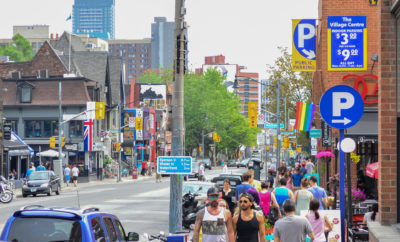
Start at King Street East and Parliament Street, looking west and east before turning into the quieter residential streets. King is a useful orientation point because it shows Corktown’s layered identity in a single stretch: nineteenth-century commercial buildings, converted industrial spaces, newer apartments and busy tram tracks.
Notice the proportions of the older buildings rather than only their shopfronts. Brick façades, tall windows and narrow lots reflect the street’s commercial past, while the side elevations reveal patched masonry and changes made over decades. This is a working neighbourhood, so keep clear of entrances, loading areas and cyclists when stopping for photos.
Follow King Street East towards Trinity Street, then turn south. The noise drops quickly, and the walk begins to feel more domestic. A takeaway flat white may be familiar to an Australian visitor, but Toronto cafés often serve it alongside Canadian-style baked goods, butter tarts and seasonal maple flavours.
Follow Trinity Street’s small-scale architecture
Trinity Street is one of the best places to appreciate Corktown’s Victorian-era residential character. The houses are close to the pavement, with short steps leading to raised entrances. Look for turned posts, decorative brackets, narrow verandah-like porches and painted timber doors, while remembering that many of these homes are private residences.
The porches are particularly expressive because each has been altered by its owners. Some are enclosed for extra interior space, others retain open railings, and a few have modern lighting or bright paint that sits against traditional brickwork. These small changes make the street feel lived-in rather than preserved as a museum set.
Continue towards Eastern Avenue and use the crosswalks carefully. Toronto traffic can be assertive, especially around major intersections, and the city’s cycling network means riders may approach from directions visitors do not expect. In summer, shade is limited on several blocks; in winter, packed snow can narrow the footpath.
Read the lanes without trespassing
From Trinity Street, angle towards Sackville Street and the lanes running between the residential blocks. These narrow routes are mainly service corridors rather than public attractions. They can reveal rear garages, old brick walls, utility lines, bins and fragments of painted signage, but access varies from lane to lane.
Treat every gate, chain and private driveway as a clear boundary. A good self-guided walk observes the lanes from their public entrances instead of entering spaces marked private. The contrast between polished front porches and functional rear passages is still visible from the street, and it says much about how the neighbourhood has adapted to modern living.
Sackville Street also provides strong views of Toronto’s changing skyline. New towers rise behind low-rise homes, creating the visual tension that defines many inner-city neighbourhoods. Pause at a corner rather than in the middle of the pavement, and use the quiet moments to compare rooflines, window shapes and garden planting.
Pause for food, markets and local life
Build in a refreshment stop near the eastern end of the route, where independent cafés and small food businesses make a useful break point. Corktown is close to the Distillery District, but its residential streets feel less designed for sightseeing. If you continue towards nearby markets, expect weekend crowds and a mix of produce, prepared food, craft goods and locally made products.
Toronto’s winter market culture is worth planning around, particularly for travellers accustomed to Australia’s outdoor farmers’ markets. A useful reference is this indoor market guide, which can help match the walk with a seasonal stop. In colder months, indoor bazaars provide warmth and a chance to see another side of the city’s neighbourhood economy.
Keep an eye on local event calendars before visiting. Street festivals, construction and community gatherings can change the feel of a block from week to week. As in Melbourne, where a laneway may shift from quiet passage to dining destination, Toronto’s small streets often operate as flexible spaces rather than fixed attractions.
Finish at Corktown Common
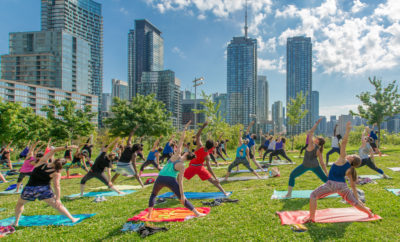
End at Corktown Common, a large park south of the residential streets and near the Don River. The landscape is contemporary rather than Victorian, with open lawns, paths, wetlands and broad views towards downtown. It offers a useful final contrast: the walk begins with tightly packed heritage streets and finishes in a designed public landscape built for recreation and flood protection.
The park suits a longer pause, especially in late afternoon when the skyline catches the changing light. Families, runners and dog walkers are common, and the paths are generally more spacious than Corktown’s older pavements. In warmer weather, bring water; in winter, check conditions before relying on every path being clear.
The practical rhythm is simple: start on King Street East, slow down through Trinity and Sackville Streets, inspect laneways only from public viewpoints, and finish at Corktown Common. Wear weatherproof shoes, allow space for residents and cyclists, and keep the route flexible enough to notice the porches and passageways that make Corktown distinct.