Walking Toronto's mural-lined alleys in the Junction Triangle
Toronto's Junction Triangle has quietly transformed from a forgotten industrial pocket into one of the city's most photographed corners. Tucked between the rail lines west of Dufferin Street, the neighbourhood's brick walls, garage doors and alley fences now burst with colour, telling stories that range from local folklore to abstract geometry.
For visitors used to wandering Melbourne's Hosier Lane or Sydney's Newtown backstreets, the Junction Triangle offers a similar thrill — the joy of turning a corner and finding a ten-metre mural where you expected a loading dock. The works here feel rawer and less curated than some of Australia's better-known street art destinations, which only adds to the appeal for travellers chasing something unscripted.
From rail yards to canvas
The Junction Triangle earned its name from the triangular wedge of land carved out by railway tracks in the late nineteenth century. For decades, the area functioned as a working-class hub of small manufacturers, print shops and warehouses. Many of those buildings still stand, and their weathered facades provide the perfect backdrop for the contemporary art movement that began taking root around 2015.
Local organisations began commissioning pieces to deter tagging and celebrate neighbourhood identity. The approach worked. Today, walking down Perth Avenue or snapping photos along Macedon Street feels less like a back-alley trespass and more like an open-air gallery where the brick itself is part of the exhibit.
The artists behind the brushstrokes
A handful of recurring names show up on the Junction's walls. Some artists work in tight photorealistic portraits, while others favour bold geometric abstractions or playful cartoon characters that nod to Canadian wildlife. Several of the murals include hidden details — a beaver peeking from behind a tree, a TTC streetcar rendered in miniature — rewarding visitors who take the time to look closely.
Unlike the tightly curated street art trails in Brisbane's Fish Lane, the Junction Triangle's collection feels community-grown. Many pieces were painted during weekend festivals where neighbours brought out lawn chairs and watched the walls come alive over a single afternoon.
A route through the painted passages
The most rewarding loop starts at the intersection of Perth Avenue and Dufferin Street and heads south, weaving through the laneways behind the storefronts. Readers planning a longer Toronto itinerary will find suggested routes through the Junction and beyond in the pages of 416 Mag.
Allow roughly ninety minutes if you plan to stop for photos, and wear shoes with grip — winter slush and summer dust can make the asphalt slippery. A few highlights include a sweeping rainbow mural on the side of a print shop, a black-and-white portrait series tucked down a narrow service alley, and a kinetic typography piece that spells out neighbourhood place names in both English and Portuguese, a nod to the area's Brazilian community.
Notable murals to hunt down
- The rainbow print-shop facade on Perth Avenue
- The black-and-white portrait series in the south laneway
- The bilingual typography wall near Macedon Street
- The TTC streetcar hidden inside the geometric mural at the rail overpass
- The wildlife-themed children's wall beside the community garden
Coffee, pastries and pit stops
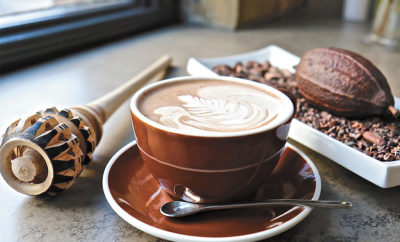
No walking tour of Toronto is complete without a caffeine break, and the Junction Triangle delivers. The flat white culture that defines cafés from Sydney to Perth has fully arrived here, with most roasters pulling espresso shots to Australian standards and offering single-origin filter options.
For something sweet, the neighbourhood sits within easy reach of a growing cluster of Asian-fusion bakeries across the GTA, where matcha croissants, miso cookies and ube layer cakes have become everyday indulgences. The trend mirrors what has happened in Sydney's Inner West, where traditional patisseries have absorbed Filipino, Japanese and Korean influences over the past decade.
Café and bakery detours worth the detour
- A small-batch roastery on Sterling Road serving single-origin filter coffees
- A brunch counter known for its cornflake-crusted French toast
- A Portuguese pastel de nata bakery just south of the main loop
- A Japanese-leaning patisserie with rotating seasonal flavours
Capturing colour on camera
Mid-morning light tends to be the most forgiving, casting soft shadows across the textured brick. Bring a wide-angle lens if you want to capture full walls, but don't overlook the details — peeling paint, rusted hinges and overgrown ivy often become part of the composition.
Phone photographers should turn off the automatic HDR setting when shooting murals head-on, as the feature can muddy the saturated colours. A gentle edit in apps like Snapseed or Lightroom Mobile will usually bring the original palette back to life.
Beyond the murals — extending the day
Once the alleyways have been thoroughly explored, the surrounding streets offer plenty to fill an afternoon. The Junction's antique shops along Antler Street are worth a slow browse, and the weekly farmers' market at the nearby rail park draws locals with sourdough, preserves and Ontario cheeses.
Those with energy left can extend their wander toward the Annex and the Discovery District, where a separate walking route links Toronto's historic churches and cathedrals. The contrast — centuries-old stonework against the Junction's raw brick murals — captures something essential about how the city layers old and new.
The Junction Triangle rewards slow looking. Give yourself at least two hours, keep your phone charged, and let the alleys guide you rather than the map — that's when the best hidden pieces tend to appear. The route works in every season: summer brings long golden evenings, while a dusting of snow turns the painted brick into something entirely new.