How Toronto’s Dungeon and Dragons stores host community campaigns
Neighbourhood game shops often sit between retail, entertainment and public life. Their tables bring strangers together for a shared quest, while regular campaigns can turn one-off visitors into a local network of players, artists, role-players and supporters.
For Australian readers, Toronto offers a useful model, though not one to copy unchanged. Sydney, Melbourne and Brisbane have equally active tabletop communities, and campaigns must accommodate warmer weather, different community venues and Australian fundraising conventions.
Why storefront campaigns work
At its best, a community campaign combines a clear cause with an activity people already enjoy. A Dungeon and Dragons session can raise money for a food bank, collect gifts for children or support an animal rescue without asking supporters to give up an evening of play.
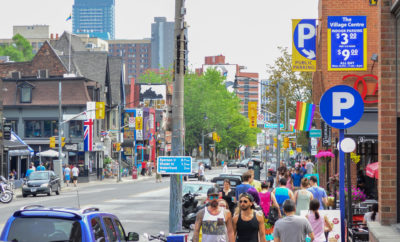
Stores make this possible by providing tables, dice, rulebooks, experienced game masters and a familiar venue. They can also lend equipment or space to local clubs. The wider neighbourhood perspective found in 416 Mag city coverage demonstrates how strongly local businesses can shape a city’s cultural identity.
Formats that lower the entry barrier
Campaigns work best when newcomers can understand them immediately. A one-shot adventure, a themed social night or a short puzzle-based challenge offers a lower commitment than joining a continuing campaign. Organisers can also reserve seats for first-time players and pair them with volunteers who explain the rules.
Australian organisers may schedule these events during the cooler months or late afternoon and evening hours, particularly in Brisbane and other cities where summer heat affects travel. School-holiday programming can attract families, while partnerships with libraries and neighbourhood community centres provide indoor space and broaden access beyond regular role-players.
Turning play into measurable giving
Fundraising campaigns need a mechanism that is easy to follow. Shops might charge a modest entry fee, donate part of every character purchase or auction limited-edition merchandise. A “play for a cause” night can include an optional donation at the table, while sponsored challenges award teams with additional gifts for the chosen charity.
Clear accounting is essential, especially when Australian audiences recognise that tax deductibility applies only to donations made to an eligible tax-deductible entity. Receipts should distinguish the entry fee from the donation, and prices in Australian dollars should show whether GST is included. Publishing the amount raised and how it reached the organisation builds trust for the next event.
Partnerships that extend the table
Campaigns become more useful when they connect several parts of local life. Game shops can work with cafés on shared meal packages, libraries on public reading and storytelling events, or community organisations that need volunteers. Local conventions can provide additional tables, judges and costume activities without forcing organisers to build an event from nothing.
Pop-ups offer another route. A demonstration at a Melbourne laneway market, a stall near an Adelaide Central Market or a weekend at a community fair can introduce the game to people who would not visit a specialist shop. Temporary structures, food stalls and public activations may require council approval, insurance and permission from the market operator.
Inclusive events also reflect local expectations. Organisers can provide clear conduct rules, accessible venues, alcohol-free options and guidance for beginners. An Acknowledgement of Country at the opening of an Australian event adds a locally familiar sign of respect while welcoming participants from different backgrounds.
Building blocks for Australian organisers
A useful campaign has two sides: a compelling activity and reliable local logistics. Both should be settled before tickets or promotional posts appear.
Campaign design
- Choose one charity or community goal that participants can explain in a sentence.
- Offer a beginner-friendly session alongside options for experienced players.
- Set a fixed fundraising target and publish the amount raised afterward.
- Use themed props, costumes or prizes to make the event memorable.
- Keep the core session short enough for volunteers to manage comfortably.
Venue and promotion
- Confirm capacity, accessibility, parking, public transport and nearby food options.
- Schedule around school holidays, major sporting events and competing conventions.
- Use social media, local councils, libraries and community newsletters.
- Register participants in advance where insurance or venue rules require it.
- Brief volunteers on rules, safety, inclusion and the charity’s purpose.
A final rehearsal can prevent the small problems that spoil community events: missing rulebooks, confusing arrival instructions, insufficient volunteers or donation totals that are difficult to verify.
What lasting campaigns leave behind
Successful events generate more than money. They can create regular gaming groups, connect isolated residents with community resources and give new game masters a supportive place to begin. Partnerships formed over a charity night often continue through book swaps, fundraising drives and seasonal campaigns.
The point to remember is simple: the strongest community campaigns turn a shared love of play into visible, well-run support for a local cause.