The Danforth’s Easter Bakery Rhythm
How the Danforth’s Greek Bakeries Prep for Easter Week is a story of timing, technique and neighbourhood ritual. In Toronto’s Greektown, bakeries begin working well before the Easter rush, preparing braided loaves, syrup-soaked sweets and buttery biscuits for families gathering around the holiday table.
Easter is especially significant in the Greek Orthodox calendar, where Holy Week can fall on a different date from Western Easter. That difference shapes everything from ingredient orders to staffing rosters. By the time visitors notice the first decorated windows, bakers may already have spent days testing dough, checking ovens and arranging takeaway packaging.
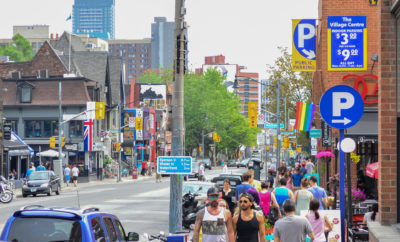
The Danforth’s bakeries serve a mixed crowd: Greek families buying familiar flavours, curious locals trying tsoureki for the first time, and visitors looking for a taste of Toronto’s cultural history. The atmosphere has a practical warmth, with trays moving quickly and regulars often knowing exactly which shop makes their preferred koulourakia.
For readers in Australia, there are familiar parallels in Melbourne’s Oakleigh, Sydney’s Marrickville and Adelaide’s Greek communities. Good Friday and Easter Monday affect trading hours, while phrases such as “grab a box for the arvo” reflect the casual, shareable way many Australian households approach holiday food.
| Bakery Reality | Toronto’s Danforth | Australian Comparison | What It Means |
|---|---|---|---|
| Main sweet bread | Tsoureki with mahlepi and citrus | Similar to festive brioche or fruit bread | Buy early for the freshest loaf |
| Holiday biscuits | Koulourakia in large batches | Comparable to Greek bakeries in Oakleigh or Marrickville | Ideal for gifting and visiting |
| Customer demand | Family orders and walk-ins | Strong pre-order culture around public holidays | Ring ahead for larger quantities |
| Trading pattern | Busy Holy Week counters | Good Friday and Easter Monday can alter hours | Check opening times before travelling |
An Easter Calendar With Two Clocks
The first challenge is that Easter does not arrive as a single, simple date for every customer. Greek Orthodox Easter follows the Julian calendar calculations, so the celebration may occur later than Western Easter. Danforth bakery owners must read both calendars, anticipating when church services, family lunches and long-weekend visits will bring people through the door.
Preparation often starts with supplier conversations. Flour, butter, eggs, citrus, sugar and spices need to arrive in quantities large enough for several days of production. Mahlepi, the aromatic spice that gives tsoureki its distinctive character, is essential, while mastic, orange zest and cardamom may add further depth depending on the family recipe.
This calendar has an Australian comparison. A bakery in Melbourne may prepare for a rush around the Greek Orthodox Easter weekend while also navigating Anzac Day, school holidays or a busy Saturday market. Customers used to booking a cake or sourdough loaf ahead of a public holiday will recognise the logic: Easter baking rewards planning rather than a last-minute dash.
From Flour To Tsoureki
Tsoureki is often the centrepiece of the Easter display. The dough is enriched with eggs, milk, butter and sugar, then perfumed with mahlepi and citrus. It requires patience because the yeast needs time to develop and the dough must rise properly before it is divided, braided and baked.
The braid is more than decoration. Three strands are commonly associated with the Holy Trinity, and the finished loaf may be topped with sesame seeds, almonds or a red-dyed egg. Bakers balance tradition with production realities, scaling recipes carefully so that hundreds of loaves retain a consistent crumb and golden crust.
Koulourakia bring a different kind of rhythm to the kitchen. These crisp, lightly sweet biscuits are shaped by hand or with simple cutters, brushed with egg wash and baked in successive trays. Their longevity makes them useful for households hosting several meals, and their compact form suits the kind of gift box people can carry across the city on the TTC.
Counters, Queues And Neighbourhood Memory
During Holy Week, the bakery counter becomes a small piece of theatre. A customer might arrive for one loaf and leave with biscuits, baklava, coffee and a box of sweets for relatives. Behind the glass, staff label pre-orders, refill trays and answer questions about ingredients, storage and the best day to serve each item.
This is where the Danforth’s food culture connects to Toronto’s broader identity. The neighbourhood is easy to explore on foot, and food stops can be part of a wider local outing. Readers planning a city day can find more neighbourhood context through Toronto neighbourhood guide, which captures the independent shops, personalities and street-level energy that give Toronto its character.
For Australian visitors, the scene may feel familiar in the way suburban Greek precincts combine bakery, café and community noticeboard. Oakleigh’s Eaton Mall and Marrickville’s Greek businesses operate in a similar social register: people come for a specific pastry, then stay for conversation, coffee or a longer browse.
The People Behind The Holiday Rush
Easter baking depends on coordination as much as recipes. Early-morning teams mix and shape dough, while front-of-house staff manage phone orders and explain which products are available. Family-run businesses often rely on techniques passed between generations, with small adjustments made for modern ovens, changing ingredient costs and customer preferences.
The work is also physical. Long hours standing, lifting flour and moving hot trays make fitness part of the job, even when the public sees only the finished display. In the days before Easter, a bakery can feel closer to a compact production kitchen than a quiet café, with every bench and cooling rack assigned a purpose.
Customer habits influence the menu, too. Some shoppers want a traditional loaf untouched by novelty; others look for mini tsoureki, gift-ready packaging or a less-sweet biscuit. Toronto’s multicultural market makes room for both, allowing old recipes to remain central while bakeries respond to a broader audience.
Buying Smart For The Easter Table
A little planning helps customers enjoy the food at its best, especially when shops are operating on reduced holiday hours. The same principle applies in Australia, where Good Friday closures and early finishes can catch out anyone relying on a last-minute purchase. A bakery run can also become part of a larger day out, such as a walk or ride before taking pastries home; these waterfront bike routes offer one way to build a Toronto outing around food and neighbourhood exploration.
- Pre-order tsoureki several days before the busiest Holy Week dates.
- Ask whether the bakery recommends room-temperature storage or freezing.
- Buy koulourakia in a sealed box if they are travelling across the city.
- Check holiday opening hours before setting out on Good Friday or Easter Monday.
- Carry a firm, level bag so braided loaves and decorated sweets stay intact.
- Share the order across several households to sample different bakery styles.
The best purchase is often a balanced one: a fresh tsoureki for the centre of the table, koulourakia for coffee and a small selection of syrupy pastries for guests. Pick-up early in the day usually means more choice, shorter queues and baked goods that have had time to cool without losing their aroma.
Before Easter week begins, choose a Danforth bakery, phone through a pre-order and mark the collection time in your calendar.