How the Junction’s Indie Bookshops Are Keeping Print Alive
In Toronto’s west end, the Junction’s independent bookshops make reading feel like a local ritual rather than a private transaction. Their shelves, window displays and staff recommendations turn the act of buying a book into a way of exploring the neighbourhood.
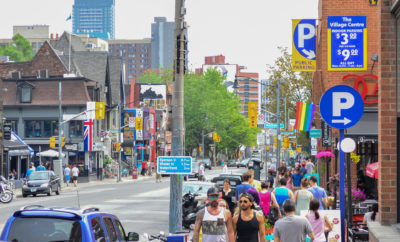
The Junction is a place where old storefronts, cafés, galleries and small restaurants sit alongside newer residential developments. That mixed character gives independent retailers room to create distinct identities, even as rising rents and online shopping reshape the city’s retail landscape.
For readers in Australia, the appeal is familiar. A Melbourne tram ride to a neighbourhood bookshop, a Saturday browse through a Sydney market or a coffee before work in Brisbane can make print part of an ordinary routine. The Junction’s shops offer that same sense of discovery, with a distinctly Toronto perspective.
Their survival also depends on more than nostalgia. Bookshops are adapting through events, carefully chosen stock, used books, local authors and community partnerships. In doing so, they are showing why physical books still matter in an age of instant downloads and algorithmic recommendations.
A neighbourhood built for browsing
The Junction rewards slow movement. Visitors can walk between bookshops, bakeries, bars and vintage stores without needing a strict itinerary, and that makes browsing feel incidental. A reader might enter looking for a novel and leave with a poetry collection, a children’s book or a title by a Toronto writer.
That physical encounter is difficult to reproduce online. Covers can be handled, staff picks can be compared and conversations can develop naturally. The shop becomes part retail space, part neighbourhood noticeboard and part informal cultural venue.
Curated shelves create local character
Independent booksellers rarely compete with online retailers by carrying everything. They compete through judgement. A tightly selected shelf on Canadian fiction, urban history, cookery or translated literature can feel more useful than thousands of anonymous search results.
The Junction’s bookshops also reflect the city around them. Their selections can connect readers with Indigenous authors, immigrant experiences, local politics, graphic novels and emerging voices. These choices give a bookshop a point of view, which is one reason readers return even when they could find a cheaper copy elsewhere.
Print becomes a social experience
Author talks, reading groups, children’s story sessions and book launches give printed books a life beyond the shelf. Events create regular encounters between writers and readers, while clubs encourage people to finish a book and discuss it with neighbours rather than letting it disappear into a digital library.
That community role matters in Australia, where independent bookshops often anchor shopping strips and host school-holiday activities. In Melbourne and Adelaide, readers may combine a bookshop visit with a market or café stop; in the Junction, the same habit supports a walkable local economy.
Used books keep reading accessible
Second-hand books broaden the audience for print. They make room for impulse purchases, allow students and families to spend less, and give older titles a chance to circulate again. A used copy also carries a small history through inscriptions, creased spines and notes left by previous owners.
Affordability is increasingly important in both Toronto and Australia. Australian readers face GST on most books and the high freight costs of a large, geographically spread market, while Canadian shoppers contend with housing costs and shifting retail prices. Used stock gives independent sellers a practical way to keep books within reach.
The shop floor resists the algorithm
Online platforms are efficient, but efficiency can narrow discovery. Recommendation systems tend to reinforce established interests, while a bookseller can suggest something unexpected based on a conversation, a mood or a passing comment about a favourite author.
This human exchange is especially valuable for children and younger readers. A staff member can help a reluctant reader find a manageable first novel, guide a parent towards inclusive picture books or recommend a graphic memoir that bridges fiction and nonfiction. The result is a personal connection with reading, rather than another automated suggestion.
Local culture extends beyond the Junction
A bookshop visit can sit within a wider Toronto day. Readers might pair browsing with a meal in another part of the city, then use a neighbourhood guide such as Toronto city guide to find exhibitions, markets and independent venues nearby.
Food and books also share a useful quality: both encourage people to explore through small, repeatable experiences. A weekend itinerary might move from the Junction to a reading event and then towards Markham for a relaxed meal, with a dim sum brunch crawl providing another reason to make the day social and unhurried.
A resilient future for paper
Print will continue to change, but independent bookshops are proving that its future is not limited to collectors. E-books suit travel and convenience, while paper books offer display, tactility and a break from screens. Many readers use both formats depending on the moment.
The Junction’s booksellers strengthen that balance by making print visible and communal. Their windows invite passers-by, their staff create trust and their events turn reading into a shared local habit. For visitors from Australian cities, the lesson is recognisable: a good bookshop survives when it becomes part of the neighbourhood’s daily rhythm.
A visit does not need to be elaborate. Start with one Junction shop, browse without a shopping list, ask for a recommendation and choose a book that would never have appeared in an online feed. Take that first step on the next free Saturday.