Kensington Market pedestrian Sundays and Toronto's street performers
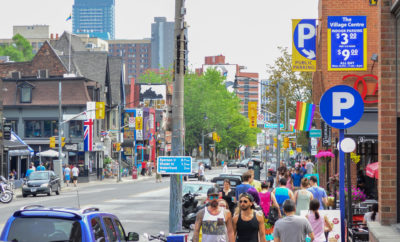
Kensington Market pedestrian Sundays bring out the city's street performers by turning the neighbourhood into a city-scale stage. Cars disappear from key streets, footfall swells, and buskers, musicians, dancers, jugglers and circus artists work the crowd. What looks like an ordinary market day becomes a rolling showcase of talent.
The effect comes from the neighbourhood itself. Narrow lanes, apartment windows, global food stalls and a steady stream of visitors create the stage and the audience at once. Performers can move from one pocket of activity to another, while spectators often become part of the act through clapping, donations and spontaneous participation.
For Australians, the social rhythm will feel recognisable: browsing stalls, carrying coffee, meeting friends and watching children stare at a street performer. The similarities make Kensington easy to enjoy, but Toronto's mix of migration, music and residential life gives its Sundays a character distinct from a typical Australian market.
Why pedestrian Sundays transform Kensington Market
Pedestrian Sundays do more than ease traffic. When vehicles are removed, performers can claim a patch of pavement without negotiating curbside parking, and sound travels between storefronts more freely. The atmosphere is informal by design: there is no single grand stage, only a sequence of small, constantly changing stages.
That format also changes how a performance is received. A dancer can use the movement of shoppers as choreography, while a comic draws laughs from people waiting for food. Tips matter, but so do rapport and timing; the strongest acts read the crowd and adjust. Kensington's Sunday crowd becomes a collaborator.
The performers who fill the streets
The cast is broad rather than fixed. Expect guitar, percussion, brass, dance, magic, puppetry, hoops, comedy and high-energy circus skills, with the mix changing by hour and season. Some performers travel the festival circuit, while others are neighbourhood regulars who return because the audience responds to their work.
Toronto's multicultural character shapes the repertoire as much as the crowd does. A melody from one community can sit beside another without explanation, and performers often shift language or style to meet listeners. This is street performance as urban exchange: the act may be polished, but the setting keeps it approachable.
Music, movement and spectacle
Music is the market's constant backdrop because it can travel. A saxophonist at one end of a lane may draw a second violinist around a corner, while percussion sets the pace for shoppers. Sound and sightlines overlap, making the streets feel like an outdoor festival assembled from brief encounters.
Depending on the event, the spectacle may extend to stunts, fire or aerial work, subject to performer permissions and municipal rules. After a lively set, visitors seeking another kind of local recreation can use the North York pickleball courts guide to plan an afternoon of casual play.
Food, neighbourhood energy and Australian parallels
Food keeps the performance grounded. Vendors need room for queues, performers need an audience beyond their own circle, and both benefit from a crowd that lingers. The smell of grilled food, coffee and spices becomes part of the show, while tips and food purchases support the people who keep the streets active.
Market food is best sampled in small portions rather than treated as a quick refuel. When a slower meal is preferable, the Roncesvalles brunch spots offer a relaxed companion to the market.
Australian visitors will recognise the broader ritual. Melbourne's Queen Victoria Market and surrounding laneways combine weekend food shopping with passing music; Sydney's buskers work around Paddy's Markets, Circular Quay and the Fish Market as commuters and ferry passengers flow past; Brisbane's Jan Powers farmers markets sit within a strong culture of outdoor weekends. Meeting friends for brunch is common in each city, just as it is in Kensington.
Toronto and Australian market days compared
Kensington is denser and more culturally compressed than a conventional regional market. Its performers work in residential lanes rather than a dedicated entertainment zone, and visitors can encounter a dozen acts without buying a ticket. Australian markets may spread across larger footprints, but the same desire for a lively weekend atmosphere drives both scenes.
Weather and geography also alter the encounter. Toronto's variable spring and autumn weather can interrupt a performance or clear the lanes by lunchtime, while Melbourne laneways and Brisbane's bright heat push people toward shade and ventilation. Understanding those differences helps visitors read the performance rhythm instead of expecting it to match an Australian market.
| Feature | Kensington pedestrian Sunday | Australian market parallel |
|---|---|---|
| Setting | Dense residential lanes with food stalls | Larger grounds, city laneways or harbour sites |
| Performance style | Frequent, informal mini-sets | Main-stage acts mixed with roaming buskers |
| Main audience | Shoppers, residents and visitors | Families, food buyers, commuters and tourists |
| Typical rhythm | Continuous, with the cast changing | Programme-led around scheduled sets |
| Useful approach | Walk slowly and circle back | Check the programme and plan meal breaks |
A practical Sunday plan
A relaxed plan suits this kind of day. Check the current event schedule and street closures, use the TTC subway or streetcar, arrive near opening for easier movement, and return later if you want a different performer or atmosphere. Small notes and coins are useful, as are water, sunscreen and comfortable shoes.
A compact checklist keeps attention on the people rather than logistics:
- Check the official schedule and weather alerts before travelling.
- Arrive early for less crowded lanes and better sightlines.
- Keep walkways clear, ask before close-range filming and give each act uninterrupted time.
- Carry small notes for performers and vendors who accept cash.
- Choose one substantial food stop instead of rushing through every stall.
- Set a meeting point and leave time to see who is performing when you return.
The practical takeaway is simple: arrive with a little time, move on foot, tip and listen respectfully, and let the market's changing rhythm—not a fixed programme—shape the visit.