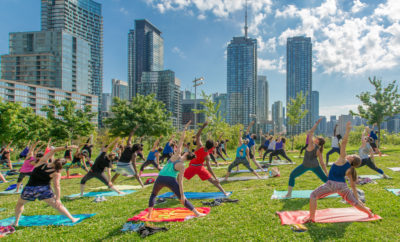
Free Ways To Get Moving At Toronto Community Centres
Across Toronto, community centres are making it easier to exercise without the price of a private gym membership. City-run recreation facilities offer drop-in activities, scheduled classes, indoor walking, dance sessions, aquatic programs, and fitness rooms in neighbourhoods across the city.
For residents looking for affordable ways to stay active, these centres provide practical options close to home. Some sessions are free, while others may require registration, a modest fee, or a valid recreation pass. Schedules and eligibility vary, so checking the City of Toronto’s current listings before visiting is essential.
The city’s recreation network also reflects the character of its neighbourhoods. A morning stretch class in Scarborough, a family swim in North York, and an evening fitness session in the west end can all feel different while offering the same benefit: accessible movement in a welcoming local setting.
What Free Fitness Programming Looks Like
Toronto’s community centres host a broad mix of activities rather than a single standard class format. Depending on the facility, residents may find low-impact aerobics, yoga-inspired stretching, dance fitness, strength and conditioning, tai chi, walking groups, or open gym time.
Many sessions are designed for specific age groups, including older adults, youth, and families. There are also programs adapted for different mobility levels, making community recreation a useful entry point for people who are returning to exercise or prefer a less intimidating environment.
Some classes operate as drop-ins, meaning participants can arrive during the scheduled time without committing to a multi-week course. Others have limited capacity and require online registration. A recreation staff member can explain whether equipment is supplied and whether participants should bring indoor shoes, a water bottle, or a mat.
Where To Find Classes Near You
The easiest starting point is the City of Toronto recreation program search. Filter results by neighbourhood, facility, day, age group, and activity type, then read the program details carefully. A class listed as free may still require a reservation or a recreation account.
Local libraries, neighbourhood associations, and community newsletters can also share information about seasonal programming. Following a centre’s social media page may help residents spot timetable changes, holiday closures, and special fitness events.
For a wider look at what is happening across the city, Toronto community coverage can help readers connect recreation with local food, culture, events, and neighbourhood stories. That broader context makes it easier to plan an active day around a nearby market, café, or public space.
| Activity | Often Suits | What To Check Before Attending |
|---|---|---|
| Indoor walking | Older adults, beginners, winter exercisers | Session times, track or gym availability |
| Stretching or gentle fitness | People seeking low-impact movement | Mobility requirements and class intensity |
| Dance fitness | Teens and adults who enjoy group energy | Registration rules and footwear |
| Open gym activities | Youth, families, and recreational players | Age limits, equipment, and court schedule |
| Aquatic exercise | Adults and older adults | Swim level, pool capacity, and required attire |
Why Neighbourhood-Based Exercise Works
A nearby recreation centre removes several barriers that can make regular exercise difficult. Shorter travel times mean a workout can fit before work, after school, or between errands. Participants also avoid the long-term contracts and joining fees associated with many commercial fitness facilities.
Familiar surroundings can make group exercise feel more comfortable. Regular attendees often recognize staff and neighbours, which creates a sense of routine and accountability without the pressure of a competitive gym environment.
Community centres are also valuable social spaces. A class can introduce newcomers to people living nearby, while a shared activity can help older adults maintain connections during colder months. The social benefit is especially important for residents who want movement and community interaction in the same visit.
Making A Free Class Part Of Your Routine
The best way to build consistency is to choose a realistic schedule rather than the most demanding class available. A weekly beginner session, lunchtime walk, or gentle mobility class can create a dependable foundation. Once that routine feels comfortable, participants can add a second activity.
Arriving early is useful for first-time visitors. Staff can explain check-in procedures, changing areas, accessibility features, and emergency policies. It also gives participants time to introduce themselves to the instructor and mention injuries or limitations privately.
People should treat free programming with the same care as any paid workout. Comfortable clothing, supportive footwear, hydration, and a gradual warm-up can improve the experience. Anyone managing a health condition should follow professional medical advice before beginning a new exercise program.
Programs For Different Ages And Abilities
Parents may find family gym time, recreational swimming, or youth activity sessions that allow children to move in a supervised setting. These programs can be a practical alternative to organized sports leagues, especially for families balancing work, school, and transportation.
Older adults are often well served by low-impact exercise, balance training, stretching, and walking programs. These activities can support flexibility, coordination, and confidence while giving participants a regular opportunity to socialize.
Accessibility should be considered when comparing facilities. Residents can ask about ramps, elevators, accessible change rooms, adapted equipment, support persons, and class modifications. Not every centre offers the same features, so contacting the facility ahead of time is worthwhile.
Turning A Workout Into A Toronto Outing
A community-centre visit can become part of a larger neighbourhood experience. Walk or cycle to the facility when practical, stop at a local café afterward, or combine a class with a trip to a library, park, or public market. This approach makes physical activity feel connected to daily city life instead of isolated from it.
Seasonal outings can add variety. After an indoor workout, residents might explore a nearby winter market or waterfront path. In warmer months, a centre-based class can pair naturally with a walk through a local green space or a visit to one of the city’s colourful public art spots.
For visual inspiration when planning neighbourhood excursions, these Instagrammable flower walls offer a playful way to extend an active day beyond the gym and discover different corners of Toronto.
Simple Steps For Getting Started
- Search the City of Toronto recreation listings by postal code or neighbourhood.
- Confirm whether the class is free, drop-in, or registration-based.
- Contact the centre about accessibility, equipment, and age requirements.
- Choose one manageable weekly session and record it on your calendar.
- Arrive early for the first visit and ask staff about related programs.
Free and low-cost fitness opportunities are strongest when residents know how to find them and feel comfortable returning. Toronto’s community centres provide that starting point through practical classes, welcoming staff, and programming shaped around local needs.
Check the schedule at a centre near you, reserve a place when required, and make your next workout part of the neighbourhood. A healthier routine may be closer, simpler, and more social than expected.