Toronto’s Indigenous food pop-ups are sharing traditional recipes
Toronto’s Indigenous food pop-ups turn family recipes, seasonal ingredients and cultural knowledge into communal meals. From short-run market counters to tasting tables led by First Nations, Métis and Inuit cooks, they present food as living heritage rather than a fixed menu of “traditional” dishes.
Every table has a specific origin, so the clearest pop-ups name the nation, territory, family or community behind the cooking. The setting might be a downtown hall, community centre or market tent, but the exchange remains grounded in care: cooks share knowledge, diners support Indigenous ownership, and a meal becomes an occasion for gathering.
Knowledge carried through food
Recipes often begin with remembered instructions rather than written formulas: how long to soak wild rice, when to add dried beans, or which smoke and drying methods suit a particular cut. Knowledge holders, older relatives and younger cooks all shape the result, creating information that moves across generations while retaining community ownership.
Maize, beans, squash, wild rice, maple, berries, fish, game and cultivated greens appear across many local tables, yet there is no single Indigenous Toronto cuisine. The Three Sisters, for instance, carry specific Haudenosaunee histories; a menu can honour them by naming growers and teachings rather than calling them a generic heritage trio.
Why pop-ups matter in Toronto
Toronto already has established Indigenous food businesses, including the Anishinabe restaurant Tea N Bannock and Indigenous catering company NishDish. Permanent kitchens demonstrate the value of consistent work, while pop-ups extend that reach through guest-chef nights, shared kitchens and rotating stalls that bring people into existing community spaces.
Pop-ups can also feel less formal than a ticketed dinner, making them approachable for first-time visitors. After a tasting, Harbourfront’s canoe and kayak rentals can turn the visit into a summer waterfront outing, subject to weather, water conditions and bookings.
Recipes, techniques and stories
A well-crafted menu might pair cedar-grilled fish with wild rice and greens, serve smoked meat with beans and corn, or finish with maple, berry or squash desserts. Bannock and frybread may appear too, but cooks often explain the grain histories and community traditions behind them rather than presenting either as a catch-all Indigenous dish.
The food is only half the story. Menus, hosting and spoken introductions can identify where ingredients were gathered or grown, who prepared them and why a dish belongs on the table. Some recipes remain private or ceremonial, so a thoughtful pop-up leaves those boundaries intact while sharing what its hosts have chosen to offer.
The atmosphere around the table
Service often shapes the mood as much as the menu. Long communal tables, hosts explaining each course and background music make the room feel like a temporary neighbourhood gathering. A pop-up can then become a gateway to other local artists, food businesses and community organisations rather than an isolated food stall.
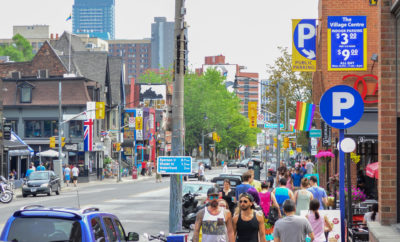
That street-level energy has company in Toronto. Coverage of the Danforth Greek food festival shows how a food festival can briefly turn a busy corridor into a shared table, while Indigenous pop-ups add something distinct by placing cultural accountability and Indigenous ownership inside the event.
Australian parallels worth noticing
For Australian readers, useful urban reference points include NAIDOC Week gatherings in Melbourne, Aboriginal and Torres Strait Islander events at Sydney’s Carriageworks, and large community events near Brisbane’s Musgrave Park. The city networks and cultural traditions differ, but a familiar pattern emerges: food sits beside music, dance, markets and children’s activities.
Language also needs care. Australians may hear “bush tucker” for native ingredients and “mob” for family or community, but neither term travels neatly between countries. A Melbourne plate rooted in Wurundjeri knowledge and a Toronto menu grounded in Anishinaabe or Inuit methods require their own names and histories.
The market mechanics overlap too: volunteer rosters, council permits, food-safety checks, insurance, portable kitchens and payment options all matter. Toronto’s winter conditions and Australia’s summer heat or bushfire seasons create separate demands, while both markets depend heavily on community trust to bring vendors and attendees together.
Visiting with respect and curiosity
A thoughtful visit starts before the first bite. Check who is hosting, read the menu notes and look for practical information about access, allergens, photographs and payment.
- Look for the nation, territory or community named by the host.
- Ask before photographing people, food or ceremonial objects.
- Pay the Indigenous vendor directly and ask how purchasing supports the community.
- Treat unfamiliar ingredients as cultural knowledge, not a novelty.
- Ask about substitutions without demanding a family’s private history.
- Stay for the hosted talk and credit the cooks when sharing.
Some dishes may be seasonal, limited or prepared for a smaller group, so patience helps. Respect also means accepting that not every family recipe is public, even when similar ingredients appear on another menu.
Keeping the tables open
These meals keep questions of food sovereignty visible: who controls a dish’s name, story, labour and income. For Toronto, supporting cooks and suppliers also counters the tendency to treat Indigenous knowledge as a restaurant trend stripped of its community context.
In colder months, an indoor pop-up fits easily into a city day once cold-water paddling loses its appeal; Toronto’s winter skating trails offer another way to encounter neighbourhood space. The next concrete step is to save one announced pop-up in a calendar after checking the host’s posted menu and access details.