The Soundtrack Of Toronto’s Sidewalks
On a warm afternoon in Toronto, a familiar city rhythm can change with the first guitar chord, hand drum pattern, or burst of vocals. A performer sets up near a subway entrance, market, park, or busy corner, and pedestrians become an unplanned audience. Some pause for a song; others keep moving while carrying a melody into the rest of their day.
How Toronto’s street performers are keeping busking alive is a story about adaptation as much as talent. Buskers work around weather, construction, noise, changing foot traffic, and the economics of performing in public. They also bring something difficult to schedule or reproduce: an immediate exchange between artist and neighbourhood.
For residents looking for local culture beyond ticketed venues, busking offers a low-cost way to encounter music, dance, comedy, magic, and performance art. It is one of the city’s most visible creative traditions, and its future depends on audiences treating public performance as real work.
A City Built For Spontaneous Performance
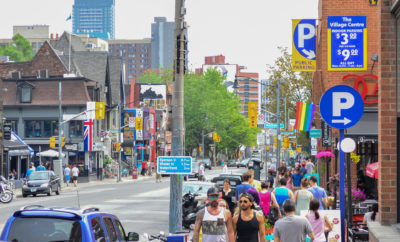
Toronto’s mix of neighbourhoods creates a wide range of stages. A musician may find one audience around Kensington Market, another near the waterfront, and a completely different crowd outside a busy downtown station. Each setting has its own pace, acoustics, and expectations.
The best street performers read those conditions quickly. A soulful singer may choose a place where people naturally slow down, while a percussionist or dancer can command attention in a louder, more open space. The ability to adjust a set in real time is part of the craft, especially when a sudden rain shower or delivery truck changes the atmosphere.
Local coverage from 416 Mag helps place this kind of creative activity within Toronto’s wider community scene. Busking is connected to food markets, festivals, nightlife, fashion, and the everyday life of the city rather than existing apart from them.
More Than Music On The Sidewalk
Although guitarists and vocalists are often the most visible buskers, Toronto’s street performance culture includes a much broader range of acts. Violinists, beatboxers, dancers, magicians, portrait artists, puppeteers, comedians, and circus performers all contribute to the public-stage experience.
This variety matters because different forms of performance invite different kinds of attention. A musician might build a small listening circle, while a living statue creates a visual surprise or a dancer draws people into a brief communal spectacle. The city’s public spaces become more expressive when audiences encounter art they did not plan to see.
Many performers also use amplified sound, loop pedals, backing tracks, or compact battery systems to create a fuller production without a large crew. Technology has made solo performance more flexible, but the central ingredient remains direct contact with passersby.
The Economics Of A Tip Jar
Busking is often described as informal, yet a good performance involves preparation, transport, equipment, promotion, and stamina. Artists may spend hours rehearsing, repairing instruments, creating arrangements, and travelling to a location before earning anything. Tips can help, but income remains unpredictable.
Digital payments have changed the familiar tip jar. QR codes and mobile payment links allow people without cash to support a performer, while social media can turn a brief sidewalk appearance into a longer-term following. A strong video clip may lead to private bookings, restaurant residencies, studio work, or festival opportunities.
| Part of the busking experience | Why it matters in Toronto |
|---|---|
| Location | Foot traffic, visibility, shelter, and acoustics shape the audience |
| Repertoire | Familiar songs can attract attention, while original work builds identity |
| Equipment | Portable power and compact setups help artists respond to changing spaces |
| Audience support | Tips, digital payments, follows, and shares can extend a performer’s reach |
| Local rules | Public-space requirements help balance artistic activity with access and safety |
Finding The Right Balance In Public Space
Street performers share sidewalks with residents, commuters, businesses, cyclists, vendors, and emergency access routes. The strongest busking spots are not necessarily the loudest or busiest places; they are locations where an act can be seen and heard without blocking movement or creating a hazard.
Responsible performers pay attention to volume, crowd size, cables, personal space, and nearby businesses. They may shift position when foot traffic becomes congested or avoid setting up beside a doorway. These small decisions help maintain goodwill and make it easier for public performance to remain welcome.
Rules and permit expectations can vary by location, event, and type of activity. Artists need to understand the requirements of the space they use, while audiences and business owners can recognize that reasonable guidelines are intended to support shared access rather than erase street culture.
Neighbourhoods Become The Venue
Busking can give a neighbourhood a distinctive personality. A recurring singer near a market, a jazz duo outside a café, or a dancer in a park can become part of the local memory. People begin to recognize performers, recommend them to friends, and associate a particular corner with a particular sound.
This relationship is especially meaningful in areas where public life happens outdoors. Street performance can encourage people to linger, explore nearby shops, and experience a district at walking speed. It also creates opportunities for artists who may not yet have the money, contacts, or profile needed to enter formal venues.
For visitors, a chance encounter with a busker can become a memorable part of a Toronto itinerary. For residents, it is a reminder that culture is produced in ordinary places, often by people working independently and building an audience one performance at a time.
What Keeps The Tradition Moving
The next generation of Toronto performers is likely to combine classic busking techniques with livestreaming, short-form video, original releases, and collaborations. A sidewalk set can function as a rehearsal, a promotional shoot, a networking opportunity, and a complete performance all at once.
Community support will shape whether that future remains accessible. People can help by tipping when they enjoy a set, requesting songs respectfully, sharing an artist’s work, and allowing performers to finish without unnecessary interruptions. A little patience also matters when an artist is setting up or packing down.
Ways To Support Local Buskers
- Carry some cash or use a performer’s posted digital payment option.
- Follow artists online and share their performances with proper credit.
- Tip for the full experience, including original music and short sets.
- Give performers room to work and keep entrances, ramps, and walkways clear.
- Recommend talented artists for community events, private gatherings, and local venues.
Toronto’s street performers are keeping busking alive by treating public space as a place for connection, not just transit. The next time music or movement catches your attention on a city sidewalk, stop for a moment, listen closely, and support the artist whose work just changed the atmosphere around you.