Inside Toronto’s Annual Free TIFF Screenings
Every September, Toronto becomes a meeting place for filmmakers, actors, critics, and movie lovers from around the world. While gala premieres and industry events often carry a price tag, the Toronto International Film Festival also creates free ways to experience the festival atmosphere across the city.
Free screenings can include outdoor films, community presentations, short-film programs, and public events connected to TIFF. The exact lineup changes each year, so the best experience comes from knowing where to look, how early to arrive, and what “free” means for each type of event.
For residents and visitors planning a full day around the festival, 416 Mag’s guide to Toronto’s summer festival season is a useful companion. TIFF arrives as summer gives way to fall, but the city’s festival rhythm continues through neighbourhood screenings, food stops, and cultural gatherings.
What Free TIFF Screenings Usually Include
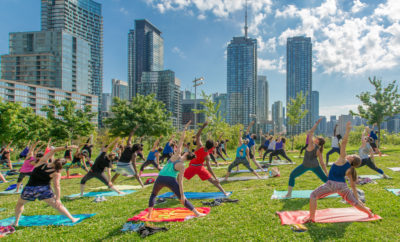
The most visible free film events tend to happen outdoors or in public spaces. Past programming has included open-air screenings, film presentations in parks, and festival-related events near TIFF Bell Lightbox and the Entertainment District. These gatherings let audiences enjoy a movie without the formal atmosphere or ticket costs associated with red-carpet premieres.
Some free programs focus on short films, emerging filmmakers, family-friendly entertainment, or culturally specific stories. Others may be connected to talks, live music, filmmaker appearances, or community celebrations. A free screening can feel more relaxed than a standard cinema visit, but it still reflects TIFF’s interest in international cinema and new Canadian voices.
Where To Find The Screenings
TIFF’s official website and social media channels are the most reliable sources for dates, locations, registration details, and last-minute changes. The festival’s public events may be announced in stages, which means the calendar can become more useful as September approaches.
The TIFF Bell Lightbox area is a natural starting point, but free events are not limited to one building. Parks, plazas, cultural venues, and partner locations across Toronto may host screenings or related programs. Transit access, street closures, and venue capacity can affect the best route, particularly during busy festival weekends.
Planning A Free Movie Day
Free admission does not always mean unlimited entry. Outdoor screenings may operate on a first-come, first-served basis, while indoor community programs may require a free RSVP. Some events distribute tickets in advance, and others admit guests until the space reaches capacity.
Arrive early if the film is popular, especially when the event features a notable director, actor, or major premiere-related celebration. Bring a sweater, a compact rain layer, and something comfortable to sit on for outdoor events. Toronto evenings can become cool quickly, and weather policies vary from one venue to another.
| Event feature | What to expect | Smart preparation |
|---|---|---|
| Outdoor screening | Public space, casual seating, changing weather | Arrive early and bring a blanket or chair |
| Free RSVP event | Registration may be required before arrival | Save the confirmation on your phone |
| Community program | Local stories, short films, or family content | Check age guidance and program length |
| Partner venue screening | A festival-related event outside the main hub | Confirm the address and transit route |
| Pop-up presentation | Details may be released close to the date | Monitor official updates for changes |
The Atmosphere Beyond The Screen
A free TIFF event is also a way to observe Toronto during its busiest cultural season. King Street West, Roy Thomson Hall, TIFF Bell Lightbox, and nearby streets fill with festivalgoers, photographers, hospitality workers, and curious passersby. Even when a screening is sold out, the surrounding energy can make the area worth visiting.
Food is part of the experience. Cafés, restaurants, food halls, and patios near the festival district give visitors a place to discuss a film before heading to the next event. Those exploring beyond downtown can use local brunch favourites to build a slower morning around an afternoon screening or neighbourhood cultural program.
Making The Most Of Community Screenings
Community-oriented screenings can offer a different perspective from the festival’s high-profile premieres. They may spotlight local filmmakers, underrepresented perspectives, youth projects, documentaries, or stories connected to Toronto’s diverse neighbourhoods. These programs are often more accessible to people who are new to film festivals.
They can also be a good choice for families and casual moviegoers. Check the running time, language, subtitles, accessibility information, and age suitability before leaving home. A short-film program may contain several separate stories, while a public outdoor event may include entertainment before the film begins.
Practical Tips For Festival Visitors
A little preparation helps free screenings feel easy rather than uncertain:
- Check the official event listing on the day you plan to attend.
- Confirm whether entry requires registration, a ticket, or a queue.
- Use public transit when possible, since downtown parking is limited and expensive.
- Pack weather-appropriate layers, water, and a portable phone charger.
- Allow extra time for security, street closures, and capacity limits.
It is also worth keeping a flexible itinerary. If a venue reaches capacity, another free talk, public installation, or nearby screening may still be available. Browse 416 Mag for Toronto-focused coverage of entertainment, restaurants, neighbourhoods, and city events that can fill out the rest of the day.
Free TIFF screenings show how the festival extends beyond premieres and press lines. They bring international cinema into public spaces, connect audiences with local communities, and make Toronto’s film culture easier to access. Check the festival calendar as announcements arrive, plan around the venue, and make time to experience the city between scenes.