Inside Toronto’s church basement clothing swaps
On a Saturday morning, a church basement in Toronto can become a temporary department store with no cash registers, fitting-room queues or polished retail displays. Racks fill with denim, winter coats, party shirts and nearly forgotten accessories, while neighbours sort through rails and chat over coffee.
These clothing swaps are part of a wider reuse culture shaped by Toronto’s dense neighbourhoods, high rent and long winters. A garment that no longer suits one resident may be exactly what another needs for a new job, a cold commute or a last-minute event.
For readers in Australia, the format feels familiar through op shops, school fetes and community markets, though the setting has its own rhythm. Think Vinnies or Salvos energy with a local street-party feel, an arvo spent sorting clothes, and EFTPOS or QR-code payments available for optional donations.
The best swaps are welcoming rather than competitive. People come for affordable fashion, waste reduction and conversation, then leave with useful pieces and a stronger connection to the neighbourhood.
| Swap style | Best for | What participants bring | How it works |
|---|---|---|---|
| Free exchange | Community access | Clean clothing in good condition | Take what fits, give what you can |
| Donation swap | Fundraising | Clothes plus a small contribution | Proceeds support a local cause |
| Curated rail | Smaller venues | Seasonal or themed pieces | Hosts select items before opening |
| Repair-and-swap | Slow fashion | Clothing needing minor fixes | Mending happens alongside the exchange |
Why church basements make ideal venues
Toronto church halls offer something many commercial spaces lack: practical rooms, folding tables, accessible entrances and a built-in connection to local residents. Their plain interiors also take the pressure out of presentation. A jumper does not need to look fashionable on a boutique rail to find a new owner.
Basements work especially well during the city’s colder months, when bulky coats and boots are essential. In summer, the same model can move into a community centre, school hall or apartment common room. The important ingredients are shelter, toilets, lighting and enough room for people to browse without blocking one another.
The social side matters just as much. A swap can bring together students, families, newcomers, older residents and independent designers. It becomes a low-cost event rather than a simple exchange of garments.
What to bring and how to sort it
Participants should bring clean, wearable clothing with working zips, intact seams and no strong odours. Shoes should be paired, accessories grouped and seasonal items clearly separated. Hosts can make the experience easier with signs for coats, knitwear, activewear, workwear, children’s clothing and accessories.
A simple quality standard prevents the venue from becoming a dumping ground. Damaged pieces can go to a textile-recycling stream, while excellent garments may suit a curated rail. In Australia, where op-shop stock and community clothing drives are already familiar, explaining this distinction helps people understand that a swap is built around useful circulation rather than disposal.
Avoid accepting every item at the door. Two volunteers checking donations can politely redirect stained, wet or heavily damaged clothes before they reach the floor. That small step protects the dignity of the event and reduces the clean-up afterwards.
Building a welcoming local scene
Promotion should feel neighbourly and specific. A flyer at the local library, a post in a residents’ group and a notice at a café can be more effective than a broad campaign. Include the date, opening hours, accepted items, accessibility details and whether people need to bring something to participate.
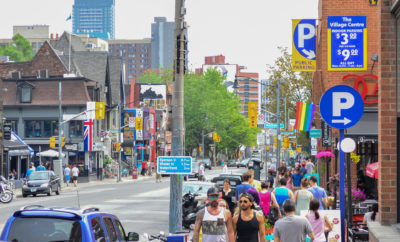
A Toronto weekend can easily combine a swap with other local pleasures. Visitors might browse a colourful neighbourhood beforehand using photo-walk ideas, then return with friends for an afternoon exchange. In Melbourne, Sydney or Brisbane, the same approach could link a clothing event with a makers’ market or a nearby strip of independent cafés.
Keep the mood relaxed with a playlist, tea, coffee and clear circulation around the room. A “take a moment” rail gives people somewhere to place items they are unsure about, while mirrors and a small changing area make the experience more practical.
A practical hosting checklist
The strongest events depend on preparation rather than expensive styling. Assign roles before the doors open so no volunteer is trying to greet guests, sort donations and solve a full rail at the same time.
- Confirm permission, insurance requirements and accessibility with the venue.
- Set a donation cut-off and prepare labelled racks, tables and signs.
- Organise volunteers for check-in, sorting, fitting-room support and pack-down.
- Provide reusable bags, hangers, mirrors and a clearly marked textile-recycling box.
- Decide whether leftover clothing goes to a shelter, charity shop or textile processor.
- Offer an optional donation method, including cash and EFTPOS where available.
In Australia, a neighbourhood hall may require a booking fee, public liability cover or a responsible service plan if refreshments are sold. Check those details early, especially for a Sunday arvo event. Toronto organisers face their own venue rules, so the principle is the same: confirm practical requirements before advertising.
Turning one swap into a shared habit
A regular schedule gives people confidence that their unwanted clothing will have another chance. Quarterly events work well because they follow seasonal wardrobes: coats and knitwear before winter, lighter layers before summer, and occasionwear ahead of the end-of-year social calendar.
Themes can add direction without making the event restrictive. Try workwear, denim, sports gear, formal clothing or a children’s exchange. A repair table with needles, thread and basic sewing help can extend the life of garments that would otherwise be left behind.
The gathering can also connect with Toronto’s wider lifestyle scene. After browsing a swap, friends might continue along the waterfront and compare the city’s lakefront patio spots, giving the event a broader social rhythm than a single transaction.
Keep records of attendance, leftover volumes and popular categories, then use that information to improve the next session. Start with a venue, a date and one clearly labelled rail this week, and appoint two neighbours to begin collecting suitable pieces.