Inside the Revival Of Parkdale’s Art And Music Community
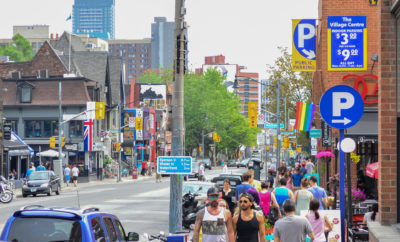
Parkdale has long been one of Toronto’s most creatively restless neighborhoods. Along Queen Street West, side streets, storefronts, studios, and older apartment buildings have supported a mix of musicians, visual artists, designers, makers, and independent business owners. Its character comes from that overlap: art is part of the streetscape, music is woven into nightlife, and community events often feel personal rather than polished.
The neighborhood’s current creative energy is less about a single landmark than a network of small venues and informal meeting places. Gallery openings, record nights, pop-up markets, mural projects, DJ sets, and collaborative exhibitions create regular opportunities for people to find one another. This grassroots rhythm has helped Parkdale remain distinctive as Toronto’s west end continues to change.
For readers tracking the city’s cultural pulse, Toronto culture coverage offers a useful lens on the neighborhoods, people, and events shaping local life. Parkdale’s revival is especially compelling because it connects long-standing residents and institutions with a new generation of artists and audiences.
A Neighbourhood Built On Creative Crosscurrents
Parkdale’s artistic identity developed through a combination of affordability, architectural character, and proximity to the wider west-end arts corridor. Queen Street’s independent shops and restaurants helped draw visitors, while side-street studios gave working artists room to produce, rehearse, and exhibit. The result was an environment where creative work could happen close to everyday life.
That accessibility remains important. A visitor may encounter a photography show above a retail space, a ceramicist at a neighborhood market, or a songwriter performing in a room better known for community gatherings. These experiences make the district feel active beyond conventional gallery hours and help audiences engage with artists who may not appear in major institutional programs.
Small Spaces Are Driving The Momentum
Independent galleries and project spaces are central to Parkdale’s cultural renewal. They can respond quickly to emerging ideas, host first exhibitions, and build relationships with artists from nearby neighborhoods. Their programming often crosses disciplines, bringing painting into conversation with sound, fashion, film, or installation.
Community halls and multipurpose rooms play a similar role. They are flexible enough for a listening party one evening and a craft market or panel discussion the next. Because these venues are generally smaller, artists can speak directly with audiences, and visitors are more likely to become repeat participants rather than one-time attendees.
This scale also helps preserve experimentation. Creative groups can test unusual formats without the cost or formality associated with larger venues. A temporary exhibition, neighborhood photo walk, or collaborative performance can gain attention through word of mouth and social media while keeping its local foundation.
Live Music Finds New Routes
Parkdale’s music community extends beyond traditional concert venues. Bars, cafés, record shops, rehearsal rooms, and event spaces provide stages for indie bands, electronic producers, hip-hop artists, jazz players, and singer-songwriters. The neighborhood’s intimate rooms reward performers who can create atmosphere and connection without relying on elaborate production.
The renewed interest in vinyl, local DJ nights, and genre-blending events has added another layer to the scene. Established musicians share bills with newer acts, while promoters use unusual spaces to create limited-run events. These gatherings can introduce audiences to artists before they reach larger Toronto stages.
Music also supports the area’s broader nightlife economy. A strong show brings people to nearby restaurants, late-night diners, clothing stores, and cafés, creating a connected evening rather than an isolated performance. In turn, local businesses become part of the audience and help circulate information about upcoming events.
| Creative activity | Typical local setting | Community impact |
|---|---|---|
| Gallery exhibitions | Independent galleries and storefronts | Gives emerging artists visibility |
| Live performances | Bars, halls, cafés, and small venues | Builds repeat audiences and artist networks |
| DJ and record events | Music shops, lounges, and pop-ups | Connects collectors, performers, and new listeners |
| Craft and design markets | Community spaces and retail corridors | Supports makers and independent brands |
| Public art projects | Walls, laneways, and shared streets | Makes creativity visible in daily life |
Food, Fashion, And Art Share The Same Streets
Parkdale’s creative revival is closely tied to its food culture. Restaurants, bakeries, cafés, and bars often function as informal galleries, meeting points, and event hosts. A dinner may lead to a show nearby, while a daytime market can introduce visitors to both local makers and independent food businesses.
Fashion contributes to the same visual language. Vintage stores, resale shops, boutique labels, and streetwear sellers give the neighborhood a constantly changing look. Stylists, photographers, musicians, and designers frequently overlap, turning clothing into another form of neighborhood storytelling.
This cross-pollination matters because it keeps the arts from becoming isolated. People who arrive for a meal or a market can discover a band, exhibition, or community project. Artists gain audiences from outside their usual circles, and local businesses benefit from the energy created by cultural programming.
A More Connected Creative Economy
Parkdale’s artistic ecosystem is strongest when its parts support one another. Musicians need accessible rehearsal and performance spaces; artists need affordable places to work and show; businesses need regular foot traffic; and audiences need events that feel welcoming. When these needs align, a modest gathering can have an effect well beyond the room where it takes place.
The neighborhood still faces pressures familiar across Toronto, including rising commercial rents, housing insecurity, and the loss of flexible cultural spaces. Preserving creative activity therefore requires more than celebrating a lively arts scene. It depends on supporting independent operators, respecting long-term residents, and making room for newcomers without erasing the area’s history.
Local audiences can make a practical difference through consistent participation. Buying a ticket, attending an opening, purchasing directly from a maker, or sharing information about a small event helps strengthen the relationships that keep community culture active.
Ways To Experience Parkdale’s Creative Scene
A thoughtful visit can reveal more than a single headline event. Build time into the day to walk Queen Street West, explore nearby side streets, and notice the studios, murals, storefronts, and gathering places that give the district its texture.
Use these approaches to participate in the neighborhood’s cultural life:
- Attend a small gallery opening or artist talk rather than waiting for a major festival.
- Check independent venue listings for local bands, DJs, open mics, and listening sessions.
- Pair a market or exhibition visit with a meal at a nearby independent restaurant.
- Buy music, art, clothing, or handmade goods directly from local creators.
- Follow community organizations and venues for pop-up events that may have limited promotion.
Parkdale’s art and music community is being renewed through connection: between old buildings and new ideas, working artists and curious audiences, and cultural spaces and neighborhood businesses. Spend an afternoon exploring its galleries, shops, food spots, and live events, then support the people keeping that creative network in motion.