Little Italy’s Fresh Pasta Trail for Toronto Food Lovers
Little Italy remains one of Toronto’s most rewarding neighbourhoods for handmade pasta, from silky tagliatelle and filled ravioli to baked dishes built for a long Sunday lunch. The best places to find freshly made pasta in Little Italy balance traditional Italian technique with the lively, multicultural character of College Street.
For Australian visitors, the area offers an easy food crawl with plenty of cafés, bars and independent shops nearby. Think of it as a compact Toronto experience: an afternoon meal, a stroll past murals and storefronts, then an evening drink before heading back by streetcar or rideshare.
| Venue Style | Best For | Pasta To Look For | Ideal Timing |
|---|---|---|---|
| Traditional Italian trattoria | A relaxed sit-down meal | Tagliatelle, lasagne, ravioli | Lunch or early dinner |
| Modern neighbourhood restaurant | Creative flavours | Seasonal filled pasta | Dinner |
| Fresh pasta counter | Take-home cooking | Cut pasta and sauces | Weekday afternoon |
| Casual café or wine bar | A lighter meal | Gnocchi, baked pasta, small plates | Aperitivo hours |
Where Handmade Pasta Fits The Neighbourhood
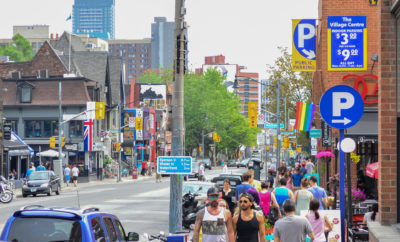
Little Italy is centred along College Street, west of Bathurst Street, with side streets that reward a slower wander. Restaurant patios become especially appealing in warmer months, while the colder season suits a steaming bowl of pasta and a glass of red wine indoors.
The neighbourhood’s Italian identity is part of a broader Toronto mix. Portuguese bakeries, Korean restaurants, Caribbean takeaways and contemporary bars sit within the same west-end orbit, giving a pasta outing more variety than a single cuisine stop.
Australian travellers may notice that dinner often starts earlier than in Melbourne or Sydney, particularly on weekdays. Booking around 6 pm can make it easier to find a table, while later diners should check kitchen closing times rather than assuming service continues past 10 pm.
Pasta Dishes Worth Seeking Out
Look for pasta made in-house, rolled or cut on the premises rather than simply described as Italian-style. Egg pasta should feel tender with a slight bite, while dried shapes such as rigatoni are best when they hold a robust tomato, meat or cheese sauce.
Filled pasta deserves special attention. Ravioli, tortellini and agnolotti reveal a kitchen’s precision through thin dough, balanced filling and a sauce that supports rather than overwhelms it. Seasonal ingredients may bring squash, mushrooms, braised meat or local greens to the menu.
A good order usually includes one classic and one speciality. Carbonara, cacio e pepe or ragù provide a useful benchmark, while a rotating chef’s pasta shows how the restaurant responds to Ontario produce and Toronto dining trends.
A Simple Way To Compare Your Stops
Pasta crawls work best when each venue has a clear role. A fresh pasta shop is ideal for buying dinner to cook at an apartment, while a trattoria offers the full experience of service, wine and a carefully finished plate.
Portions can be generous, so sharing a starter and ordering different pasta shapes is often more enjoyable than committing to two heavy mains. Toronto restaurants may add a service charge or expect a tip, so visitors used to Australian dining should check the bill before settling up.
The most useful signs of a strong pasta kitchen include:
- Pasta described as house-made, hand-rolled or prepared daily
- A short menu that changes with seasonal ingredients
- Sauces that match the shape and texture of the pasta
- Staff who can explain fillings, flour and preparation
- A busy dining room with steady local trade
Markets, Groceries And Takeaway Options
A restaurant meal is only part of the Little Italy pasta experience. Nearby Italian grocers and specialty food shops can provide dried pasta, imported tomatoes, Parmigiano-Reggiano, olive oil and fresh sauces for a meal later in the week.
This is especially practical for visitors staying in a self-contained apartment. Australian travellers accustomed to shopping at Woolworths, Coles or a local Melbourne market may enjoy the smaller specialist format, where staff recommendations can lead to regional cheeses, unusual shapes and better pantry staples.
For an easy takeaway plan, choose fresh pasta and sauce separately when possible. Pasta reheats more successfully when it is finished in a pan with a little sauce and cooking water, rather than microwaved until soft.
The Best Times To Visit
Weekday lunch is often the calmest period for exploring. It allows time to browse shops, take photographs and settle into a meal without the pressure of a fully booked evening service. Saturday afternoons bring more foot traffic and a livelier street atmosphere.
Aperitivo-style visits work well before dinner. Order a small drink and a snack, then continue to a restaurant once the neighbourhood starts filling up. Toronto’s licensed venues may have different service rules from Australian pubs and wine bars, so carry valid photo identification if you look under 25.
After pasta, the west end offers plenty of evening options. Those who enjoy live music can pair dinner with late-night jazz elsewhere in the city’s west end, creating a relaxed itinerary without packing every stop into Little Italy itself.
Pairing Pasta With Toronto’s Local Flavours
Although pasta is the focus, Toronto’s food culture encourages thoughtful detours. Ontario mushrooms, sweet corn, greenhouse tomatoes and autumn squash appear regularly on seasonal menus, adding a distinctly local character to familiar Italian preparations.
Canadian wine is another worthwhile pairing. Niagara Peninsula reds and whites are widely available around Toronto, and a server can often suggest a bottle or glass that suits a cream sauce, seafood pasta or slow-cooked ragù.
Coffee and dessert complete the outing. An espresso, gelato or small pastry keeps the meal connected to Italian tradition while leaving room for a final walk through the neighbourhood’s bars and independent shops.
Building A Full West-End Food Day
Little Italy is easy to combine with nearby areas, particularly for visitors who want more than a single restaurant booking. Start with a late breakfast or coffee, browse College Street, enjoy fresh pasta for lunch and then travel towards the lake or another west-end destination.
A visit to Mimico by the lake offers a contrasting Toronto mood, with quieter residential streets and waterfront scenery after the bustle of College Street. Public transport connections can take time, so allow extra space between meals and attractions.
Keep the day flexible around the food. Check opening hours, reserve popular dinner venues and remember that Toronto weather can shift quickly, especially in spring and autumn. Comfortable shoes, a light outer layer and a plan for leftovers make the pasta trail more enjoyable.
What To Order And How To Pace It
Start with one small shared plate, then choose a pasta that reflects the kitchen’s strengths. A rich lasagne or filled pasta may be satisfying on its own, while lighter dishes such as lemony seafood linguine can leave room for dessert and a second stop.
For a group, ordering different textures creates the best comparison: one long pasta, one short shape and one filled option. Ask whether the pasta is made in-house and whether the kitchen can adjust a dish for allergies, though changes may be limited during a busy service.
The most practical approach is simple: book an early table, share a starter, order one house-made pasta per person, and save room for a neighbourhood coffee or gelato.