The best spots for rollerblading along the waterfront
Toronto’s lakeside paths offer a lively mix of smooth pavement, open views, public art, beaches, parks, and skyline scenery. Whether you are planning a relaxed evening skate or a longer waterfront workout, the right route depends on surface quality, crowd levels, hills, and how comfortable you are around cyclists and pedestrians.
The Martin Goodman Trail connects many of the city’s most popular shoreline destinations, although it is not one uninterrupted skating lane. Short sections can be combined into a custom route, making it easy to build a loop that matches your pace. For neighbourhood guides, local events, and more city discoveries, browse 416 Mag.
Late spring through early fall is the most enjoyable season for inline skating. Go early for quieter paths, or visit near sunset for cooler temperatures and dramatic views across Lake Ontario. Always check construction notices before setting out, since waterfront access can change during festival season and major park upgrades.
Humber Bay Park for open views
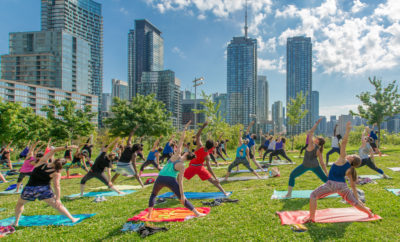
Humber Bay Park East and West are among the most rewarding places to begin a waterfront skate. The paved paths wind beside the lake with broad views toward downtown, while grassy areas and rocky shorelines create plenty of places to pause. The route is especially attractive around sunset, when the skyline glows across the water.
The park paths are generally approachable for recreational skaters, but expect walkers, cyclists, dogs, and occasional uneven patches. Staying aware is important near park entrances and narrower curves. A gentle out-and-back route from the Humber Bay Arch Bridge is enough for a short session, while stronger skaters can connect toward the Sunnyside area.
Sunnyside and Ontario Place for a longer cruise
Sunnyside Park provides a scenic western extension with beaches, lawns, and historic waterfront architecture. The Martin Goodman Trail here is popular with commuters and fitness enthusiasts, so it rewards a controlled pace rather than fast downhill skating. Morning sessions tend to be calmer, especially on weekends.
Heading east, the route approaches Exhibition Place and Ontario Place. These areas provide an urban backdrop, wide sightlines, and opportunities to stop near cafés, patios, or event spaces. Surface conditions can vary around construction zones, and busy festival days may make this stretch better for casual rolling than focused training.
Central waterfront routes with convenient stops
The stretch around Harbourfront Centre, HTO Park, and the Toronto Music Garden is ideal for skaters who want scenery and easy access to amenities. The path passes marinas, public art, boardwalk-style overlooks, and landscaped parks. It is a strong choice for visitors who want to combine skating with a waterfront walk or a meal nearby.
This central section can become crowded in the afternoon, particularly during warm-weather events. Use a bell or a clear verbal signal when passing, keep right where possible, and slow down near pedestrian crossings. Riders interested in the city’s hidden layers can pair a waterfront outing with this look at Toronto’s underground history.
| Route area | Best for | Surface and atmosphere | Ideal timing |
|---|---|---|---|
| Humber Bay Park | Scenic recreational skating | Open, park-like, lake views | Early morning or sunset |
| Sunnyside | A steady west-end cruise | Active trail with beach views | Weekday mornings |
| Harbourfront | Short urban outings | Busy, central, amenity-rich | Morning or early evening |
| Sugar Beach | Easy sightseeing stops | Flat, polished, highly social | Weekday afternoons |
| Cherry Beach | Longer east-end sessions | Quieter stretches with mixed traffic | Weekend mornings |
Sugar Beach and the eastbound shoreline
Sugar Beach is a convenient starting point for a short downtown skate. Its bright umbrellas, waterfront promenade, and views of the port make it a memorable stop, though the immediate area is more suited to relaxed rolling than speed. The nearby paths can be busy with office workers, tourists, and families.
From the central waterfront, skaters can continue toward the Port Lands when access and trail conditions permit. The landscape becomes more industrial and spacious, with fewer storefronts and services. Bring water and plan your turnaround before committing to a longer ride, since some sections have limited shade.
Cherry Beach for a quieter finish
Cherry Beach appeals to skaters who prefer a less crowded setting and a more natural shoreline. The route near the beach offers a calmer atmosphere than Harbourfront, with views of boats, trees, and the changing Port Lands skyline. It works well for a moderate session that includes several pauses beside the water.
Trail users should expect mixed conditions in some areas, including cracks, gravel, and shared paths. This is a better destination for confident skaters with reliable stopping skills than for someone wearing inline skates for the first time. Wind can also be stronger near the lake, so check the forecast before planning a long east-end trip.
Plan for comfort and control
Good equipment makes the waterfront much more enjoyable. Well-fitted skates, wrist guards, knee pads, and a helmet reduce the consequences of falls, while clear lenses can help with glare during a sunset ride. Softer outdoor wheels are often more forgiving on rough pavement than small indoor wheels.
Before leaving, check your brakes, tighten loose hardware, and carry a small repair kit. Pack water, sunscreen, and a light layer for changing lakefront temperatures. If you are travelling by car, confirm parking rules; public transit access is often easier around Harbourfront, Exhibition Place, and the Humber Bay area.
Choose a route that matches your session
Use these recommendations to shape a safer, more enjoyable outing:
- Choose Humber Bay Park for skyline views, open space, and a relaxed sunset skate.
- Start at Harbourfront or Sugar Beach when you want cafés, attractions, and convenient transit nearby.
- Select Sunnyside for a longer west-end route with a steady recreational rhythm.
- Try Cherry Beach when you prefer quieter scenery and already have confident stopping skills.
- Skate early in the day during summer weekends to avoid the busiest pedestrian traffic.
Toronto’s waterfront is best explored in sections rather than treated as a single uninterrupted course. Pick one neighbourhood, allow time for stops, and respect the shared path so cyclists, walkers, and skaters can enjoy the shoreline together. Lace up, check the route before heading out, and make your next lakefront session part of your Toronto city guide.