The designers shaping Toronto’s next fashion week moment
Toronto’s runway culture is becoming more visible, more varied, and more closely tied to the city’s neighborhoods. Alongside established fashion institutions, independent designers are building audiences through studio appointments, gallery presentations, pop-up shops, and social media launches.
This growing scene reflects Toronto itself: multicultural, practical, experimental, and full of people moving between creative disciplines. A designer may show a formal collection one season, collaborate with a musician the next, and sell directly to customers at a local market soon after.
Fashion Art Toronto, Toronto Fashion Week, and smaller community showcases have helped create space for these voices. The result is a fashion calendar that feels less centralized and more connected to the people who live, work, and create across the city.
Runways rooted in the city
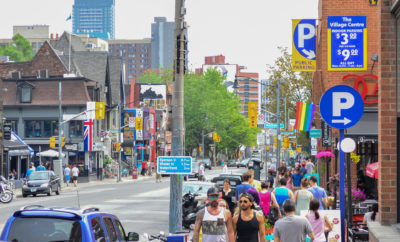
Toronto designers often treat the city as more than a backdrop. Streetscapes, public transit, nightlife, architecture, and immigrant communities all influence the colors, materials, and styling seen on local runways. Collections frequently carry a sense of movement, reflecting a city where cultures and creative scenes overlap every day.
That connection is visible in the choice of venues, too. Runway presentations may appear in converted warehouses, art galleries, hotel spaces, or independent retail shops rather than traditional fashion halls. This approach makes shows feel accessible and gives audiences a stronger sense of the people and places behind each label.
Designers bringing distinct perspectives
Lesley Hampton’s work is recognized for its celebration of Indigenous identity, while Hilary MacMillan has developed a bold, emotionally direct approach to womenswear. Their collections demonstrate how Toronto fashion can be polished and highly wearable while still engaging with culture, identity, and personal storytelling.
Labels such as Narces bring a refined eveningwear sensibility to the local scene, while designers including Sid Neigum have pushed Toronto fashion toward sculptural forms and experimental construction. Izzy Camilleri, meanwhile, has helped broaden conversations around adaptive clothing and inclusive design, showing how innovation can address everyday needs.
A closer look at Toronto labels
The city’s fashion ecosystem includes designers with different aesthetics, business models, and relationships with the runway. Some focus on made-to-measure garments, others produce limited collections, and many combine fashion with costume, styling, or visual art.
| Designer or label | Recognizable strength | Place in the local scene |
|---|---|---|
| Lesley Hampton | Indigenous-inspired contemporary womenswear | Brings cultural storytelling and modern tailoring to major showcases |
| Hilary MacMillan | Expressive, colorful ready-to-wear | Connects runway drama with accessible fashion |
| Narces | Elegant evening and occasionwear | Represents Toronto’s polished red-carpet sensibility |
| Sid Neigum | Sculptural silhouettes and experimental construction | Adds conceptual edge to the city’s fashion conversation |
| Izzy Camilleri | Adaptive and inclusive clothing | Expands the definition of practical, dignified design |
These names also show why Toronto’s emerging fashion week scene cannot be reduced to one look. Minimalism, glamour, streetwear, heritage craft, and avant-garde design all share the same calendar. That variety gives buyers, stylists, editors, and the public more reasons to keep attending.
Where fashion meets other creative scenes
Local designers benefit from Toronto’s dense network of photographers, filmmakers, musicians, dancers, makeup artists, and set designers. A runway show can become a complete visual production, with sound, lighting, movement, and styling shaping how an audience understands the collection.
The city’s food and nightlife cultures contribute to that atmosphere. After a show, guests may continue the evening at an independent restaurant, a neighborhood bar, or one of Toronto’s microbreweries. These connections make fashion feel part of a wider local lifestyle rather than an isolated industry event.
The value of independent fashion events
Large runway programs create visibility, but smaller showcases often provide the most direct connection between designer and customer. At a studio event or community market, shoppers can ask about fabric, fit, production, and inspiration. That conversation is especially important for labels producing in limited quantities or working with local makers.
Independent events also give newer designers room to test ideas. A capsule collection, live styling session, or collaborative presentation can generate useful feedback before a label invests in a full seasonal line. For audiences, these events offer a chance to discover talent before it reaches wider Canadian and international attention.
What to watch at the next showcase
Toronto fashion week programming is worth following for the people and details that do not always make mainstream headlines. Look beyond the closing walk and notice the construction, the casting, the venue, and the local partnerships supporting each presentation.
- Follow emerging labels on social media for pop-ups and sample sales.
- Attend student showcases and independent designer presentations.
- Look for collections using local production, deadstock, or small-batch methods.
- Support designers by purchasing directly when possible.
- Share runway coverage that highlights the creative teams behind each show.
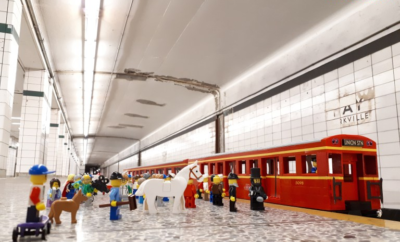
The city’s visual history adds another layer to these events. A presentation staged near downtown passageways or repurposed infrastructure can echo Toronto’s underground network, linking new clothing to the hidden routes and layered architecture that define the urban experience.
Building a lasting fashion culture
For Toronto’s designers, visibility is only one part of the challenge. Sustainable growth depends on affordable production space, reliable local manufacturing, media coverage, retail opportunities, and audiences willing to invest in independent work. Fashion week can open the door, but a strong year-round network keeps labels active.
That network is already taking shape through designers, stylists, photographers, educators, boutiques, and community organizers. Their combined work is making Toronto fashion more confident and more representative of the city’s many identities.
Explore the next runway announcement, visit a local designer’s studio, and make room in your wardrobe for Toronto-made creativity. Supporting these labels helps turn a promising fashion week scene into a lasting part of the city’s cultural life.