Toronto fabric and notion stores for quilters and costume makers
Toronto rewards makers who enjoy browsing. A single afternoon can take you from tightly stacked quilting cottons to theatrical brocades, Japanese trims, vintage buttons and practical zippers, with neighbourhood cafés close by for a reset between shops.
For Australian visitors, the shopping language may take a little adjustment. Toronto stores commonly use “notions” for haberdashery, fabric is sold by the yard rather than the metre, and prices usually exclude Ontario’s 13% HST. Winter-weight wool, fleece and coating fabrics also have a stronger presence than they do in many Australian collections.
The best approach is to match the store to the project. A patchwork quilt needs dependable cottons and accurate cutting tools, while a cosplay build may require stretch fabric, foam, boning, metallic trims or an unusually large quantity of lining. This guide focuses on places where that distinction matters.
| Store or area | Best suited to | What to expect | Useful for |
|---|---|---|---|
| The Workroom | Modern quilting and sewing | Curated fabrics, patterns and classes | Contemporary quilts, gifts, beginner support |
| Designer Fabrics | Dressmaking and costume work | Broad fashion-fabric selection | Silks, wool, linen, lining and special garments |
| King Textiles | Upholstery, apparel and theatrical projects | Large warehouse-style inventory | Brocades, faux fur, leather-look cloth and basics |
| Affordable Textiles | Budget-conscious makers | Value-focused rolls and remnants | Muslins, linings, craft tests and bulk fabric |
| Fabricland | Everyday sewing supplies | Chain-store range and frequent promotions | Thread, interfacing, zips, elastic and emergency finds |
Start with a fabric crawl
The Workroom on Queen Street West is a natural first stop for quilters who prefer a carefully edited selection. Its modern quilting cottons, patterns, tools and workshops suit makers who want guidance as well as materials. The atmosphere feels closer to a creative studio than a warehouse, making it a comfortable place to compare colour families and discuss construction choices.
For a broader Toronto orientation, the 416 Mag local guide is useful background reading before planning a neighbourhood day. Pair a shop visit with independent cafés, galleries or vintage stores nearby, but leave room in your bag: Canadian fabric shops often sell appealing fat quarters, remnants and small trims that are easy to overlook online.
Choose quilting cotton with a plan
Quilters should arrive with a rough palette, even if the final design is flexible. Toronto’s independent shops often carry low-volume prints, modern geometrics and richly coloured solids that work well for contemporary patchwork. Ask whether a cotton is quilting weight, apparel weight or a blend before buying; the difference affects pressing, shrinkage and seam stability.
Australian makers will recognise the appeal of pre-cuts, fat quarters and wide backing fabric, although dimensions may be listed in inches. A fat quarter is generally a quarter-yard cut, so check the actual size rather than converting by eye. Buy a little extra for directional prints, and pre-wash fabric if the quilt will be laundered regularly.
Find costume fabric beyond the basics
Designer Fabrics is well suited to dressmakers, historical-costume enthusiasts and performers looking for a fabric with presence. Depending on current stock, shoppers may find wool coating, linen, velvet, satin, lace, silk, rayon and lining materials. The selection changes, so a swatch, pattern envelope or reference image is more useful than relying on a fixed online catalogue.
King Textiles and Affordable Textiles are valuable when the project needs drama, quantity or experimentation. Look for brocade, faux fur, mesh, sequins, vinyl, upholstery remnants and inexpensive cloth for mock-ups. Costume makers should inspect the reverse side, stretch direction and opacity under shop lighting; a fabric that looks perfect on the roll may need a lining or stabiliser.
Treat notions as part of the design
Notions can determine whether a project looks polished. Search for the right zip length, thread weight, hook-and-eye style, elastic recovery, fusible interfacing and needle type before cutting into expensive cloth. Fabricland can be practical for these routine supplies, particularly when a project needs a replacement zip or matching thread immediately.
Specialist shops may have more distinctive details: vintage-style buttons, woven labels, bias tape, ribbons, cord, snaps and unusual fasteners. Australian shoppers used to calling these items haberdashery will find that “notions” is the standard Canadian term. Take the garment pattern with you, because staff can often help calculate trim quantities or suggest a substitute for a discontinued item.
Plan around Toronto’s shopping geography
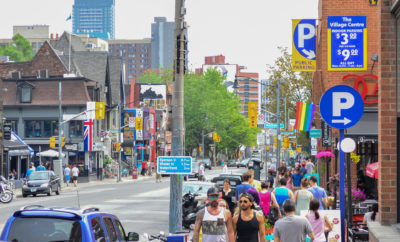
Toronto is spread out, and a fabric crawl can become tiring when carrying rolls or heavy books. Queen West works well for a creative day around The Workroom, while other textile suppliers may require a streetcar, subway connection or rideshare. Check opening hours before travelling, especially on Sundays, public holidays and during winter storms.
A break outdoors can make the day more enjoyable. If the weather is mild, the Don River bike trails offer a useful contrast to crowded retail streets, though fabric shopping and cycling are best treated as separate outings if you are carrying purchases. Toronto’s winter slush also makes a sturdy tote and waterproof footwear worthwhile.
Shop smart as an Australian visitor
Australian makers need to account for currency conversion, HST, luggage space and the difference between yards and metres. Canadian prices shown on a shelf generally receive tax at checkout, while imported tools, specialty fabric and online orders can carry delivery costs. If returning home with a large haul, keep receipts and check current Australian customs and airline baggage rules.
These habits make the search more efficient:
- Bring pattern envelopes, swatches and a written supply list.
- Convert yardage before shopping, then add extra for directional prints.
- Check fabric width, fibre content and care instructions on every bolt.
- Compare specialist-shop prices with sale pricing at larger retailers.
- Look through remnants for costume tests, quilt bindings and small projects.
- Pack a foldable duffle or reinforced fabric tote for purchases.
- Ask about final-sale cuts before requesting a full length.
Toronto’s retail scene also rewards patience. A shop may have one remarkable bolt rather than a complete colour range, and warehouse staff may be able to locate stock that is not displayed prominently. For Australian visitors, that slower browse can feel different from a quick Spotlight run, but it is often where the most distinctive material turns up.
Match the store to the finished piece
A quilt built around accurate piecing should begin with The Workroom or another quilting-focused supplier. A tailored coat, corset, stage costume or cosplay commission deserves the wider and more tactile inventory of Designer Fabrics, King Textiles or Affordable Textiles. Fabricland remains useful for dependable basics, especially when the missing item is thread, elastic or interfacing rather than the star of the project.
Leave flexibility for local discoveries. Toronto’s independent maker culture overlaps with its food, design and community scenes, and a fabric trip can easily become part of a larger city day. Even a brewery visit can reveal how local businesses connect with regional producers, as explored in Toronto’s fresh hops story, although any delicate fabric should stay safely out of the tasting-room adventure.
Before leaving, photograph the bolt label, record the fibre content and note the store where each piece came from. Then choose one neighbourhood, one primary shop and one backup supplier for your next Toronto visit, beginning with a measured shopping list in both yards and metres.