Toronto’s pop-up record fairs and the vinyl hunters
On a bright Toronto weekend, folding tables take over asphalt outside a shop, café or community hall. Milk crates sag under LPs, test pressings stand beside bargain-bin finds, and a portable turntable turns a queue into an impromptu listening session.
A pop-up fair combines the compressed energy of a market, festival and record store. Regular dealers return with packed boxes, while first-time visitors arrive to browse, trade and talk. Limited opening hours create urgency, but the strongest fairs feel communal rather than purely transactional.
For Australian listeners, Toronto’s pop-up record fairs and the vinyl hunters who attend offer a change of scenery from Sydney’s inner-suburb shops, Melbourne’s laneway venues and Brisbane’s outdoor markets. Canadian labels, unfamiliar cover art and local music history shape the hunt.
The richest discoveries rarely come from the most expensive crate. They emerge when a collector reads a label, checks a sleeve and understands how a pressing, reissue or private pressing might fit a collection.
A fair built for the weekend
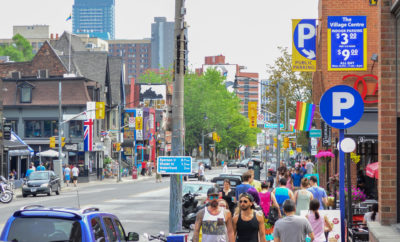
Toronto fairs often move among boutiques, cafés, warehouses and community rooms rather than settling in one permanent home. Neighbours arrive for lunch, browsers stay for a DJ set, and a quiet hall can fill with several genres in an afternoon.
| Fair feature | Toronto pop-up record fair | Australian weekend record market |
|---|---|---|
| Setting | Dense dealer tables, shared turntables and quick foot traffic | Wider aisles, café queues and mixed flea-market stalls |
| Currency | Prices usually appear in Canadian dollars | Retail prices generally appear in Australian dollars, including GST |
| Weather | Snow, wind or summer heat can affect open-air queues | Sydney humidity, Melbourne gusts and Brisbane heat demand sleeve protection |
| Common finds | Canadian punk, indie, jazz, disco and archive pressings | Australian rock, soul, rare 45s and local-label reissues |
| Selling rhythm | Negotiation suits clean used copies and boxed sets | Cash still matters, but EFTPOS and card payments are common |
The temporary format makes neighbourhood choice meaningful. A Kensington Market side street, Queen West storefront or Parkdale hall can give two similar fairs different crowds, sound systems and bargaining styles.
Why the crate hunters return
Condition drives value, yet knowledge changes what a buyer sees. A clean original pressing with a strong sleeve may matter more than a dramatic copy with a noisy surface. Test pressings, mono editions and Canadian first pressings attract specialist attention, while reissues can deliver the same music at a friendlier price.
The emotional return matters too. Sellers remember regulars, recommend local artists and play a track before the sale closes. A fair rewards patience: spend time with one crate, compare nearby tables, then decide whether a record is genuinely scarce or merely presented as rare.
Music, sleeves and Toronto store culture
The soundtrack shifts from punk and indie rock to jazz, soul, disco and electronic cuts, often following the dealer at the nearest turntable. Canadian labels and studio recordings add a Toronto layer, while imports connect the room to scenes in Detroit, London, Bristol and Sydney.
That mix of browsing and conversation resembles the easy rhythm of Toronto’s independent book bars, where novels, readings and informal discussion share a table. A record stall works best when discovery includes the person beside you, not only the object in your hand.
How Australian collectors read the market
In Sydney, coastal humidity and salt make sleeve care a real concern at weekend flea markets; new purchases need shade, clean inner sleeves and a quick trip home. Melbourne offers a different rhythm through laneway cafés, specialist stores and the strong queues often seen for Australian Record Store Day editions.
Brisbane’s subtropical heat rises quickly while buyers inspect vinyl outdoors, so water and a rigid carrying case matter. In Perth, distance from the eastern states keeps freight and postage prices relevant, making fair-day finds more likely to travel by post.
Australian pricing customs also need attention. Sellers commonly quote AUD with GST included, use EFTPOS or cards, and may prefer cash for small bargains. Convert prices before the excitement of a scarce pressing takes over.
Turning a fair into a Toronto weekend
Build the day around the announced venue, then use Toronto’s streetcar, subway and bike lanes to connect nearby stops. Kensington Market suits a slow browse, Queen West adds shops and dining, Parkdale brings independent storefronts, and Leslieville offers a relaxed eastern finish.
On a clear day, extend the outing toward the waterfront and the Toronto Islands’ amusement history, another reminder that Toronto’s neighbourhood culture extends beyond downtown retail. Keep purchases shaded and use a padded bag if a ferry or outdoor walk forms part of the route.
The fair-day kit for vinyl hunters
Arriving early gives the best choice of crates without sacrificing the atmosphere that develops later. A practical collector separates browsing gear from buying decisions and remembers that a fair day involves walking, standing, carrying and negotiating.
Before the doors open
- Confirm the venue, opening hours, payment methods and bag policy on the organiser’s event page.
- Bring a reusable shopping bag, rigid outer case and acid-free inner sleeves for protective storage.
- Set a Canadian-dollar spending limit and choose two genres to investigate before browsing widely.
- Carry some cash for smaller dealers, while keeping a card available for higher-value purchases.
Once inside, work in deliberate passes. A focused hunt is usually more productive than racing between every table, especially when an original pressing has survived years of storage.
Inside the stalls
- Start with one well-stocked dealer, record any omissions, then compare prices at nearby tables.
- Ask for a quiet playback of promising records rather than judging them from a noisy shared speaker.
- Inspect the vinyl for warps, scratches and pressing faults, then check the sleeve for splits, fading or repairs.
- Keep a separate wish list for trading, since useful duplicates often appear after the initial buying rush.
- Photograph valuable sleeves, note label and matrix details, and keep the receipt for insurance or resale.
Leave with purchases protected and the strongest finds written down. A dealer contact or online reference may turn a fair-day discovery into a longer-term addition without encouraging unnecessary buying.
The next fair on the calendar
Toronto’s pop-up record fairs succeed because they make collecting social. A rare LP is one layer, but the shared pleasure of digging, trading and discovering a local pressing brings browsers back with new friends and sharper knowledge.
Organiser announcements and wider neighbourhood listings can be checked through 416 Mag’s city guide. The final pre-fair check is the organiser’s posted hours and accepted payment methods.