Hunting for Authentic Portuguese Custard Tarts in Kensington Market
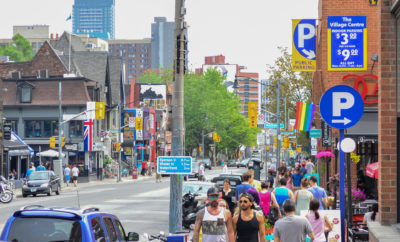
Kensington Market hums with the kind of layered chaos Sydneysiders might compare to a Saturday morning at Carriageworks, or Melburnians to a wander down Acland Street on a slow Sunday. Tucked just west of Toronto's downtown core, this bohemian enclave has long been a haven for waves of newcomers, and among the strongest threads in its cultural fabric is the Portuguese-Canadian community. Travellers landing from Brisbane or Perth often find the market's compact grid of Victorian shopfronts oddly familiar, like the inner-west bohemian corners of Sydney's Newtown. Yet what consistently stops visitors mid-stride is the scent drifting from small bakeries, where caramelised custard tarts cool on wire racks behind foggy glass.
There is something quietly theatrical about biting into a proper pastel de nata. The shell shatters with the first press of teeth, giving way to a custard that trembles between wobble and set, then finishes with the bittersweet char of burnt caramel. Few experiences capture the Portuguese diaspora's warmth quite like this pastry, and Kensington Market holds some of the most genuine renditions outside Lisbon itself.
The Portuguese Bakeries of Kensington Market
Toronto's Portuguese community began settling in and around Kensington in the 1950s, and the bakeries that anchor the neighbourhood today are often third- or fourth-generation family operations. Unlike the polished patisseries of Yorkville, these spots keep their signage hand-painted and their display cases crowded. The most storied names still work from the same wood-fired ovens their grandparents hauled across the Atlantic.
Visitors who have spent time wandering the cobbled lanes of Lisbon's Alfama will recognise the rhythm here: cases refilled twice daily, queues that move at conversational pace, and a refusal to rush anything served warm. Many of the bakers trained in the Azores before emigrating, bringing with them recipes that never made it onto mainland trend lists.
What Makes a Custard Tart Truly Authentic
A genuine pastel de nata leans on a handful of uncompromising details. The pastry is puff dough laminated to a fine, crackling crisp, never a soft shortcrust. The custard is built from whole milk, sugar, egg yolks, and a whisper of lemon zest, with no cornstarch filler or vanilla afterthought. The defining moment is the final blast of oven heat, which scorches the surface into those signature black-speckled patches.
Distinguishing an authentic tart from a generic bakery version is easier than Melburnians picking a real flat white from a diluted imitation. The centre should still tremble when tapped, the base should stay shatter-dry rather than soggy, and the top should carry that leopard-spotted scorch that Portuguese bakers call the "burnt cat" look. Skip anything that looks pale, glossy, or uniform; the best tarts carry a little chaos on the surface.
Where the Tarts Hide in the Market
A short walking loop covers the densest cluster of authentic spots, all within five blocks of each other:
- The corner bakery at Augusta and Baldwin, where the oven has run since the 1970s and the tarts are pulled in batches of twelve.
- A family-run shop near St Andrew's, famous for a lemon-rind custard that borders on marmalade in its intensity.
- A newer stall off Nassau Street, run by second-generation bakers who bake through the night and open at dawn.
- The unmarked counter inside a spice shop on Kensington Avenue, where tarts are sold warm from a back kitchen.
Each spot has its own cult following, and serious pastry hunters often sample three or four before committing to a favourite. The fun lies in the comparison, much like queueing for coffee at multiple Melbourne laneway cafes in a single morning.
Pairing Tarts with Coffee and Culture
A pastel de nata is rarely eaten alone, and Kensington offers plenty of thoughtful companions. The neighbourhood's coffee culture rivals anything in Adelaide's Central Market precinct, with beans roasted in small batches just a few doors away. Pairing rituals vary by stop, and these combinations travel especially well:
- A single espresso alongside a warm tart pulled straight from the oven.
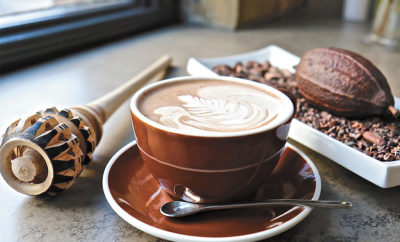
- A galão-style milky coffee, popular among Azorean descendants, served in a thick ceramic cup.
- A small glass of tawny port for late-afternoon tarts, particularly during cooler months.
- A handful of toasted almonds or a slice of fresh sheep's cheese from the Portuguese grocer across the lane.
- A wander through the neighbouring vintage shops to walk off the sugar.
Several of the bakeries double as informal community hubs, where regulars trade weekend gossip and family news. Sitting at a corner table feels closer to dropping into a mate's kitchen than a transactional cafe stop.
Planning a Trip from Down Under
Kensington Market rewards slow exploration, and Australians used to long-haul travel will find Toronto's rhythm more approachable than expected. Direct flights from Sydney and Melbourne to Vancouver, with quick connections east, are now common, and the city reads as a comfortable hybrid of familiar Western infrastructure and surprising local edge. Visiting between late spring and early autumn brings the best bakery weather, with outdoor patios opening across Augusta Avenue and live music spilling from nearby bars.
Cash still helps at some of the older bakeries, though most take cards with a modest surcharge. Bringing a tote bag is wise, since many spots will slip an extra tart into the bag for the road. For readers mapping out a broader trip, neighbourhood guides pair well with a pastry-led afternoon.
The cleanest way to end a Kensington morning is simple: buy one more tart than you think you need, walk south to the water at Queens Quay, and eat the bonus one while watching the harbour. It is the kind of small ritual that turns a long-haul trip into a story worth retelling.