Where to Find Portuguese Pastries in Little Portugal
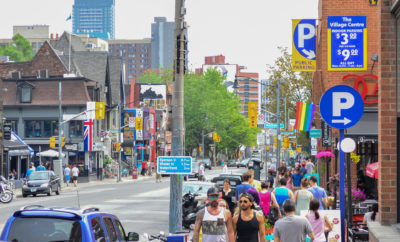
Toronto’s Little Portugal is one of the best places in the city to experience the flavours of Portugal without leaving Dundas Street West. Alongside colourful storefronts, family-run restaurants, and cafés, local bakeries offer custard tarts, sweet breads, laminated pastries, and savoury snacks throughout the day.
The neighbourhood’s pastry culture reflects generations of Portuguese immigration. Recipes have been adapted to Toronto life, yet many bakeries still prepare familiar sweets in the traditional style, often using recipes passed down within the same family.
For a broader look at Toronto’s neighbourhoods, food spots, and cultural happenings, explore Toronto neighbourhood coverage from 416 Mag before planning your pastry crawl.
Start With A Pastel De Nata
The pastel de nata is the essential first stop. This small Portuguese custard tart has a crisp, blistered pastry shell and a softly set centre flavoured with egg yolk, sugar, citrus, and cinnamon. The best examples are served warm, when the pastry is still delicate and the custard has a gentle wobble.
In Little Portugal, look for bakeries along Dundas Street West and the surrounding west-end streets. Nova Era Bakery is a dependable choice for classic Portuguese baking, with pastries made for takeaway, breakfast, or a quick afternoon break. Ask whether a fresh batch has just come from the oven; timing can make a noticeable difference.
A good pastel de nata should balance richness with restraint. The custard should taste eggy and fragrant rather than overly sweet, while the pastry needs enough structure to hold its shape without becoming tough.
Explore More Than Custard Tarts
Pastéis de nata receive the most attention, but Portuguese bakeries offer a much wider selection. Try a bola de Berlim, a soft, sugar-dusted doughnut traditionally filled with custard. Some Toronto bakeries offer variations filled with chocolate, cream, or fruit jam.
Pão de Deus is another worthwhile discovery. This tender, slightly sweet roll is topped with a coconut mixture that becomes golden in the oven. It works equally well with coffee in the morning or as a snack for the walk home. Queijadas, small cheese-based cakes, are also popular for their dense, lightly sweet texture.
For something savoury, check the heated counter for croquettes, codfish cakes, bifanas, or small meat-filled pastries. These are useful choices when a pastry crawl needs a break from sugar.
Bakeries Worth A Visit
Nova Era Bakery remains one of the most recognizable names in Toronto’s Portuguese food scene. Its selection usually includes custard tarts, sweet rolls, cakes, cookies, sandwiches, and savoury prepared foods. The atmosphere is practical and busy, which is part of the appeal: customers often arrive for a single tart and leave with a full box.
Caldense Bakery, with locations across Toronto, is another important Portuguese-Canadian institution. While not every location sits directly inside Little Portugal, its bakeries are worth considering when exploring the broader west end. The counters often feature traditional pastries alongside breads, celebration cakes, and lunch items.
Small independent cafés and neighbourhood bakeries around Dundas West can also be rewarding. Their offerings may change by the day, so look for crowded counters, fresh trays, and Portuguese-speaking staff—useful signs that a shop has a strong local following.
| Pastry | What To Expect | Best Time To Try It |
|---|---|---|
| Pastel de nata | Crisp shell with warm egg custard | Morning or late afternoon |
| Bola de Berlim | Soft doughnut filled with cream or jam | Midday snack |
| Pão de Deus | Sweet roll with toasted coconut topping | Breakfast |
| Queijada | Dense, lightly sweet cheese cake | Coffee break |
| Codfish cake | Savoury fritter with salted cod and potato | Lunch or early evening |
Plan A Dundas Street West Crawl
A pastry outing works best when treated as a relaxed neighbourhood walk rather than a race between bakeries. Begin near the western stretch of Dundas Street West, choose one classic custard tart, and share larger items so there is room to sample several styles.
The area is easy to pair with independent shops, murals, galleries, and cafés. Take time to compare pastry texture and filling instead of judging every bakery by sweetness alone. One shop may excel at flaky dough, while another may be known for coconut breads or celebration cakes.
Weekday mornings are often calmer and offer the best chance of finding freshly baked items. Saturdays bring more energy, but popular pastries can sell quickly. If you are visiting with a group, arrive early and ask for a mixed box.
Know What Makes It Authentic
Authenticity is about more than a Portuguese name on the sign. Look for bakeries that prepare several traditional items, use Portuguese terminology, and serve a mix of everyday breads, pastries, savoury foods, and special-occasion cakes. A broad selection usually signals a deeper connection to the food culture.
Texture is another clue. Traditional Portuguese pastries tend to have clear contrasts: crisp pastry against creamy custard, soft bread beneath toasted coconut, or a crisp exterior around a savoury filling. Items should taste fresh rather than heavily refrigerated or excessively sugary.
Coffee is part of the experience. Order a bica-style espresso or a small café alongside your pastry, then enjoy it at the counter or on a nearby bench. If your crawl continues into the evening, browse 416 Mag’s rooftop patio guide for another way to extend a day in the city.
Build A Better Pastry Stop
Keep these practical tips in mind when exploring Portuguese bakeries in Little Portugal:
- Visit before lunchtime for the best chance of finding warm pastries.
- Bring cash or check payment options before ordering a large mixed box.
- Ask staff which item was baked most recently.
- Share rich pastries so you can sample both sweet and savoury choices.
- Carry a container if you plan to take custard tarts home.
Little Portugal rewards visitors who slow down and sample beyond the familiar pastel de nata. Start with a warm custard tart, add a coconut-topped roll or filled doughnut, and finish with coffee at a neighbourhood bakery. Then take your own pastry route through Dundas Street West and support the local businesses keeping Toronto’s Portuguese baking traditions alive.