Where to find Toronto’s most colorful street art in Graffiti Alley
Finding Toronto’s most colorful street art in Graffiti Alley begins with a useful correction: the celebrated lane is officially Rush Lane. It opens off Queen Street West between Bathurst Street and Spadina Avenue, putting a dense concentration of murals, tags and paste-ups within a short walk of downtown hotels and transit.
The surrounding Queen West and Kensington area mixes street art with independent shops, cafés and small galleries. For more Toronto culture and city guides, 416 Mag makes a useful companion. Treat the lane as active work: photograph freely where permitted, but never touch walls or add a mark.
Find the real Graffiti Alley
Queen Street West is the easiest landmark. Approach from Spadina or St Andrew station, then follow the signs and stairways into the narrow passage; “Graffiti Alley” lettering and layers of paint make the entrance recognisable.
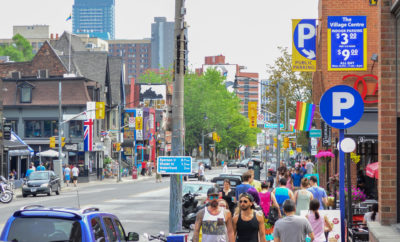
The route is short, but allow 60 to 90 minutes because many walls reward a slower look. Busy Queen West sidewalks contrast with quieter corners inside the lane. Access can change for filming or building work, so recent street-level photos help when a section is blocked.
Understand the murals and street markings
The walls combine large character pieces, bold lettering, geometric designs, stencils and quick tags. Some work is commissioned, while other pieces appear without permission; fresh paint and older, weathered layers can occupy the same brickwork.
That mixture makes Graffiti Alley visually richer than a conventional mural park. It also means the record changes constantly, and authorised murals may be repainted. Street art and illegal tagging are not interchangeable: touching a surface, entering a restricted doorway or adding paint can damage work and create legal trouble.
Compare Toronto’s strongest street art stops
Rush Lane offers the densest all-in-one experience. Other neighbourhoods provide larger murals, different surfaces and a less concentrated atmosphere, making them useful companions on a wider route.
| Stop | Best for | What to expect | Planning note |
|---|---|---|---|
| Graffiti Alley, Queen West | Constantly changing street art | Dense murals, tags and paste-ups | Allow 60–90 minutes and visit in daylight |
| Kensington Market lanes | Stickers, wheatpaste and storefront colour | Narrower pockets with frequent wall changes | Combine with cafés and market stalls |
| The Well | Large commissioned pieces | More monumental work and open courtyards | Check access and opening hours before visiting |
| Junction Triangle | Neighbourhood-scale murals | Rotating work around Dundas West and Keele Street | Pair the route with local cafés and shops |
| Broadview Avenue | Standalone murals near Chester Station | A changing corridor of larger pieces | Allow extra time for the wider walk |
For a first visit, Rush Lane remains the strongest choice for variety in a compact area. Kensington suits browsers, The Well offers cleaner design, and the eastern corridors feel more like neighbourhood street art than a single destination.
Fit the visit into an Australian traveller’s day
Melbourne’s Hosier Lane and Sydney’s laneways around Surry Hills and Redfern provide familiar reference points for Australian street-art fans. Toronto’s advantage is concentration and turnover: major pieces sit close together, but artists keep repainting the same high-traffic walls.
Calling the outing an arvo fits Australian custom, and the route works well as an afternoon before dinner. The TTC accepts PRESTO and contactless cards, so visitors can tap a compatible Australian Visa or Mastercard at subway gates. Queen West also connects easily with St Lawrence Market and Kensington.
Pair the murals with food and neighbourhood life
Queen West’s restaurants and Kensington’s food streets make the lane easy to combine with a meal. Australian marketgoers may recognise the mix of produce, delis and casual counters at St Lawrence Market, closer in spirit to Melbourne’s Queen Victoria Market than to a conventional supermarket.
Lunch also opens up nearby design shops, record stores and gallery spaces, so the area works beyond a quick mural stop. Choose a quieter weekday if the priority is photography; weekends bring excellent street energy but more foot traffic, deliveries and restricted access around businesses.
Extend the route across Toronto
If the lane is one stop in a longer city day, Toronto has several distinct street-art districts:
- Kensington Market lanes: Wheatpaste, stickers and smaller interventions sit close to vintage stores and Asian groceries.
- The Well: Monumental commissioned murals create a polished contrast to Rush Lane’s layered walls.
- Junction Triangle: Public art around Dundas West and Keele Street brings murals into a residential shopping district.
- Broadview Avenue: Chester Station anchors a corridor of changing, often larger-scale pieces.
- Distillery District: Historic brick lanes feature commissioned public art and provide a gentler, family-friendly contrast.
Each destination rewards a separate time block rather than a rushed checklist. Kensington and The Well fit naturally with Queen West; the Junction Triangle and Broadview work better as half-day additions linked by the TTC.
Keep a practical checklist for changing artwork
Recent photographs show what survived, but they cannot reveal every new tag or repaint. A compact checklist keeps the visit focused:
- Time: Arrive in daylight and allow 60 to 90 minutes for the lane alone.
- Route: Use Queen Street West as the anchor and check recent images for access changes.
- Footwear: Wear comfortable shoes because brick paving, stairs and slick paint can be uneven.
- Photography: Ask before photographing identifiable people and keep clear of active work areas.
- Respect: Never touch a wall, add a tag or step behind a barrier to obtain a cleaner angle.
The practical takeaway is to treat Graffiti Alley as a living gallery: its fixed address and unpredictable walls make each visit distinct, while Queen West supplies the dependable food, shops and transport around it.