Where To Take Salsa Dancing Lessons In Toronto’s Latin Quarter
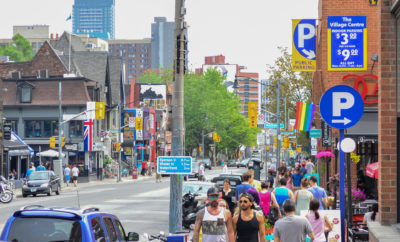
Toronto’s Latin Quarter is generally understood as the College Street West area around Little Italy, where Italian cafés, Caribbean restaurants, bars and independent shops create one of the city’s liveliest evening districts. It is not a formally marked neighbourhood, so salsa classes may sit just beyond its borders in downtown studios, community halls and dance clubs.
For visitors from Australia, the appeal is easy to understand: the area combines a lesson, a social dance floor and a late-night food stop within a compact part of the city. The atmosphere feels different from a Melbourne laneway venue or a Sydney Latin night, with Toronto’s multicultural scene bringing Cuban, Colombian, Dominican and broader Caribbean influences together.
Class prices are usually quoted in Canadian dollars and may attract Ontario’s 13% HST. Card payments are common, though Australian travellers should check foreign-exchange fees before booking a multi-week course. The most useful options are compared below.
| Option | Best for | Typical setting | What to expect |
|---|---|---|---|
| Lula Lounge | Dinner, live music and dancing | Restaurant and club | Lesson followed by a social night |
| Dovercourt House | Regular practice | Community dance venue | Group classes and open dancing |
| Steps Dance Studio | Structured learning | Professional studio | Progressive courses for several levels |
| Toronto Dance Salsa | Beginners and private coaching | Studio-based classes | Fundamentals, technique and tailored tuition |
| College Street venues | Casual nights out | Bars and neighbourhood spaces | Pop-up lessons, DJs and social dancing |
Start Around College Street West
The Latin Quarter works best as a starting point rather than a single address. Walk along College Street between Bathurst Street and Ossington Avenue, then check the current class location before travelling. Some instructors use nearby studios in the Annex, Queen Street West or the Entertainment District.
Lula Lounge, on Dundas Street West, is one of the city’s best-known destinations for Latin music, food and dancing. Its beginner-friendly lesson nights can make a smooth first experience because the class often leads directly into a social evening. It is worth checking the venue’s calendar, as themed nights and performance events can change the format.
Choose A Class That Matches Your Pace
A weekly beginner course suits anyone who wants clear progression in timing, basic footwork, turns and partner connection. Studios such as Steps Dance Studio and Toronto Dance Salsa are useful for learners who prefer a dedicated teaching environment, while community venues such as Dovercourt House can offer a relaxed route into regular practice.
Drop-in classes are better for travellers with a short Toronto stay. They allow you to test salsa before committing to a series, although the pace can vary when new dancers join each week. Ask whether the session teaches Cuban salsa, LA-style salsa, New York-style salsa or a broader social format, since the rhythm, styling and partner-work patterns differ.
Understand The Main Dance Styles
Cuban salsa, often called casino, uses circular partner movement and a lively, grounded feel. It is popular in social settings and can be especially enjoyable for dancers who like group formations such as rueda de casino. Cross-body-lead salsa, commonly associated with New York or Los Angeles styles, travels more directly across the dance floor and often emphasises turns and lines.
Many Toronto classes blend styles for social practicality. That is helpful for a first-timer, but a dancer with previous experience should ask about the syllabus before joining an intermediate level. A class labelled “Latin dance” may include bachata, merengue or cha-cha rather than focusing exclusively on salsa.
Know What Happens On The Night
Most beginner lessons begin with solo timing and footwork before moving into partnered exercises. Partners may rotate, which is normal and helps students learn to follow different body cues. You do not need to arrive with a partner, and comfortable shoes with a smooth sole are usually more useful than specialised dance footwear during the first class.
A social dance often continues after the teaching portion. Toronto dancers tend to welcome visitors, but basic floor etiquette matters: keep movements controlled in a crowded space, avoid forcing complicated patterns and thank your partner at the end of a song. For cultural context beyond the dance floor, 416 Mag’s guide to Caribbean Carnival offers useful insight into the region’s wider music and community traditions.
Plan Transport, Clothing And Costs
The TTC makes most central classes accessible by subway, streetcar or bus. Unlike Melbourne’s Myki system or Sydney’s Opal network, Toronto uses the PRESTO fare system, and contactless payment is also accepted on many services. Check the last connection after a late social, particularly in winter when snow and icy pavements can slow a walk between venues.
Wear light, breathable clothes with layers over the top. Toronto evenings can be humid in summer and sharply cold in winter, a bigger wardrobe shift than many visitors from Brisbane may expect. Pack indoor dance shoes if you have them, but clean trainers are generally acceptable for a trial lesson. A beginner session may cost less than a full night out, while packages and private lessons can quickly increase the total.
Turn One Lesson Into A Local Night Out
A salsa class becomes more memorable when paired with the neighbourhood around it. Start with an early booking, allow time for a casual meal on College Street, then stay for the music if the venue offers a social. Toronto’s late-night food culture makes it easy to finish with pizza, jerk chicken, gelato or a café stop rather than rushing straight back to accommodation.
Use these simple planning checks before booking:
- Confirm the style, level and start time on the venue’s current calendar.
- Check whether the price includes the social dance after the lesson.
- Bring photo identification if the venue operates as a licensed club.
- Allow extra travel time during winter storms or major downtown events.
For visitors extending their stay, a second cultural outing can round out the trip. The Distillery District market is a seasonal favourite, though it is separate from the Latin Quarter and best treated as another stop on the itinerary rather than a nearby class venue.
Keep these practical details in mind when selecting a session:
- Beginners can attend alone because partner rotation is common.
- Cuban salsa and cross-body-lead classes require different movement habits.
- Registration rules vary between studios, clubs and community halls.
- Comfortable shoes and a relaxed attitude matter more than experience.
The best place to learn salsa in Toronto depends on the evening you want: a structured course, a quick drop-in or a full night of music and food. Start near College Street West, check the current venue details and choose a class that matches your level. What you should remember is that Toronto’s Latin Quarter is less a single dance address than a connected neighbourhood experience built around rhythm, community and staying out for one more song.