Why Parkdale’s Secondhand Clothing Stores Are a Stylist’s Secret
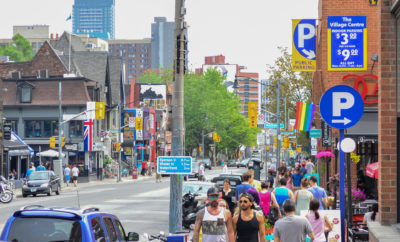
Parkdale has long attracted people who like their neighborhoods with some texture. Along Queen Street West, vintage boutiques, charity shops, independent retailers, cafés, and music venues create a shopping environment that rewards curiosity. For stylists, that unpredictability is precisely the appeal.
Secondhand clothing stores in this west-end Toronto neighborhood offer more than inexpensive wardrobe basics. They provide access to unusual fabrics, older silhouettes, discontinued labels, and one-off pieces that can give a look its point of view. A well-chosen thrifted jacket may do more for an outfit than an entire rack of new arrivals.
The best finds rarely announce themselves from the doorway. They emerge through patient browsing, a willingness to inspect unfamiliar sections, and an understanding of how to recognize quality beneath a little wear. Parkdale turns that process into a creative practice.
A Neighborhood Built For Discovery
Parkdale’s retail landscape feels layered rather than polished into uniformity. A row of vintage clothing stores can sit near a tailor, a record shop, a dollar store, or a restaurant with a loyal local following. That mix makes a shopping trip feel less like a targeted errand and more like a neighborhood wander.
For stylists, the setting matters because inspiration often arrives between appointments. A window display might suggest a new color combination, while an overlooked rack reveals a military overshirt, silk scarf, or handmade knit that changes the direction of a shoot. The surroundings encourage experimentation before a purchase is even made.
The area also rewards repeat visits. Stock changes quickly, and the piece missed on Tuesday may be replaced by something better the following week. Regular browsing builds familiarity with each store’s strengths, pricing habits, and restocking patterns.
The Value Of A Distinctive Wardrobe
Secondhand shopping helps stylists avoid the visual sameness created by fast-moving retail cycles. When everyone has access to the same seasonal collections, a vintage belt, unusual blazer, or deadstock blouse can provide immediate separation. The item may be subtle, but its history gives the outfit depth.
Quality is another reason professionals search Parkdale’s racks. Older garments were often made with sturdier denim, natural fibers, stronger buttons, and construction details that are harder to find at entry-level prices today. A stylist who knows what to inspect can find durable pieces without treating a large budget as a requirement.
The most useful purchases are often versatile rather than theatrical. A men’s wool coat can become oversized outerwear, a slip dress can work over a turtleneck, and a patterned shirt can be worn open as a lightweight jacket. Creative styling extends the value of every find.
How Stylists Read A Thrift Rack
A professional eye looks beyond size and first impression. The shoulder line, seam placement, fabric weight, lining, and fastening system reveal whether a garment can be altered or comfortably restyled. Small repairs are usually manageable; warped fabric, severe staining, and weakened elastic are harder to justify.
Color is equally important. Parkdale’s secondhand selection can be especially useful for building tonal outfits, since older collections often include shades that disappear from current retail palettes. Tobacco brown, faded navy, butter yellow, oxblood, and moss green can connect a look without making it feel overly coordinated.
Proportion provides another advantage. Vintage trousers may sit higher on the waist, jackets may have broader shoulders, and knitwear may offer a more generous shape. These changes can refresh familiar basics and help a stylist create silhouettes that feel current without relying on current-season branding.
| Find | What To Inspect | Styling Potential |
|---|---|---|
| Wool coat | Fiber content, lining, moth damage | Layer over denim, tailoring, or eveningwear |
| Silk blouse | Snags, underarm wear, care label | Wear tucked, loose, or open over a tank |
| Leather belt | Cracks, buckle stability, length | Define oversized coats and dresses |
| Vintage denim | Rise, seam strength, fading | Build relaxed everyday looks |
| Statement knit | Pilling, stretch, color integrity | Add texture to simple separates |
The Art Of Editing A Find
A secondhand purchase becomes valuable when it supports a clear wardrobe idea. Before buying, a stylist may consider whether the garment works with at least three existing pieces, whether it fills a genuine gap, and whether its condition suits the intended use. This quick edit prevents an exciting bargain from becoming unused clutter.
Alterations can also turn an almost-right garment into a signature piece. Shortening a hem, changing buttons, adjusting a sleeve, or adding a small repair may dramatically improve the fit. Local tailors and repair specialists are part of the same ecosystem, allowing a thrifted item to move from accidental find to considered wardrobe investment.
Accessories deserve close attention because they are easier to wear across seasons and body types. A sculptural brooch, narrow tie, woven bag, or pair of vintage sunglasses can shift the mood of a familiar outfit in seconds. These details are often where a stylist’s personal language becomes most visible.
From Parkdale Racks To Toronto Street Style
The neighborhood’s secondhand culture fits naturally into Toronto’s wider network of independent shopping districts. Someone exploring vintage stores in Parkdale may continue east for a different kind of retail experience, much as a city weekend can combine independent booksellers and clothing discoveries in the Annex’s cozy shops.
That movement between neighborhoods is part of the city’s creative energy. Parkdale offers an especially useful contrast between accessible everyday clothing and highly individual pieces. It can supply the practical foundation of an outfit while leaving room for discoveries elsewhere, from designer resale to local makers and market vendors.
The area’s food and nightlife also make the search feel social. A styling day can include coffee, a quick meal, and an evening event without becoming a rigid retail itinerary. Toronto’s local culture works best when shopping is connected to the streets, people, and places around it, including the city’s diverse food scenes such as Scarborough’s night market.
A Smarter Way To Shop Secondhand
Anyone can browse a thrift store, but a stylist shops with a purpose. These habits make the search more focused without removing the thrill of surprise:
- Carry a short list of missing wardrobe categories, such as outerwear, occasion pieces, or accessories.
- Check fabric labels, seams, hems, pockets, and linings before deciding on price.
- Try garments on with different proportions in mind rather than judging them on the hanger.
- Photograph promising finds and compare them with existing clothes before committing.
- Leave room for alteration costs when a piece has strong potential but an imperfect fit.
Patience remains the most valuable tool. The goal is not to leave with the largest bag, but to find pieces that add character, flexibility, and longevity to a wardrobe. That approach also supports a slower form of consumption, keeping wearable clothing in circulation and reducing dependence on disposable trends.
A visit to Parkdale’s secondhand stores can be treated as a source check, a styling exercise, or simply an enjoyable way to see Toronto from a different angle. Walk Queen Street West with time to browse, inspect the details, and follow the unexpected find. The next piece that defines your wardrobe may already be waiting on a crowded rack.