Why The Junction’s Vintage Scene Is a Treasure Hunter’s Dream
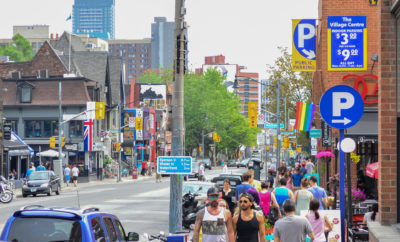
The Junction has a way of making an ordinary afternoon feel like a small urban expedition. Along Dundas Street West and the surrounding side streets, vintage clothing, antique furniture, collectible records, handmade goods, and curious bits of Toronto history appear in shop windows and market stalls.
This west-end neighbourhood rewards patience. A quick browse may turn up a 1970s leather jacket, a set of mid-century glasses, a framed print, or a piece of furniture with a story that never appears in a chain store. The pleasure comes from the search as much as the purchase.
For residents, the area offers a refreshing alternative to fast fashion and predictable retail. For visitors, it provides a distinctive view of Toronto style: creative, practical, slightly eccentric, and deeply connected to the city’s independent business culture.
A Neighbourhood Built For Browsing
The Junction’s compact, walkable character makes it ideal for a day of vintage hunting. A shopper can move between clothing boutiques, consignment spaces, antique dealers, cafés, record shops, and design-led stores without losing the sense of discovery that defines the neighbourhood.
The best finds are rarely limited to one category. A rack of retro denim may sit near old kitchenware, while a home décor shop reveals locally made ceramics beside salvaged objects. This mix encourages slower browsing and makes each block feel like part of a larger treasure map.
Seasonal sidewalk sales and neighbourhood events add another layer to the experience. Prices can vary widely, but the variety means that almost every budget can participate, whether the goal is a statement piece or a small memento.
The Appeal Of Toronto’s Retro Style
Vintage shopping in the Junction reflects several eras at once. Shoppers may find 1960s silhouettes, 1980s sportswear, Canadian workwear, costume jewellery, old band merchandise, and carefully selected contemporary pieces with a retro influence. The result is less like a museum display and more like a living wardrobe archive.
The area’s appeal also comes from the stories attached to objects. A worn varsity jacket suggests a former team, a stack of vinyl records recalls a particular home or radio station, and an old lamp can bring a new personality to a modern apartment. These items carry texture that mass-produced goods often lack.
Those seeking a wider look at the city’s secondhand culture can explore Toronto vintage markets, where rotating vendors expand the search beyond permanent storefronts. The Junction remains a strong starting point because its independent shops make browsing feel personal and local.
How To Plan A Successful Hunt
A successful vintage crawl benefits from a little preparation, though too much planning can remove the fun. Wear comfortable shoes, leave room in a tote bag, and set a flexible budget before the first purchase. Measuring a doorway or checking luggage space can prevent excitement from turning into a difficult furniture decision.
It also helps to inspect garments carefully. Look at seams, zippers, lining, stains, odours, and fabric wear. For furniture and home goods, check stability, repairs, and signs of water damage. A small flaw may be part of an item’s character, but it should still be reflected in the price.
| Find | What To Check | Why It Matters |
|---|---|---|
| Vintage clothing | Fabric, seams, labels, stains | Quality and repair costs vary |
| Furniture | Joinery, wobbling, odour, damage | Restoration can be expensive |
| Records | Sleeve condition and scratches | Playability may differ from appearance |
| Accessories | Clasps, stones, plating | Small defects affect durability |
| Décor | Cracks, wiring, maker marks | Safety and authenticity are important |
More Than Shopping
The Junction’s vintage scene is part of a broader cultural landscape. Murals, independent galleries, music venues, restaurants, and neighbourhood festivals give the area a strong creative identity. That context makes a day of shopping feel connected to the people and stories that shape Toronto’s west end.
Street art is especially important to the city’s visual character. Before or after browsing, visitors can learn about Graffiti Alley’s mural projects, a useful reminder that Toronto’s creative history is often displayed outdoors, in public spaces, and through community-led work.
A coffee break or casual meal also belongs in the itinerary. Pausing between shops creates time to compare purchases, map the next stop, and enjoy the neighbourhood rather than treating it as a checklist of stores.
What To Bring And Watch For
Vintage hunting is more enjoyable when shoppers arrive ready for practical decisions. A reusable bag protects fragile purchases, while a phone camera can help record maker marks, measurements, or an item that needs a second look. Cash may still be useful at smaller stalls, although payment options differ from vendor to vendor.
Keep an open mind about use and styling. A garment can become part of a modern outfit, an old frame can update a gallery wall, and a mismatched set of dishes can make a table feel more distinctive. The strongest purchases usually have both visual appeal and a realistic place in daily life.
Make The Day Feel Local
The Junction is at its best when visitors combine retail stops with the slower pleasures of neighbourhood exploration. Notice the storefronts, talk with shop owners, look for local makers, and allow time for an unexpected detour. The area’s character is found in the connections between businesses rather than in any single address.
For event listings, city culture, food coverage, and more neighbourhood stories, the 416 Mag city guide offers another way to keep up with Toronto’s changing local scene. It can help turn a casual vintage trip into a fuller day of discovering the city.
Plan a route through the Junction, carry a little patience, and leave space for one surprising find. Whether it is a rare jacket, a memorable record, or a piece of furniture with a past, the neighbourhood makes the hunt feel worthwhile long after the shopping bags are full.