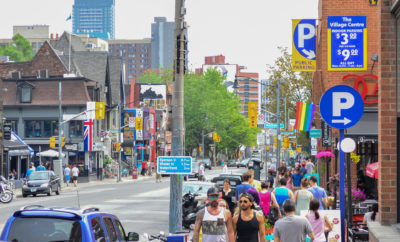
Why Toronto’s Ethnic Grocery Stores Are a Food Lover’s Paradise
Toronto’s ethnic grocery stores are much more than convenient places to buy ingredients. They are neighborhood landmarks, cultural meeting points, and gateways to cuisines from around the world. A single shopping trip can move from Korean pantry staples to Caribbean spices, East African coffee, South Asian sweets, or fresh pasta made in the Italian tradition.
Across the city, these markets reflect Toronto’s extraordinary diversity. They also make adventurous cooking accessible, whether you are searching for a hard-to-find chili, planning a family feast, or simply looking for a snack you have never tried before.
A global pantry within city limits
Toronto’s grocery scene is shaped by generations of immigration and an appetite for discovery. In areas such as Scarborough, North York, Etobicoke, Little India, and Kensington Market, specialty food shops stock products that rarely appear in conventional supermarkets.
A visit to Nations Experience, PAT Central Market, T&T Supermarket, Al Premium Food Mart, or one of the city’s many independent shops can reveal entire aisles devoted to specific culinary traditions. Japanese noodles, Polish pickles, Persian dried fruit, Mexican sauces, Filipino baked goods, and West Indian provisions all have a place in the city’s food culture.
These stores are useful for experienced cooks, yet they are equally welcoming to beginners. Labels, staff recommendations, recipe cards, and prepared foods provide an easy starting point for anyone who wants to explore a new cuisine.
More than shopping for ingredients
The appeal of Toronto’s multicultural markets comes from the atmosphere as much as the products. Many stores carry the sounds, aromas, and visual details of the communities they serve. A seafood counter may sit beside a bakery, a spice display, or a hot-food station serving lunch.
Prepared foods transform a grocery run into an informal dining experience. Customers might pick up samosas, jerk chicken, steamed buns, empanadas, sushi, bánh mì, or fresh injera before continuing through the aisles. These affordable meals offer a quick way to taste something unfamiliar without committing to a full restaurant visit.
Food lovers can also find ingredients in forms that encourage experimentation. Fresh herbs, unusual mushrooms, frozen dumplings, specialty cheeses, regional condiments, and house-made sauces invite shoppers to recreate restaurant favorites at home.
Neighborhood markets tell Toronto’s story
Ethnic grocery stores often serve as anchors for local business districts. Their presence supports nearby bakeries, restaurants, cafés, clothing shops, salons, and family-run services. Together, these businesses create neighborhoods with distinctive identities and strong community connections.
Kensington Market remains one of the clearest examples of this relationship. Its food shops, vintage retailers, produce stands, and independent restaurants reward slow exploration, especially when paired with a look at Kensington’s vintage shops. The market’s character comes from the way food, design, history, and street life overlap.
Elsewhere, grocery stores introduce visitors to Toronto’s many cultural corridors. A trip to a South Asian supermarket can lead to a favorite dosa restaurant; a stop at a Portuguese market might inspire a bakery visit; a Caribbean food shop can become the first step in discovering a new neighborhood festival.
Finding flavor beyond the usual aisles
Specialty grocery shopping rewards curiosity. Produce departments often feature tropical fruit, leafy greens, root vegetables, and herbs that are rarely stocked in standard supermarkets. Seafood counters may offer whole fish, dried seafood, or shellfish selected for particular regional recipes.
The freezer section deserves special attention. It can contain everything from handmade pierogies and Malaysian paratha to African leafy greens, Korean rice cakes, and Latin American dessert pastries. Frozen products are practical, affordable, and often excellent introductions to cooking traditions that require time-intensive preparation.
Spice aisles are another highlight. Sumac, berbere, gochugaru, ají amarillo, za’atar, Sichuan pepper, and dozens of curry blends can change the character of familiar dishes. Buying small quantities allows home cooks to test new flavors without making a major investment.
| What to explore | Where it helps | A good first purchase |
|---|---|---|
| Spices and sauces | Building flavor quickly | Gochujang, harissa, or za’atar |
| Fresh produce | Discovering regional ingredients | Bok choy, plantain, or cassava |
| Bakery counters | Trying ready-to-eat specialties | Mooncakes, baklava, or pandesal |
| Frozen foods | Cooking conveniently | Dumplings, samosas, or pierogies |
| Tea and coffee | Exploring daily rituals | Matcha, Turkish coffee, or Ethiopian beans |
A better way to shop local
Independent ethnic food stores are often deeply connected to their neighborhoods. Shopping there keeps money circulating locally and supports businesses that preserve culinary knowledge through products, recipes, and personal service.
The best visits are unhurried. Bring a list for essentials, then leave room for one unfamiliar item. Ask an employee how a product is traditionally prepared, check the package for cooking instructions, and compare different brands rather than choosing the most recognizable label.
It is also worth visiting during cultural holidays. Lunar New Year, Diwali, Eid, Nowruz, Christmas, and Caribbean celebrations bring seasonal specialties, decorated sweets, fresh baked goods, and ingredients that may be difficult to find at other times of year.
Turning a grocery trip into a food adventure
Toronto’s grocery stores can become the starting point for a full day of culinary exploration. Begin with breakfast at a neighborhood café, browse a specialty market, and use the ingredients you discover to plan dinner. This approach makes the city feel larger and more connected, with each stop revealing another layer of its food culture.
Food trucks add another dimension to the experience, bringing regional recipes and inventive combinations into public spaces. The city’s mobile food scene shows how food trucks are redefining local cuisine, while grocery stores provide the ingredients and cultural context behind many of those flavors.
Smart habits for your next visit
- Shop with an open mind and choose one ingredient you have never used.
- Visit seafood, bakery, spice, and frozen sections before heading to the checkout.
- Ask staff for simple preparation ideas or trusted brand recommendations.
- Bring reusable bags and enough time to explore neighboring businesses.
- Follow local food festivals and holiday calendars for seasonal discoveries.
Toronto’s ethnic grocery stores make global food culture part of everyday city life. They offer affordable access to new flavors, support vibrant neighborhoods, and turn an ordinary errand into a chance to learn, taste, and connect. Pick a neighborhood, visit a market, and let your next meal begin in the aisles.