Pedal the Don Valley Ravines: Toronto's Hidden Urban Trail System
A 20-minute ride from the downtown core drops you into one of the largest urban park systems in North America, where the Don River has carved deep ravines through clay banks, birch stands, and granite outcrops. Cyclists from Melbourne might compare the scale to the Capital City Trail looping around their inner suburbs, though Toronto's ravines feel older and wilder.
For Sydneysiders used to hugging the harbour foreshore on two wheels, the Don offers a different kind of green ribbon, one that winds inland through valleys and back along the river rather than around a coastline. Riders from Brisbane will recognise the gentle gradient near the mouth, which flattens out before the climbs begin at the Forks of the Don.
The trail network links conservation areas, pedestrian bridges, and former rail corridors, making it possible to spend a full day without touching a road. Riders comfortable with mixed surfaces and the occasional muddy stretch will get the most out of the experience, especially in shoulder seasons when the foliage turns.
Navigating the Main Loop
The most popular ride runs from the Evergreen Brickworks south along the Lower Don Trail, crosses over at the Chester Springs footbridge, and returns via the river-side path through East York. It covers roughly 18 kilometres of compacted gravel and asphalt, with a few pinch points where cyclists share space with joggers and dog walkers.
Sydney cyclists familiar with the coastal stretch from Bondi to Coogee will appreciate the comparable elevation changes here, especially around the Sunnybrook and Milne Hollow sections. The climbs are short but punchy, particularly after rain when the clay turns slick.
For anyone planning a longer day, the West Don Lands connect southward to the lakefront Martin Goodman Trail, which runs along Lake Ontario and stretches past the Outer Harbour. From there it's possible to loop back through Corktown and the Distillery District, where historic brick warehouses now house galleries, distilleries, and weekend markets.
Trailheads Worth Knowing
Three entry points are particularly useful for visitors. The Evergreen Brickworks sits at the north end, with paid parking, a café, restrooms, and a bike rental counter that stocks hybrids and e-bikes. Cummer Avenue is the mid-route access, ideal for riders who want a shorter out-and-back without committing to the full loop.
The southernmost entry, near the mouth of the Don River, puts cyclists directly on the West Don Lands boardwalk, which has been planted with native grasses and pollinator gardens since the 2015 Pan Am Games. Riders from Melbourne who know the Yarra Trail heads at Fairfield or Dights Falls will find the same sort of informal launch points here, often with bike racks tucked under a shady tree.
Each trailhead connects to residential streets with bike lanes, making it easy to plan a one-way ride and grab transit home. The TTC's 506 Carlton route and the 72 Pape bus both have front-mounted bike racks for shuttling back to a starting point.
Refuelling Stops Along the Way
The Don ravines don't have concession stands, so plan to eat before or after the ride. Around the Brickworks, the Sunday Farmers' Market draws crowds for Ontario peaches, Mennonite baked goods, and locally roasted beans that rival anything you'll find at a St Kilda espresso bar. Riders with a hankering for broader Canadian flavours can detour into Greektown along the Danforth, or browse Toronto's ethnic grocery stores for picnic supplies.
For post-ride dinners, the Leslieville strip a few minutes south of the lower trailhead is full of brunch spots, ramen counters, and wood-fired pizza joints. Beer lovers tend to gather at one of the nearby brewpubs for a flat white and a flight of pales, a combination that appeals strongly to anyone who grew up in Brunswick or Fitzroy.
Plan to refuel off the trail entirely, since the ravines are deliberately kept free of commercial concessions to protect the natural habitat. The closest reliable food is a ten-minute ride in any direction.
Wildlife, Weather, and Seasonal Riding
The ravines support a surprising range of wildlife for such a dense urban setting. Coyotes are common after dusk, and cyclists occasionally flush herons, hawks, and the occasional beaver from the quieter stretches of the river. Australians accustomed to swooping magpies along Brisbane's river paths will relate to the need to keep a lookout for territorial birds during nesting season.
Spring brings thick mud and slippery roots, particularly along the singletrack sections near the Beltline. Summer is the most popular time, though temperatures climb above 30 degrees Celsius in July, so carrying two water bottles is essential. Autumn is widely considered the best riding window, with cool mornings, low humidity, and a canopy of red and gold that mirrors the colours of an Adelaide Hills vineyard in March.
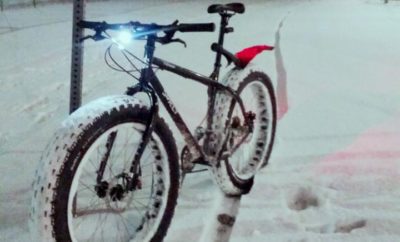
Winter riding is possible on compacted snow, though studded tires make a real difference on icy descents. Short daylight hours push most riders to weekend mornings, when the trails are quieter and the frost has firmed up the surface. For those wanting to warm up afterwards, rooftop bars with DJs sit a short cab ride from the ravine's northern entry.
Practical Riding Tips for Visitors
A few small habits make the difference between a great day on the Don and a frustrating one. Visitors used to cycling along Melbourne's Capital City Trail will already know the basics, but the ravine's mixed surfaces and limited signage reward a bit of extra preparation.
- Rent a hybrid or gravel bike at the Brickworks rather than a road bike, since several sections are loose gravel or hard-packed dirt.
- Carry a lock, lights, and a small repair kit; bike shops exist in the ravine's shadow but not within them.
- Start early if you want to ride mid-week, since weekends bring heavy pedestrian traffic near the southern entry.
- Buy a day pass for the TTC if you plan a one-way route; buses and streetcars accept bikes at no extra charge.
- Layer up in spring and autumn, since ravine temperatures can run five degrees cooler than the open city.
- Pack out any rubbish, as bins are scarce and volunteer-run trail groups prefer a pack-it-in, pack-it-out approach.
After your ride, give the bike a quick rinse at the Brickworks wash station if you've rented locally; the clay soils cling to drivetrains and quickly wear chains. The 416 Mag homepage lists current trail closures and event listings worth checking before you head out.
A solid plan that respects the terrain keeps the Don Valley ride memorable for the right reasons: cool shade, river views, and the rare pleasure of crossing an entire city away from traffic. Bring water, layer for the weather, and start early enough to enjoy the ravines before the city rushes back in.