A Guide To Toronto’s Hidden Speakeasies And Prohibition-Era Bars
Toronto’s nightlife has always had a taste for secrecy. From tucked-away cocktail rooms to unmarked doors behind cafés and shops, the city offers plenty of places where the entrance feels like part of the evening. Some venues recreate the mood of a 1920s drinking den, while others simply borrow the discretion, low lighting, and sense of discovery associated with speakeasies.
The history behind the theme is real, although Toronto’s version of Prohibition was different from the bootlegger mythology popularized by American films. Ontario’s provincial liquor ban lasted from 1916 to 1927, and drinking continued through private clubs, hotel rooms, illicit suppliers, and social networks that operated beyond public view.
Today’s hidden bars are legal, licensed businesses. Their appeal comes from atmosphere: a concealed staircase, a password-style booking experience, a back-room lounge, or a cocktail list that rewards curiosity. Knowing what kind of venue you are visiting makes it easier to plan a memorable night across the city.
The History Behind Toronto’s Hidden Drinking Culture
Ontario’s temperance movement shaped public attitudes toward alcohol long before the province’s prohibition years. When licensed sales were restricted, people did not stop socializing. Instead, drinking moved into private spaces, clubs, and informal gatherings, creating an enduring connection between secrecy and nightlife.
Toronto never developed exactly the same underground scene as Chicago or New York, yet the city had its own network of bootlegging and discreet hospitality. Hotels, waterfront routes, and neighborhood taverns all played a role in moving alcohol and hosting drinkers. Modern bars draw on that history without pretending to be forbidden establishments.
Where The Hidden-Bar Experience Begins
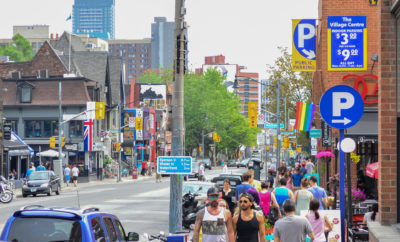
Kensington Market is a natural starting point for a night of atmospheric drinking. Cold Tea, located within the market’s indoor shopping lanes, has long been associated with an unpolished, hard-to-find character. Its setting encourages visitors to explore the surrounding stalls, murals, and side streets before settling in with a drink.
The neighborhood’s visual culture adds to the feeling of discovery. Before heading inside, spend time with West End street art, where painted walls and alleyway installations offer a distinctly Toronto prelude to the evening. Kensington works best when treated as a walkable cultural circuit rather than a single bar stop.
Downtown Rooms With A Discreet Mood
The Cloak Bar, associated with Marben in the Entertainment District, helped establish Toronto’s modern hidden-cocktail-bar trend. Its basement setting, intimate seating, and focus on carefully made drinks created a polished interpretation of the speakeasy format. Check current operating details before going, since hidden venues can change hours, access arrangements, or ownership more often than conventional pubs.
Around Queen West and Ossington, the secret-bar idea is often more playful than historical. The Gift Shop became known for placing a cocktail lounge behind an everyday storefront, turning the entrance into a small piece of theater. These venues are best approached with flexibility: the “secret” may be a concealed door, a coded booking instruction, or simply an address that is easy to overlook.
Cocktail Bars That Favor Discovery
Some of Toronto’s best low-key drinking rooms do not use a literal hidden entrance. Civil Liberties on Bloor Street West, for example, is known for bartender-led cocktails and a relaxed, unpretentious room rather than a fixed menu of signature drinks. It captures the intimate spirit of a private bar while keeping the focus on conversation and technique.
Project Gigglewater in Little Italy offers another style of vintage-inspired nightlife, with theatrical drinks, rich interiors, and a menu that leans into classic cocktail culture. It is less of a secret location than a destination with a strong period mood. That distinction matters: a prohibition-era aesthetic can mean art deco design, old-fashioned spirits, or tableside presentation without reproducing a historical speakeasy.
| Venue Style | What To Expect | Best For |
|---|---|---|
| Hidden entrance | A shopfront, alley, stairway, or unmarked door | A sense of adventure |
| Vintage cocktail lounge | Classic drinks, dark interiors, polished service | Date nights and celebrations |
| Neighborhood cocktail bar | Creative menus and a relaxed local crowd | Casual drinks with quality ingredients |
| Market-based venue | Food stalls, art, and nightlife in one area | A flexible evening itinerary |
How To Dress And Move Through The Scene
Most Toronto speakeasy-inspired bars do not require 1920s costumes. Smart casual clothing is a reliable choice, particularly for intimate rooms where the atmosphere feels more refined than a sports bar. Comfortable shoes are useful because several destinations involve walking between neighborhoods or standing while waiting for entry.
Local style is part of the experience. Toronto’s bar scene rewards personal expression more than strict dress codes, and the city’s nightlife overlaps with independent design, music, and art. For a broader look at the people shaping that aesthetic, explore Toronto’s emerging designers before planning an evening that moves from a gallery or boutique into a cocktail room.
Planning A Smooth Night Out
A hidden entrance does not always mean walk-ins are welcome. Some bars require reservations, especially on Friday and Saturday nights, while others operate with limited seating or change their access instructions periodically. Confirm the address, opening hours, age policy, and reservation rules through the venue’s current channels before leaving home.
Public transit makes neighborhood-hopping practical. Group destinations by area rather than attempting to cross the city between every drink, and use licensed taxis or rideshare services if the night involves alcohol. A strong itinerary might begin with dinner in Kensington Market, continue through Queen West, and finish with one carefully chosen cocktail instead of a rushed bar crawl.
Keep these practical points in mind:
- Check whether the venue accepts walk-ins or requires advance reservations.
- Save the exact address and entrance instructions before arriving.
- Bring government-issued photo identification.
- Plan food and water between drinks, especially when ordering spirit-forward cocktails.
- Respect photography rules and keep voices low in compact lounge spaces.
Toronto’s hidden bars are most rewarding when the secrecy remains part of the atmosphere rather than a source of confusion. Explore the neighborhood around each venue, pay attention to design and service, and let the evening unfold at a comfortable pace. Pick one district, make a reservation where needed, and discover the city’s quieter side one well-made drink at a time.