Toronto’s Circular Style Movement Is Changing How We Dress
Toronto’s fashion scene is becoming more thoughtful about what happens after a garment leaves the store. Across neighbourhoods, residents are buying secondhand, repairing worn favourites, trading clothing with friends, and choosing local designers who work with deadstock or reclaimed materials.
This shift is visible at vintage markets, community clothing swaps, repair workshops, and pop-up events hosted by independent boutiques, student groups, and environmental organizations. For shoppers, sustainable style is becoming less about following a strict set of rules and more about extending the life of what already exists.
Why Circular Fashion Matters In Toronto
The city’s dense neighbourhoods make clothing reuse especially practical. A jacket can move from a closet in Parkdale to a vintage rack in Kensington Market, while a community swap in the east end can keep dozens of pieces in circulation without requiring a new purchase.
Fast fashion creates pressure through low prices and rapid trend cycles, but Toronto’s resale economy offers a different rhythm. Consignment stores, thrift shops, vintage sellers, and online wardrobe exchanges encourage shoppers to assess quality, fabric, fit, and longevity before reaching for something new.
Sustainable fashion also connects with the city’s wider interest in local food, design, and cultural identity. Readers exploring Little Portugal pastries can pair that neighbourhood visit with nearby independent shops and vintage stops, turning a simple outing into a more deliberate local experience.
The Initiatives Giving Clothes A Longer Life
Fashion Takes Action, a Toronto-based nonprofit, has helped bring circular design into public conversation through education, research, industry events, and programs that encourage brands to rethink materials and production. Its work reflects a wider movement toward clothing made for durability, repair, resale, and eventual recycling.
Local designers are contributing in practical ways. Some produce limited collections from deadstock fabric, while others reconstruct old garments into new silhouettes. Small-batch production can reduce excess inventory, and transparent sourcing gives customers more information about how their clothing was made.
Repair is another important part of the movement. Mending cafés, sewing circles, and alteration studios make it easier to replace a zipper, patch denim, adjust a hem, or reinforce a favourite bag. These services preserve the personal value of clothing while reducing the need to discard an otherwise useful item.
Swap Events Turn Shopping Into Community
Clothing swaps are among the most accessible sustainable fashion events in the city. Guests typically bring clean, gently used items and exchange them for pieces supplied by other attendees. The best events set clear standards for condition, use tokens or tickets to keep the process organized, and donate leftovers to a local charity or textile recovery program.
The social element is as important as the environmental benefit. Swaps create a relaxed setting where people can discuss styling, learn about fabrics, and discover independent makers. They also make experimentation less expensive: a bold jacket or unusual print becomes easier to try when it enters the wardrobe through exchange rather than a full-price purchase.
Toronto’s event calendar changes frequently, so venues range from community centres and campuses to cafés, markets, and boutique spaces. Following neighbourhood organizations, sustainability groups, and local fashion collectives is often the best way to find seasonal exchanges.
| Approach | Best For | Main Benefit | What To Check |
|---|---|---|---|
| Clothing swap | Refreshing a wardrobe affordably | Keeps garments in local circulation | Accepted sizes, condition rules, leftover donations |
| Vintage shopping | Finding distinctive pieces | Supports resale and reuse | Fabric quality, repairs, laundering |
| Repair workshop | Saving damaged favourites | Extends garment life | Tools, skill level, registration |
| Deadstock design | Buying something new more carefully | Uses existing materials | Brand sourcing and production quantities |
| Consignment | Selling quality clothing | Gives items a second owner | Commission, intake dates, payout terms |
Where Sustainable Style Meets Toronto Culture
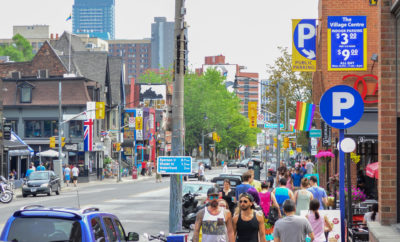
A neighbourhood fashion outing works best when it includes more than shopping. Kensington Market remains a natural destination for vintage browsing, while Queen West, Parkdale, the Junction, and the east end offer independent retailers, resale stores, and creative studios with distinct local character.
Food and fashion often overlap at markets and community events. A day spent discovering plant-based dining can easily include a stop at a resale shop or a maker pop-up. These combinations reflect Toronto’s broader lifestyle culture, where ethical choices are connected to neighbourhood businesses, cultural gatherings, and everyday city exploration.
For event listings, neighbourhood coverage, and local style stories, 416 Mag offers a useful starting point for planning a weekend around the city’s independent scene. Sustainable fashion feels more approachable when it is tied to places people already visit and communities they already know.
How To Shop With Less Waste
A sustainable wardrobe does not require replacing everything with certified products. The most effective first step is usually to wear existing clothes more often. Checking what is already in the closet, organizing seasonal pieces, and learning basic care can prevent unnecessary purchases.
When buying secondhand, shoppers should look for sturdy construction, natural or recycled fibres where appropriate, and garments that work with several existing outfits. A slightly higher-quality used item may provide greater value than several inexpensive trend pieces that quickly lose their shape.
New purchases can still fit a lower-waste approach. Choosing timeless cuts, buying fewer items, supporting transparent brands, and asking about repair or take-back programs all help shift spending toward longer product life.
Practical Ways To Join The Movement
Toronto’s circular fashion community welcomes beginners, whether they arrive with a bag of clothes for a swap or simply want to learn how to sew on a button. These small actions can build confidence before someone commits to larger changes in shopping habits.
- Visit a local clothing swap with clean, wearable pieces and realistic expectations.
- Repair a damaged garment before replacing it, using a tailor, workshop, or beginner sewing class.
- Explore consignment and vintage stores before purchasing new seasonal clothing.
- Follow Toronto sustainability groups and neighbourhood organizations for pop-up event dates.
- Donate responsibly by checking each organization’s current needs and acceptance policies.
The strongest sustainable fashion habits are practical, social, and repeatable. A repaired pair of jeans, a shared coat, or a carefully chosen vintage find can carry more meaning than a short-lived trend.
Toronto’s swap events and circular fashion initiatives offer a chance to make style more personal while keeping useful materials in motion. Visit a local exchange, support a repair service, or explore a new resale neighbourhood this season, and follow 416 Mag for more city-focused culture, shopping, and community coverage.