A fresh way to taste Toronto’s food hall scene
Toronto’s food halls have become destinations in their own right, bringing together chefs, independent vendors, global flavors, and lively public spaces under one roof. They offer the energy of a market with the convenience of a shared dining room, making it easy to turn a quick meal into an afternoon across the city.
What makes these venues especially interesting is their variety. Some are polished culinary showcases, while others occupy restored industrial buildings or community-minded marketplaces. Many also host pop-ups, music, retail, and cultural programming, creating a more flexible experience than a traditional restaurant.
For visitors and locals, the city’s most innovative food halls provide an accessible way to sample Toronto’s diversity. A single visit can move from handmade pasta to Caribbean comfort food, Korean-inspired dishes, craft beer, and inventive desserts without requiring a long journey between neighborhoods.
Yorkville brings global dining under one roof
Eataly Toronto in Yorkville is among the city’s most recognizable food hall experiences. Designed as a combination of marketplace, restaurant collection, and culinary classroom, it gives guests several ways to engage with Italian food. Visitors can sit down for a full meal, browse specialty groceries, or choose something casual from a counter.
Its appeal comes from the sense of discovery. Shelves of imported ingredients, fresh pasta, cheeses, pastries, and wine make the space feel like a working food emporium rather than a conventional mall dining area. It is particularly well suited to people who enjoy seeing the ingredients and traditions behind a cuisine.
Chef’s Hall keeps the downtown lunch hour lively
Assembly Chef’s Hall brings a collection of local food concepts into the Financial District, where office workers, residents, and visitors share a spacious communal setting. The format allows diners to choose from different vendors while sitting together, which makes group meals easier when everyone wants something different.
The venue also reflects Toronto’s appetite for chef-driven casual dining. Menus can shift, new vendors can appear, and familiar dishes often receive a contemporary treatment. Its central location makes it a convenient stop before a show, during a downtown exploration, or after visiting nearby attractions.
The Well expands the food hall beyond eating
Wellington Market at The Well represents a newer generation of Toronto food halls built into a mixed-use urban district. Food and drink are part of a broader environment that includes retail, offices, public gathering areas, and events. That setting encourages people to linger rather than simply pick up lunch and leave.
The market’s design supports flexible visits. One person might order coffee and work for an hour, while another group shares several dishes before continuing through King West. This blend of dining and public space reflects how Toronto’s best food destinations increasingly function as neighborhood meeting places.
Historic buildings give food halls a distinctive character
Waterworks Food Hall occupies a restored heritage building near Queen Street West, giving its dining experience a strong architectural identity. The setting adds a sense of place that newer developments often have to create through design. Exposed details, open seating, and a collection of vendors make the venue feel connected to the area’s industrial past.
Its location also makes it a useful starting point for exploring nearby neighborhoods. After eating, visitors can walk toward Chinatown, Kensington Market, or the downtown core. That connection between food, architecture, and street life is part of what makes Toronto’s culinary culture so engaging.
| Food hall | Area | Best suited to | Standout quality |
|---|---|---|---|
| Eataly Toronto | Yorkville | Italian food lovers and browsers | Marketplace, restaurants, and specialty groceries |
| Assembly Chef’s Hall | Financial District | Mixed groups and downtown diners | Multiple chef-led counters in one space |
| Wellington Market | The Well | Casual meals and social visits | Food, retail, and public programming |
| Waterworks Food Hall | Queen Street West | Architecture and neighborhood exploration | Heritage setting with varied vendors |
| STACKT Market | Bathurst and Front | Outdoor eating and events | Flexible shipping-container marketplace |
Independent vendors keep the scene changing
The appeal of a modern food hall depends on more than its building. Independent vendors bring personality, regional traditions, and experimentation to the experience. At STACKT Market, food is part of a larger creative setting shaped by temporary installations, events, and small businesses. Its adaptable format suits Toronto’s culture of pop-ups and emerging culinary projects.
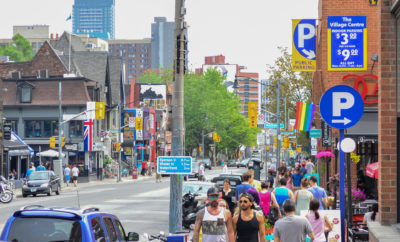
That emphasis on local energy can also be seen in neighborhoods such as Parkdale, where restaurants, artists, musicians, and community organizers contribute to a constantly evolving identity. The Parkdale community story offers useful context for understanding how food fits into a wider cultural ecosystem.
Food halls benefit from this same sense of movement. A vendor may test a new idea, build a following, and eventually open a standalone location. For diners, that creates the possibility of finding something fresh without needing to plan around a formal restaurant reservation.
How to choose the right food hall
Each venue offers a different rhythm, so the best choice depends on the kind of outing being planned. A quick weekday meal calls for easy access and efficient service, while a weekend visit may be better suited to a market with events, shopping, or outdoor seating.
Look for these qualities when deciding where to go:
- Choose Eataly for a focused Italian food experience with groceries and sit-down options.
- Visit Assembly Chef’s Hall when a group wants variety in a central downtown location.
- Pick Wellington Market for a modern, mixed-use setting with room to linger.
- Explore Waterworks when food and architecture are equally important.
- Head to STACKT Market for a more informal, creative, and event-oriented atmosphere.
Timing can shape the experience as much as the venue. Weekday lunch periods are often busiest, while late afternoons may offer a more relaxed visit. Checking vendor hours and event schedules before leaving is worthwhile, especially because food hall lineups can change more quickly than those of traditional restaurants.
Toronto’s food halls succeed because they reflect the city itself: diverse, experimental, social, and always in motion. They make it possible to sample different cuisines, discover emerging vendors, and experience neighborhoods through food without committing to a single style of dining.
Plan a route around one or two venues, bring friends with different tastes, and leave room for an unexpected stop. For more local dining ideas, cultural coverage, and city guides, keep exploring 416 Mag as you plan your next Toronto outing.