How Toronto’s Little Portugal Celebrates Its Festivals Year-Round
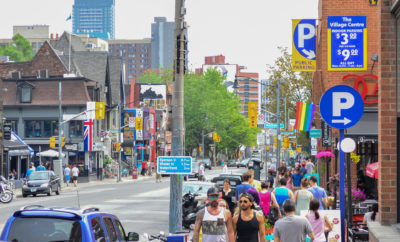
Toronto’s Little Portugal is a neighborhood where celebration is woven into everyday life. Along Dundas Street West, Portuguese bakeries, family restaurants, cafés, bars, churches, and independent shops create a setting where a festival can feel both like a major city event and a familiar gathering among neighbors.
The area’s cultural calendar follows the seasons, blending Portuguese traditions with Toronto’s street-festival energy. Music, food, religious observances, dance, local art, and outdoor markets all find a place here, often spilling from storefronts onto sidewalks and public spaces.
For a broader look at the city’s neighborhoods, events, and local personalities, 416 Mag guide offers an easy way to keep up with Toronto’s changing community scene. Little Portugal rewards visitors who arrive with time to wander rather than treating the area as a single-stop destination.
A Community Shaped By Celebration
Little Portugal’s festival identity comes from several generations of Portuguese Canadians who established homes, businesses, social clubs, and religious institutions in the west end. Their influence remains visible in the language heard on Dundas, the tiled façades, the grocery counters filled with imported goods, and the restaurants serving grilled fish, bifanas, caldo verde, and custard tarts.
Celebrations often have a strong neighborhood character. A procession may pass a café where regulars know one another by name, while a street party can bring together longtime residents, newer arrivals, artists, students, and visitors from across the Greater Toronto Area.
Spring Brings Outdoor Energy
As the weather improves, Little Portugal begins moving outdoors. Patios reopen, storefronts refresh their displays, and community groups start promoting markets, workshops, concerts, and neighborhood programming. Spring is also a good time to explore Dundas West before the busiest summer crowds arrive.
Street festivals in and around the district typically combine live music with food vendors, local retail, family activities, and art installations. The atmosphere is casual and highly walkable: visitors can browse a market, stop for a snack, and continue toward Trinity Bellwoods Park or Ossington Avenue without needing a car.
Spring outings can also connect Little Portugal to Toronto’s wider active-living culture. Visitors planning to continue toward the lake can follow this waterfront rollerblading route after spending the afternoon in the neighborhood.
Summer Turns Dundas Into A Stage
Summer is the most visible festival season, with Portuguese cultural celebrations taking center stage. Portugal Day festivities generally feature flags, traditional music, folk dancing, parade elements, community organizations, and plenty of food. Exact routes and schedules can change, so checking local announcements before visiting is worthwhile.
The neighborhood’s Portuguese heritage is especially easy to experience through its food. Grilled sardines, roasted meats, bifanas, sweet pastries, and strong coffee create a sensory link between a Toronto afternoon and the traditions of Portugal. Restaurants and bakeries may offer special menus or extended hours around major celebrations.
| Festival Season | Typical Neighborhood Experience | Best Way To Enjoy It |
|---|---|---|
| Spring | Markets, patios, art, and community events | Walk Dundas West and browse independent shops |
| Summer | Portugal Day programming, music, dancing, and street gatherings | Arrive early and plan time for food stops |
| Autumn | Cultural events, harvest flavors, and local nightlife | Combine dinner with live music or gallery visits |
| Winter | Religious observances, holiday displays, and cozy cafés | Explore at a slower pace and support local businesses |
Autumn Connects Food And Culture
Autumn brings a more relaxed rhythm, but the cultural calendar remains active. Cooler evenings make the neighborhood’s restaurants and cafés especially inviting, while seasonal menus highlight soups, roasted meats, seafood, pastries, and wines associated with Portuguese cooking.
This is also an appealing season for cultural exploration. Small galleries, creative studios, music venues, and independent retailers contribute to the area’s identity, giving visitors alternatives to large-scale festivals. A neighborhood walk can include a coffee stop, a browse through a specialty grocer, and a meal at a family-run restaurant.
Local programming may shift from outdoor street gatherings to indoor concerts, community fundraisers, exhibitions, and social events. These occasions reflect how Little Portugal celebrates beyond official festival dates: through repeated encounters, shared meals, and the steady support of local organizations.
Winter Keeps Traditions Close
Winter celebrations tend to be warmer and more intimate. Holiday lights, seasonal window displays, church activities, and Portuguese pastries bring a festive feeling to Dundas West even when the sidewalks are covered in snow. Bakeries become natural gathering points for coffee, pão de Deus, bolo de arroz, and other treats.
Religious traditions remain important for many families, especially around Christmas and feast days connected to local parishes. Visitors should be respectful of worship spaces and check whether an event is open to the public, since some observances are intended primarily for congregations and community members.
A winter visit is best approached slowly. Choose a few destinations instead of trying to cover every block, make reservations for popular restaurants, and leave room for an unplanned stop. The season reveals the neighborhood’s quieter side, where hospitality often matters more than spectacle.
Ways To Experience The Festivals
A successful festival day in Little Portugal depends on curiosity and flexibility. Crowds, road closures, temporary vendor locations, and changing event schedules are common, particularly during major summer celebrations. Public transit is usually the simplest option, and comfortable shoes make it easier to move between Dundas West, Ossington, College Street, and nearby parks.
Keep these practical ideas in mind:
- Check the local BIA, community, and festival social channels for current dates and street-closure information.
- Arrive early for parades, outdoor concerts, and popular food events to find a comfortable viewing spot.
- Carry a reusable water bottle and some payment flexibility for small vendors and independent businesses.
- Try one traditional Portuguese dish alongside a newer Toronto-style interpretation.
- Extend the visit by exploring nearby shops, galleries, cafés, and public spaces after the main event.
The best way to understand the neighborhood is to return in different seasons. Summer may offer the biggest crowds, but spring markets, autumn dinners, and winter traditions reveal equally important parts of Little Portugal’s character.
Plan a seasonal visit, support the local businesses that keep the district vibrant, and follow 416 Mag for more Toronto neighborhood guides, event coverage, and city stories.