Inside Toronto’s Annual Pride Parade: Routes, Viewing Spots, and Events
Toronto’s Pride season turns the downtown core into a moving celebration of LGBTQ2S+ life, history, art, and community. The annual parade is the headline event, but the experience begins well before the first float arrives and continues through parties, performances, markets, exhibitions, and neighborhood gatherings.
For residents, it is a familiar summer tradition with new details each year. For visitors, it offers a lively way to understand Toronto through its streets, public spaces, independent venues, and community organizations. Planning ahead makes it easier to enjoy the atmosphere without missing the moments that matter most.
Parade routes, road closures, accessibility arrangements, and event schedules can change from one edition to the next. Check Pride Toronto’s current map and schedule before leaving, then use the guide below to shape a flexible day around the main procession.
Reading the parade route
The Toronto Pride Parade traditionally moves through the downtown core along Yonge Street before continuing through nearby east-side streets. The exact starting point, direction, staging zones, and finishing area may vary, so the official route map should be treated as the final authority.
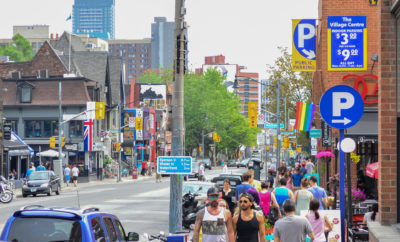
Yonge Street is usually the most recognizable stretch, with spectators lining the sidewalks and businesses joining the celebration. Areas near Bloor-Yonge and the southern part of the route can become especially busy. A few blocks away, side streets may offer a less compressed view while still keeping you close to the music, banners, and marching groups.
Arrive early if you want a front-row position. The crowd often builds well before the parade begins, and transit entrances near the route may have temporary closures or restricted access. Walking from a station farther from the busiest intersection can save time.
Finding a comfortable viewing spot
Families and visitors who prefer a broad view should look for wider sidewalks near the beginning or middle of the route. These areas can make it easier to see large groups, decorated vehicles, and the full scale of the procession. Standing near a corner also gives you a better angle as participants turn.
For a quieter experience, choose a location several blocks away from the central gathering points. You may see fewer spectators there, and it can be easier to move between the parade route and nearby cafés, patios, or public facilities. Keep all entrances, curb cuts, fire lanes, and business doorways clear.
Accessibility should be part of the plan from the start. Confirm designated viewing areas, accessible washrooms, transit updates, and drop-off rules in the current event information. A small portable stool, water bottle, sunscreen, and a charged phone can make several hours outdoors much easier.
Timing the day around the parade
The parade is one part of a larger Pride weekend, and the best schedule depends on whether you want a high-energy street celebration or time for cultural programming. Some events begin in the morning, while others continue into the evening across different neighborhoods.
| Experience | Best timing | What to expect |
|---|---|---|
| Prime parade viewing | Arrive 60–90 minutes early | Dense crowds and limited movement |
| Flexible street viewing | Arrive 30–45 minutes early | Good atmosphere with easier repositioning |
| Family-friendly programming | Morning or early afternoon | Crafts, community activities, and performances |
| Nightlife and parties | Evening | DJ sets, dancing, and ticketed events |
| Cultural programming | Throughout the day | Talks, exhibitions, film, and live performance |
Build in extra travel time between activities. A journey that normally takes fifteen minutes may take much longer when streets are closed and sidewalks are full. Walking, cycling, and public transit are often more practical than driving, but service changes should be checked before departure.
Events beyond the procession
Pride programming extends across Toronto with concerts, drag performances, dance parties, film screenings, art installations, panel discussions, and community fairs. Some activities are free and drop-in, while others require registration or advance tickets. Read event descriptions closely for age restrictions, capacity rules, and venue accessibility.
The Village remains a natural base for exploring Pride-related activity, with Church Street businesses often offering themed menus, sidewalk energy, and evening entertainment. Other neighborhoods may host smaller events that highlight local organizations and communities. For ideas beyond the parade corridor, browse Toronto city events for local culture, food, and entertainment coverage.
A good itinerary leaves room for discovery. A community market, pop-up gallery, or live performance can become the most memorable part of the day, especially when the main route feels crowded. Look for events that foreground queer artists, vendors, organizers, and fundraisers rather than treating Pride as a single photo opportunity.
Food, rest stops, and local discoveries
Downtown restaurants, cafés, patios, and food vendors can fill quickly during the parade. Make a reservation where possible, or plan an earlier meal before the largest crowds arrive. Carrying a small snack is useful if you are moving between viewing spots and programmed events.
Pride weekend is also a chance to explore Toronto’s social spaces. A relaxed stop at one of the city’s board-game cafés can provide shade, seating, and a different kind of community atmosphere; this café scene guide offers useful inspiration for extending the day beyond the street celebration.
Be mindful of venue policies and public behavior. Ask before photographing people, especially children, volunteers, and anyone wearing identifying work or community-group materials. Celebration and privacy can coexist when spectators focus on consent and respect.
Keeping the celebration welcoming
Pride is joyful, but it also carries a history of protest, advocacy, loss, and ongoing work. Marching groups may represent health organizations, housing campaigns, trans rights initiatives, labor groups, youth services, faith communities, and grassroots collectives. Taking time to read their signs and learn about their causes adds depth to the spectacle.
Street performers and independent artists also help shape the atmosphere around major events. Toronto’s busking culture brings music and performance into public spaces throughout the year, and this story on Toronto buskers offers context for the artists who keep the city’s sidewalks lively.
Respect the people doing the work behind the scenes. Follow volunteer directions, dispose of waste properly, avoid blocking the parade formation area, and contribute to performers when you stop to watch. These simple actions help preserve the welcoming character of the celebration.
Practical choices for a smoother day
A little preparation allows more attention for the parade, performances, and people around you.
- Check the official route, start time, road closures, and accessibility updates on the morning of the event.
- Use public transit or walk from a less crowded station, and expect delays near downtown.
- Bring water, sunscreen, weather-appropriate clothing, portable phone power, and a small bag.
- Select one primary viewing location and one backup spot before the crowds become dense.
- Support queer-owned businesses, community vendors, performers, and local organizations when you can.
Toronto’s Pride Parade is easiest to enjoy as part of a full city day: arrive with a plan, leave space for unexpected moments, and move through the route with consideration for the people who live, work, march, and perform there. Check the latest schedule, choose your viewing area, and explore the surrounding events through 416 Mag’s local coverage.