The East End Taco Trail Toronto Locals Keep Quiet
Toronto’s east end rewards travellers who leave the obvious food districts behind. Along Danforth Avenue, Gerrard Street East, Leslieville and the stretch towards Scarborough, small taquerias serve smoky meats, bright salsas and handmade tortillas without much fuss. Some sit inside compact restaurants, while others share space with bakeries, bars or neighbourhood grocers.
For Australian visitors, the geography can feel familiar and strange at once. Toronto’s east end is easy to explore by streetcar and subway, but distances expand quickly, especially compared with a walk between inner-city venues in Melbourne or Sydney. Plan around TTC travel time, carry a light jacket for changing weather and remember that “spicy” can mean very different things from one kitchen to the next.
The best taco crawl is less about collecting famous names than noticing where locals return after work, after a concert or after a Saturday market. These are the places where a simple order of three tacos becomes a window into the city’s migration stories, produce networks and late-night habits.
Start Along Danforth Avenue
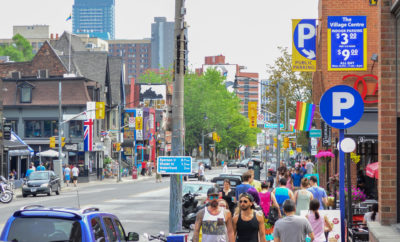
Danforth Avenue is the natural first stop because it connects several food cultures within a manageable stretch. Mexican restaurants sit among Greek institutions, cafés, bakeries and casual bars, creating a food walk with more range than a single cuisine suggests. Tacos here tend to be practical and generous: soft corn tortillas, well-seasoned fillings and salsa served with enough confidence to stand on its own.
Look for tacos al pastor shaved from a vertical spit, carne asada with charred edges and vegetarian fillings built around mushrooms, beans or roasted vegetables. A taqueria that keeps its menu focused often has stronger turnover and fresher toppings than a large restaurant trying to cover every Mexican classic.
Follow the Side Streets in Leslieville
Leslieville offers a more polished version of the east-end taco stop. Its restaurants often pair Mexican flavours with Toronto’s local dining habits, so you may find craft beer, natural wine, brunch-style service or a compact patio beside a serious tortilla programme. The cooking can be inventive, but the best dishes still respect balance: fat, acid, heat and texture in every bite.
This part of the city also rewards an early evening visit. A table may be easier to find before the dinner rush, and the neighbourhood’s independent shops make the walk worthwhile between courses. Visitors used to Melbourne laneways or Sydney’s small-bar culture will recognise the pleasure of moving between close-set venues, although Toronto’s colder months make indoor stops especially valuable.
Order Like a Regular
The fastest way to spot a serious taco counter is to watch what happens at the register. Locals usually order a small spread rather than one loaded plate: one meat taco, one vegetable option and one special, if available. That approach reveals whether the kitchen can handle different textures and seasoning styles.
Useful phrases include “corn tortilla,” “extra salsa” and “no cilantro” if the herb is not your preference. Ask which filling has just come off the grill, and listen for the answer rather than choosing from habit. A good server will often point towards the day’s best option, particularly when a slow-braised filling or seasonal vegetable is running out.
Small Counters Worth the Detour
The east end has plenty of modest venues where the room is secondary to the food. Some have only a handful of seats, while others operate from food halls or takeaway counters. Their low profile is part of the appeal: regulars arrive for a quick meal, not a staged dining experience.
Keep an eye out for places serving tacos de lengua, birria, suadero or cochinita pibil alongside more familiar chicken and steak. Availability can change by day, so flexibility matters. A counter that sells out of one speciality before dinner may be a sign of popularity rather than poor planning.
A useful shortlist for a first visit includes:
- Al pastor with pineapple, onion and coriander
- Birria tacos with a cup of consommé
- Charred cactus or mushroom tacos for a meat-free contrast
- Fresh corn tortillas with house salsa
- A Mexican soft drink or horchata to cool the palate
The Produce Behind the Salsa
Tacos depend on the ingredients surrounding the main filling. Toronto’s summer farmers’ markets bring local tomatoes, peppers, onions and herbs into neighbourhood kitchens, while winter forces restaurants to rely on careful storage, imports and preserved flavours. That seasonal shift gives the same taqueria a slightly different character across the year.
The connection between food and local growing is easy to miss when eating at a counter. For a closer look at Toronto’s grassroots cultivation, read about community gardens along the railpath, where urban growers turn overlooked spaces into productive green corridors. It adds useful context to the fresh salsa and herbs appearing on east-end plates.
Australian travellers will recognise the market rhythm from Brisbane’s weekend stalls or Adelaide’s produce culture, though Toronto’s growing season is shorter and more dramatic. A July taco topped with ripe local tomato tastes like a different city from one served in February, when pickles, dried chillies and slow-cooked meats carry more of the meal.
Build a Longer East-End Food Crawl
A taco outing becomes more interesting when it includes one or two stops outside the immediate neighbourhood. Toronto’s food map changes quickly, and a trip towards Scarborough can reveal family-run kitchens shaped by several immigrant communities. It is worth leaving room for a second meal rather than filling up at the first counter.
For broader context, a Finch and Don Mills food crawl shows how the city’s dining culture extends well beyond the areas most visitors photograph. The same lesson applies to tacos: the most rewarding food often sits away from the established tourist circuit, near apartment towers, transit exchanges and busy local shopping strips.
Pack comfortable shoes and allow extra time for transfers. Toronto’s transit network is dependable but sprawling, and a journey that looks short on a map can involve a streetcar, subway and bus. Unlike a quick inner-city food hop in Sydney, the route itself becomes part of the experience.
Eat With the Neighbourhood
The strongest taco joints feel connected to their surroundings. They employ local staff, buy from nearby suppliers when possible and become informal meeting points for students, families, shift workers and artists. The room may be plain, but the regulars create its atmosphere.
Community life also extends beyond food. Toronto community centres run accessible activities across the city, including the free fitness classes that bring residents together outside restaurant hours. Seeing that broader network helps explain why a small taqueria can become part of a neighbourhood’s daily routine rather than simply another place to eat.
Start your east-end trail at the nearest Danforth Avenue taqueria, order three different tacos, and note the next stop recommended by the person behind the counter.