The revival of Midtown’s Yonge-Eglinton dining corridor
Yonge-Eglinton has long been one of Toronto’s most recognizable crossroads, shaped by office towers, apartment buildings, transit connections, and a steady flow of residents. In recent years, its food scene has become a destination in its own right, drawing diners beyond the familiar chains and quick weekday lunches.
The corridor now offers a layered mix of independent restaurants, bakeries, cocktail bars, cafés, takeout counters, and global kitchens. Construction and redevelopment have changed the streetscape, yet the neighborhood’s appetite for local gathering places remains strong.
For city discoveries, neighborhood profiles, and culture coverage across Toronto, 416 Mag provides a useful guide to the people and places shaping the city. Midtown’s restaurant revival fits naturally into that broader story of urban change.
Why the corridor feels different
The Yonge-Eglinton area has become busier and more residential as new condo developments have joined established mid-rise buildings. That growth has created a larger audience for restaurants that serve different purposes throughout the day: coffee before work, a relaxed lunch, an early family dinner, or drinks after a show.
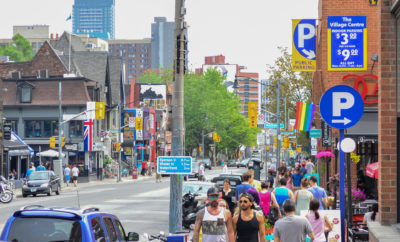
The intersection itself can feel hectic, especially around transit entrances and major construction zones. A block or two away, however, the pace changes. Side streets and smaller storefronts reveal intimate dining rooms, neighborhood bakeries, and casual restaurants where regulars recognize the staff.
A dining mix built for staying awhile
Midtown’s appeal comes from variety rather than one dominant culinary identity. Visitors can move from Japanese comfort food to Italian pasta, Korean barbecue, contemporary Canadian plates, Indian street food, or a carefully made pastry without leaving the broader Yonge-Eglinton area.
Cafés have also become important anchors. They provide places to work, meet friends, and spend time between errands, while newer wine bars and lounge-style restaurants extend the evening economy. This creates a corridor that feels active beyond traditional dinner hours.
How the neighborhood is changing
Redevelopment has brought wider sidewalks in some areas, modern retail spaces, and a growing population within walking distance. It has also raised familiar concerns about rising rents, construction fatigue, and the pressure placed on independent businesses. The strongest restaurants are adapting by building loyal communities rather than relying only on passing traffic.
That community connection is visible in the way local establishments host pop-ups, tasting events, live music, and collaborations with nearby makers. Midtown’s food culture increasingly overlaps with its arts and nightlife scenes, reflecting the same neighborhood energy explored in coverage of Parkdale arts scene.
What to order and when to go
A successful visit depends on matching the restaurant style to the time of day. Weekday mornings suit bakeries and cafés, while lunch is ideal for quick counter service or a lighter meal. Dinner reservations are useful at popular independent restaurants, especially from Thursday through Saturday.
| Dining mood | Best time | What to look for |
|---|---|---|
| Quick weekday stop | Morning or lunch | Coffee, pastries, sandwiches, and bowls |
| Casual catch-up | Late afternoon | Cafés, bakeries, and relaxed bar seating |
| Special dinner | Thursday to Saturday evening | Reservations, shared plates, and tasting menus |
| Family-friendly outing | Early evening | Broad menus, comfortable seating, and easy transit access |
| Late-night bite | Friday or Saturday | Bars, dessert counters, and kitchens with extended hours |
The corridor rewards a flexible itinerary. Start with a coffee near Yonge Street, browse local shops, then choose dinner based on the atmosphere rather than trying to cover too much ground. Reservations, transit updates, and weather are worth checking before heading out.
Small businesses give it character
Independent operators bring personality to a district that could otherwise feel dominated by large developments. A restaurant with a short menu, a pastry counter run by a small team, or a bar focused on local producers can give visitors a stronger sense of place than a standardized dining room.
These businesses also create repeat rituals. Residents return for a familiar breakfast, a favorite server, or a seasonal dish that disappears after a few weeks. That familiarity makes Midtown feel like a neighborhood rather than simply a busy intersection.
Make your next Midtown food walk count
A little planning can help diners support local businesses and experience more of the corridor’s changing character.
- Choose one independent restaurant for a full meal and one smaller local business for coffee or dessert.
- Visit outside peak dinner hours to enjoy a quieter table and give staff more room to welcome guests.
- Check menus, reservations, accessibility details, and transit conditions before leaving home.
- Explore one side street instead of staying entirely on the main avenue.
- Share a recent favorite with friends, coworkers, or local community groups to keep neighborhood dining connected.
The Yonge-Eglinton corridor is still evolving, but its strongest feature is already clear: food gives people a reason to slow down and spend time in Midtown. Plan an outing, try a place you have passed before, and follow the neighborhood’s next chapter through local reporting and city culture coverage.