Toronto’s Best Ramen Shops in the West End for Late-Night Cravings
Toronto’s west side is at its most appealing after dark, when noodle bars fill with students, shift workers, concertgoers and locals looking for something warmer than takeaway pizza. From Bloor Street West through Little Italy, Kensington Market, Queen West and Parkdale, ramen shops offer a satisfying late-night meal without the formality of a full-service restaurant.
For Australian visitors, the rhythm may feel familiar. Like Melbourne’s Chinatown or Sydney’s Haymarket, Toronto’s best casual eateries often stay lively well after dinner. The difference is that closing times can vary sharply by night, and Toronto’s winter cold makes a steaming bowl of broth especially welcome after a walk, gig or hockey game.
The city’s west-end ramen scene covers rich tonkotsu, spicy miso, chicken paitan, shoyu and vegetarian bowls. Restaurants also tend to offer gyoza, karaage and Japanese-style cocktails or beer, making them useful places to settle in rather than simply grab a quick meal.
West End After Dark
The most convenient cluster begins around Bloor Street West, where ramen restaurants sit close to the subway and the busy student-and-nightlife corridor between Bathurst and Christie stations. This area works well for a late meal after exploring Koreatown, catching a film or meeting friends near the Annex.
Further south, College Street, Queen West and the streets around Kensington Market bring a more eclectic atmosphere. These neighbourhoods are packed with bars, independent shops, live music venues and dessert spots, so ramen can become the centrepiece of an evening or the final stop before heading home.
Late-night dining in Toronto is rarely as predictable as it is in some parts of Melbourne. Kitchens may stop serving before the advertised closing time, particularly on Sunday or Monday, and holiday hours can change. Check the restaurant’s current schedule before crossing town, especially if your visit depends on a final bowl after midnight.
Broth Styles Worth Seeking
Tonkotsu remains the classic choice for a rich, pork-based broth with springy noodles, bamboo shoots, green onion and slices of chashu. It is filling and deeply savoury, ideal after a cold evening outside. Ask about spice levels if you prefer heat with your pork broth rather than a heavier flavour.
Miso ramen delivers a rounder, more robust taste, often with corn, bean sprouts, butter or minced meat. Shoyu is lighter and soy-forward, while shio broth is usually cleaner and more delicate. Chicken paitan offers creaminess without pork, and vegetarian bowls can feature sesame, mushroom or vegetable stock.
Most shops let you customise noodle firmness, oil and spice. Australians accustomed to ordering laksa, pho or spicy Sichuan noodles will find plenty of room to adjust intensity. A soft-boiled egg, extra noodles or additional chashu can turn a modest bowl into a substantial post-gig meal.
Reliable Late-Night Stops
Several west-end ramen names are dependable starting points, although opening times should be checked on the day.
- Kinton Ramen: A lively choice around the Bloor and College corridors, known for pork and chicken ramen with customisable spice, richness and noodle texture.
- Sansotei Ramen: Popular for hearty bowls, including tonkotsu and spicy options, with locations that are convenient for west-side nightlife and subway trips.
- Ramen Isshin: A strong pick near College Street, particularly for diners who enjoy bold broths, generous toppings and a relaxed neighbourhood setting.
- Tondou Ramen: A College Street option suited to casual dinners, with classic bowls and sides that work well for groups.
These restaurants attract a mix of regulars and first-time visitors, so queues are possible during Friday and Saturday dinner periods. For the smoothest experience, arrive outside the main 7–9 pm window or be prepared to wait with a drink nearby.
Pair The Bowl With The Neighbourhood
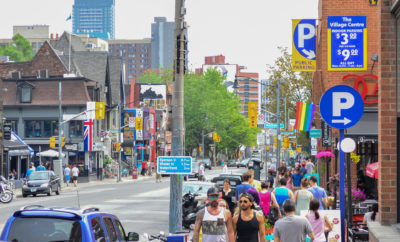
A ramen crawl is easy to combine with Toronto’s west-end culture. Start with independent boutiques and bars along Queen West, move through Kensington Market for snacks and music, then finish with noodles near Bloor. If your evening falls during Pride season, the city’s parade routes and viewing areas can make travel times longer; this guide to Pride events and routes is useful for planning around the crowds.
Little Italy offers a different mood, with patios, cafés and late bars along College Street. Parkdale is further west and more spread out, but its restaurants and small venues reward a slower evening. A ramen dinner can fit neatly between neighbourhood stops instead of requiring a special cross-town journey.
For visitors from Australia, remember that Toronto’s restaurant bill usually includes 13% HST, with a customary tip added afterwards. A listed bowl price is therefore not the final amount. Credit and debit cards are widely accepted, and splitting a bill is common, though smaller venues may prefer one transaction for a large group.
Walking, Transit And Winter Timing
The subway is the easiest way to reach many west-end ramen shops, but service hours matter. On Friday and Saturday nights, trains generally run later than on weeknights, while overnight travel may require a replacement bus or streetcar. Check the TTC schedule if you are dining close to closing time.
Streetcars and buses can be slower than expected when snow, roadworks or event traffic affects Queen, College or Dundas streets. Toronto’s winter wind is also sharper than many Australian visitors anticipate, so a short walk between a bar and noodle shop can feel considerably longer in January. For a daytime pairing before dinner, browse Toronto fall-colour hikes for routes that connect city exploring with a warm meal later.
In warmer months, walking between neighbourhoods is more enjoyable, though distances still look shorter on a map than they feel in practice. Save your energy for the meal, particularly if you plan to continue to a late bar or music venue after eating.
How To Order A Better Bowl
A good late-night order balances the broth with texture and a few sides. The most useful combinations are filling without becoming unnecessarily heavy.
- Classic comfort: Tonkotsu ramen, a seasoned egg and gyoza.
- Spicy recovery meal: Miso ramen with extra chilli, bean sprouts and karaage.
- Lighter option: Shio or shoyu ramen with greens, mushrooms and a side of edamame.
- Group order: Share gyoza and karaage, then let each diner choose a different broth style.
Vegetarians should confirm whether the broth contains pork, fish or chicken, since toppings and soup bases can differ. Those avoiding gluten should also ask about noodle ingredients and soy sauce. Ramen shops vary in how much they can customise, so clear requests are best made before the order is placed.
For a practical local guide to neighbourhood restaurants, events and city culture, 416 Mag’s Toronto guide is a useful companion before heading out. It can help place a ramen stop within a broader evening of food, entertainment and community happenings.
The best late-night bowl is usually the one that fits the night: a rich tonkotsu after a snowy walk, spicy miso after a concert, or a lighter shoyu before the final streetcar home. Toronto’s west end rewards flexible planning, curiosity and a quick check of kitchen hours. Remember that the neighbourhood, the broth and the timing all matter as much as the restaurant name.