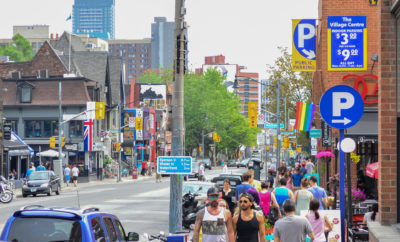
Why Little Italy Remains Toronto’s Italian Food Heart
Toronto’s Little Italy continues to draw diners who want more than a familiar plate of pasta. Along College Street and the surrounding side streets, Italian cuisine is connected to family history, neighborhood businesses, café culture, and the everyday rhythm of the city. The area feels lived-in rather than staged, which is part of its lasting appeal.
Why Little Italy Is Still a Hub for Authentic Italian Cuisine comes down to continuity. Restaurants, bakeries, bars, and specialty shops have adapted to new generations while preserving techniques and flavors brought to Toronto by Italian immigrants. That balance keeps the neighborhood relevant without erasing its roots.
A visit here can be as simple as an espresso and pastry or as involved as a long dinner built around regional dishes. It is also a useful starting point for exploring Toronto’s wider food culture, where Italian traditions meet local ingredients, contemporary cooking, and other established communities.
The Flavours That Keep People Coming Back
Authenticity in Little Italy is rarely about one strict menu or a single regional style. Southern Italian influences are especially visible, with dishes shaped by Calabria, Campania, Sicily, and other parts of the south. Tomato sauces, grilled meats, seafood, olives, bitter greens, and handmade pasta appear in forms that feel familiar while still reflecting each kitchen’s personality.
Classic comfort food remains central to the neighborhood’s appeal. A well-made plate of cacio e pepe, eggplant parmigiana, or bucatini all’Amatriciana can be satisfying because the ingredients are treated with restraint. Good olive oil, aged cheese, properly cooked pasta, and a sauce with enough time behind it often matter more than elaborate presentation.
Little Italy’s bakeries and cafés add another layer to the experience. Guests may find biscotti, cornetti, bomboloni, gelato, or savory panini beside strong coffee and quick conversation. These small rituals make the cuisine part of daily life instead of something reserved for special occasions.
A Neighborhood Shaped By Generations
The neighborhood’s food identity is closely tied to the families who built businesses here. Some restaurants have operated for decades, while newer owners bring updated interiors, natural wine lists, vegetarian options, and contemporary plating. The strongest establishments tend to respect the past without treating it as a museum piece.
That intergenerational quality is easy to notice during a walk. A family may be picking up prepared food for dinner, students may be sharing pizza, and longtime residents may be greeting staff by name. These overlapping routines give Little Italy a sense of community that cannot be created through branding alone.
Its location also strengthens the area’s role as a food destination. Visitors can move from College Street to nearby streets and discover independent grocers, dessert counters, cocktail bars, and international restaurants. A stop for Portuguese sweets in the west end can complement an Italian meal, especially for travelers following Toronto’s connected neighborhood foodways through this Portuguese pastry guide.
Tradition Meets Toronto’s Changing Dining Scene
Little Italy has evolved alongside Toronto. Diners now expect more plant-based dishes, regional specificity, local sourcing, and thoughtful beverage programs. Italian restaurants in the area have responded with seasonal menus, gluten-free pasta, inventive antipasti, and cocktails that sit comfortably beside classic wine service.
This does not make the food less authentic. Italian cooking has always changed according to geography, availability, and household preference. A Toronto kitchen using Ontario vegetables or Canadian seafood can still work within Italian culinary traditions when it respects technique, balance, and the purpose of each ingredient.
| What diners seek | What Little Italy offers |
|---|---|
| Handmade comfort food | Fresh pasta, pizza, gnocchi, and baked dishes |
| Regional character | Southern Italian flavors alongside modern interpretations |
| Casual daytime stops | Espresso bars, bakeries, gelato, and panini |
| A social evening | Wine, cocktails, patios, and lively dining rooms |
| Local discovery | Independent shops and nearby cultural destinations |
The result is a neighborhood where a traditional trattoria and a newer Italian-inspired restaurant can exist within the same food ecosystem. Each appeals to a different mood, yet both contribute to the area’s reputation.
Beyond The Main Restaurant Strip
Little Italy is best understood as a district rather than a single row of dining rooms. Side streets reveal quieter cafés, specialty food shops, and small businesses that reward a slower pace. Browsing a deli counter or picking up imported olive oil can be just as memorable as sitting down for dinner.
The neighborhood also benefits from its cultural surroundings. Music venues, cinemas, independent retailers, and community events bring different audiences to College Street throughout the year. Readers looking for a relaxed pairing of culture and café time can explore Toronto’s independent bookstores, several of which fit naturally into a west-end afternoon itinerary.
This mix keeps Little Italy from becoming dependent on dining alone. Food is the anchor, but the surrounding experiences encourage visitors to stay longer, return often, and see the neighborhood as part of Toronto’s broader cultural life.
How To Experience The Food Well
A successful visit usually leaves room for spontaneity. Choose one destination meal, then allow time for a coffee, pastry, or casual snack. Sharing several dishes can reveal more of a menu than ordering one large entrée, particularly when a restaurant offers antipasti, seasonal vegetables, and house-made pasta.
Timing can shape the experience. Weekday afternoons are often calmer for café visits and browsing, while evenings bring louder dining rooms and a stronger social energy. Summer patios add another dimension, but indoor spaces can offer a closer look at the neighborhood’s longstanding character.
Smart Ways To Build Your Visit
- Start with coffee and a pastry before choosing a dinner reservation.
- Look for menus that identify regional influences or house-made specialties.
- Share antipasti and pasta so the meal includes several textures and flavors.
- Walk beyond College Street to find delis, bakeries, and quieter local businesses.
- Pair the food stop with music, books, film, or a nearby community event.
Why The Neighborhood Still Matters
Little Italy remains important because it makes culinary heritage visible in ordinary moments. The aroma of bread from a bakery, a crowded family restaurant, and a carefully pulled espresso all show how immigrant traditions become part of a city’s shared identity. The neighborhood’s Italian character is preserved through use, not nostalgia alone.
Its future will depend on welcoming new cooks, residents, and ideas while protecting the independent businesses that give the area its texture. For current event coverage, local stories, and more city discoveries, visit 416 Mag before planning your next Toronto outing.
Take an afternoon to wander, choose a meal that reflects the neighborhood’s history, and leave time for one unexpected stop. That is how Little Italy continues to turn authentic Italian cuisine into a living Toronto experience.